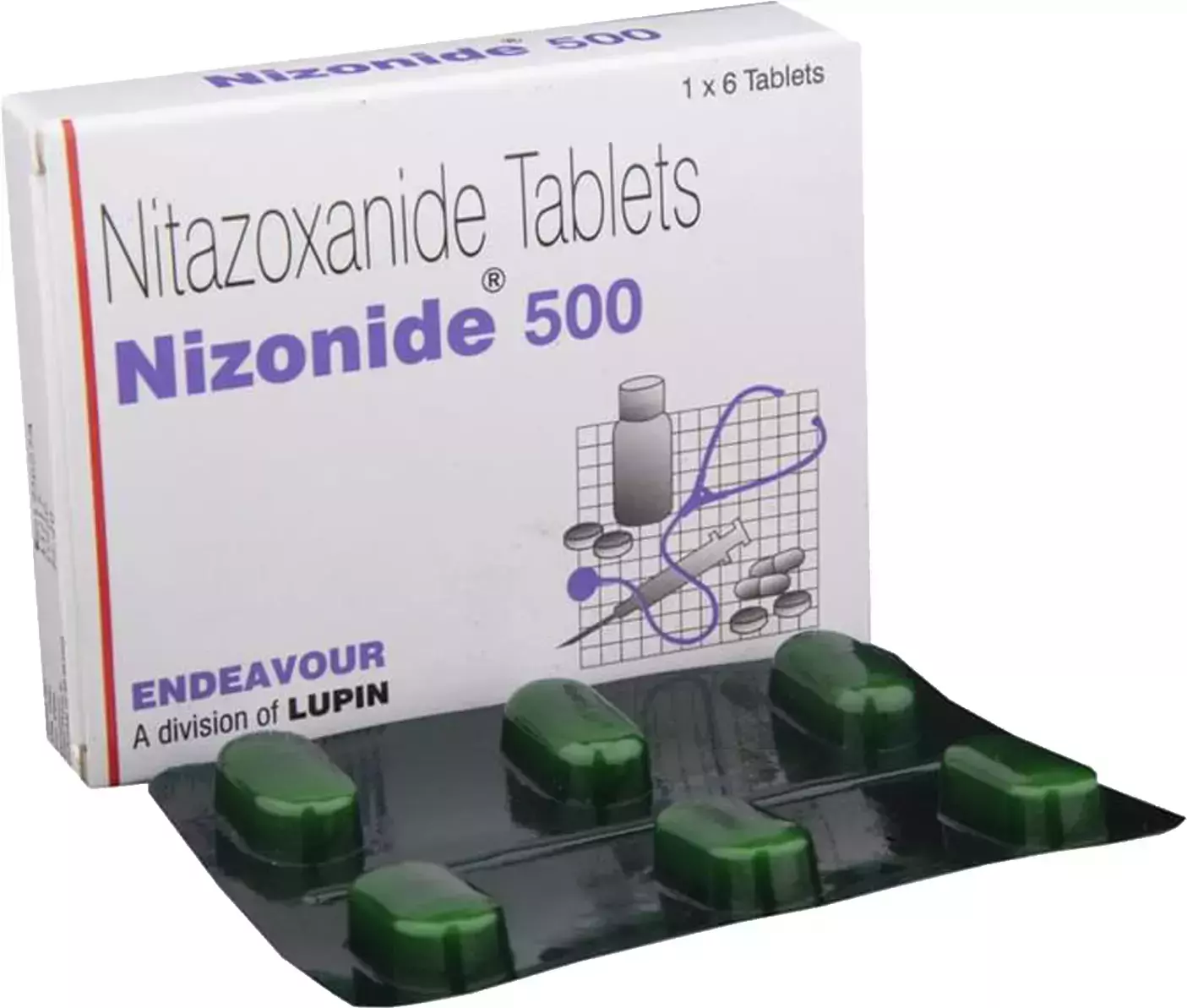
How Nizonide 500 Helps Manage Diarrheal Infections
Diarrheal infections are among the most common gastrointestinal problems worldwide, affecting both children and adults. While many cases are mild and resolve on their own, some are caused by specific parasites or microorganisms that require targeted medical treatment.
When diarrhea is linked to protozoal or certain worm-related infections, doctors may prescribe Nizonide 500, an antiparasitic and antiprotozoal medication.
It is widely used for managing infectious diarrhea when the cause is identified or strongly suspected to be parasitic in nature.
Understanding how Nizonide 500 works, when it is used, and what precautions to follow can help patients use it safely and effectively as part of a complete diarrheal disease management plan.
What Is Nizonide 500?
Nizonide 500 is a tablet formulation that contains nitazoxanide 500 mg as its active ingredient. Nitazoxanide is known for its broad antiprotozoal and antiparasitic activity.
Unlike general anti-diarrheal drugs that only slow bowel movement, Nizonide 500 targets the underlying infectious organisms responsible for certain types of diarrhea.
It is typically prescribed when diarrhea is caused by organisms such as:
- Giardia lamblia
- Cryptosporidium parvum
- Certain intestinal parasites
- Some anaerobic microorganisms
Because not all diarrhea is caused by parasites, this medicine is used selectively after medical evaluation.
Causes of Infectious Diarrhea
Diarrhea can result from multiple causes, including:
- Viral infections
- Bacterial infections
- Parasitic or protozoal infections
- Contaminated food or water
- Poor sanitation
- Travel-related exposure
Parasitic diarrhea often lasts longer than simple viral diarrhea and may include symptoms such as prolonged loose stools, stomach cramps, bloating, nausea, fatigue, and sometimes weight loss. In these cases, targeted therapy like Nizonide 500 can be especially helpful.
How Nizonide 500 Works
Nizonide 500 works differently from standard anti-diarrheal medicines. Instead of only reducing symptoms, it acts directly against the infection.
Blocking Parasite Energy Production
Nitazoxanide interferes with key enzyme-dependent energy pathways inside susceptible parasites and protozoa. Specifically, it blocks metabolic reactions that organisms need to generate energy.
When these energy systems are disrupted:
- Parasite metabolism fails
- Growth and reproduction stop
- The organism dies off
This reduces the infectious load in the intestines and allows the digestive system to recover.
Broad Antiprotozoal Action
Nitazoxanide has activity against multiple protozoa, which makes Nizonide 500 useful when lab confirmation is pending but parasitic diarrhea is strongly suspected based on symptoms and exposure history.
When Doctors Prescribe Nizonide 500
Doctors may prescribe Nizonide 500 when patients present with:
- Persistent diarrhea lasting more than a few days
- Travel-associated diarrhea
- Suspected protozoal infection
- Confirmed giardiasis or cryptosporidiosis
- Diarrhea with parasite evidence in stool tests
It is not typically the first choice for simple viral diarrhea, which usually resolves with hydration and supportive care.
Benefits of Diarrheal Disease Management
Treats the Root Cause
Unlike symptom-only treatments, Nizonide 500 targets the organism causing the diarrhea, which can shorten illness duration.
Reduces Infection Spread
By lowering parasite load, treatment can reduce the chance of spreading infection to others — especially important in households and community settings.
Useful in Resistant Cases
Some parasitic diarrheal infections do not respond well to routine antibiotics. Nitazoxanide offers an alternative mechanism.
Generally Short Treatment Course
Many treatment regimens are only a few days long, improving adherence.
What to Expect During Treatment
Most patients begin to see improvement in:
- Stool frequency
- Stool consistency
- Abdominal discomfort
- Bloating
within a few days of starting therapy. However, it is important to complete the full prescribed course even if symptoms improve early, to ensure complete eradication of the organism.
Hydration should be maintained throughout treatment.
Importance of Hydration Alongside Treatment
While Nizonide 500 treats the infection, fluid replacement remains critical. Diarrhea can quickly lead to dehydration, especially in children and older adults.
Helpful measures include:
- Oral rehydration solutions
- Clean water intake
- Electrolyte fluids
- Light, easy-to-digest foods
Medication plus hydration provides the best recovery support.
Possible Side Effects
Nizonide 500 is generally well tolerated, but some people may experience mild side effects such as:
- Nausea
- Stomach pain
- Headache
- Vomiting
- Temporary change in urine color
- Mild diarrhea during early treatment
These effects are usually short-lived. Severe reactions are rare but should be reported to a doctor.
Precautions and Safety Considerations
Use Only When Prescribed
Not all diarrhea needs antiparasitic treatment. Unnecessary use provides no benefit and may cause side effects.
Inform Your Doctor About Conditions
Tell your doctor if you have:
- Liver problems
- Kidney disease
- Immune system disorders
- Pregnancy or breastfeeding status
Drug Interactions
Although interactions are limited, always share your medication list with your healthcare provider.
Pediatric and Elderly Use
Dose adjustments may be needed depending on age and body weight.
Preventing Future Diarrheal Infections
Medication treats the current infection, but prevention reduces recurrence risk.
Hygiene Measures
- Wash hands regularly
- Use safe drinking water
- Cook food thoroughly
- Wash fruits and vegetables
- Avoid unsafe street food when traveling
Travel Precautions
Travelers should be cautious with:
- Untreated water
- Ice from unknown sources
- Raw foods
- Unpasteurized dairy
Read: The Growing Importance of Medical Billing Software in
When to Seek Medical Help
Seek medical care if diarrhea is accompanied by:
- High fever
- Blood in stool
- Severe dehydration
- Persistent vomiting
- Symptoms lasting more than several days
- Significant weakness
These may indicate a more serious infection requiring evaluation.
Not a General Anti-Diarrheal Drug
It is important to note that Nizonide 500 is not meant for every case of diarrhea. Over-the-counter anti-motility agents slow bowel movement but do not treat infections. Nizonide 500 treats specific infectious causes — and should be used accordingly.
Conclusion
Nizonide 500 plays an important role in managing diarrheal infections caused by susceptible parasites and protozoa.
Through its active ingredient nitazoxanide, it works by blocking essential energy pathways in infectious organisms, stopping their growth and helping the body clear them from the gut.
This targeted mechanism makes it especially useful in persistent or parasitic diarrhea where symptom-only treatments are not enough.