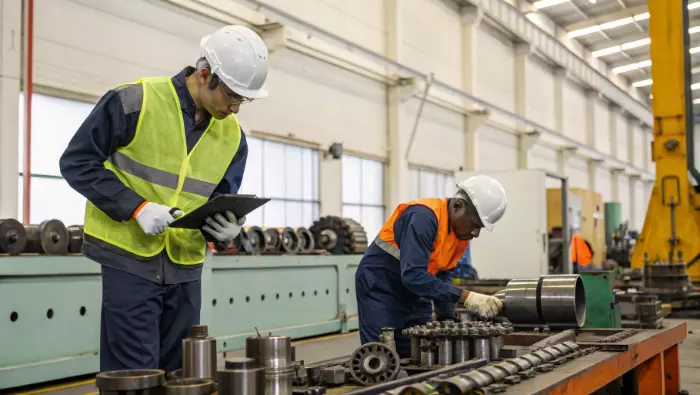
How MRO Maintenance, Repair, and Operations Improve Preventive Maintenance
Maintenance, repair, and operations (MRO maintenance repair and operations) is a simple way to describe all the work that keeps machines, buildings, and equipment running well. This work is not about making new products. Instead, it is about taking care of the things a business already has so they keep working and do not break down.
MRO includes everyday tasks like changing worn parts, fixing broken tools, keeping spare parts ready, and making sure equipment is safe and ready to use.
In this article, we will explain how MRO helps improve preventive maintenance so machines break less often, run longer, and cost less to fix.
What Is MRO?
MRO stands for maintenance, repair and operations. These are the activities people do to keep machines and equipment working right. These tasks include cleaning tools, replacing worn parts, tightening loose bolts, and fixing broken machines before they cause problems. MRO covers both short routine tasks and bigger repair projects.
In simple words, MRO is everything a business does to take care of the machines and tools it uses every day. If this work is done well, the equipment works better, and the workers stay safe.
What Is Preventive Maintenance?
Preventive maintenance means doing small jobs on machines before they break. This includes checking parts, cleaning filters, fixing loose pieces, and replacing worn items on a regular schedule. The goal is to stop problems before they happen.
The benefits of preventive maintenance are big. When machines are checked often, they last longer, have fewer surprises, and cost less money to run. This means less downtime and fewer big repairs when something breaks.
How MRO Helps Preventive Maintenance
MRO and preventive maintenance work like best friends. MRO makes preventive maintenance easier and more powerful. Here are the main ways MRO helps:
1. MRO Makes Maintenance Work Planned Instead of Rushed
Without MRO, workers only fix things when they break. This is called reactive maintenance. It can cost more time and money. But with MRO, workers plan preventive maintenance. They set schedules to check machines, replace parts, and clean equipment. When work is planned, fewer machines break without warning.
For example, if a wheel on a machine is checked and greased each month, it is less likely to seize up and stop the whole machine. That planned work is MRO, helping with preventive maintenance.
2. MRO Keeps Track of Spare Parts
Good MRO means keeping an organized supply of spare parts and tools. When workers have the right spare parts ready, they do preventive maintenance on time. If parts are missing or run out, preventive work can be delayed, and breakdowns happen. By tracking parts well, MRO supports preventive work so nothing gets missed.
Imagine you want to replace a belt on a machine every six months. If the belt is not in stock, you must wait and risk a breakdown. But with MRO, the right parts are always ready for preventive maintenance.
3. MRO Helps Workers Find Problems Early
MRO includes regular checks and inspections. This helps workers find weak spots before they become big problems. When workers do these simple checks, they often spot small cracks, loose screws, or worn belts early. Then they fix them before they turn into major breakdowns.
This early spotting is the heart of preventive maintenance. It stops damage before it starts.
4. MRO Makes Machines Last Longer
Equipment that is cared for well lasts longer. When MRO tasks are done regularly, like cleaning, tightening, oiling, and part swapping, machines stay in better shape. This means a machine may run for years longer than if it were left without care.
Longer‑lasting machines save companies money. They do not have to buy new machines often because the old ones are still working wel,l thanks to MRO and preventive maintenance.
5. MRO Helps Workers Stay Safer
Machines that are taken care of are safer to use. If wheels are loose, belts are frayed, or switches are broken, machines can hurt workers. MRO makes sure machines are checked often so these hazards are fixed quickly.
When machines are safer, workers can focus on their tasks without fear of injury. This is another benefit of preventive maintenance: it protects people, not just machines.
6. MRO Reduces Costly Emergency Repairs
Fixing things after they break can be expensive. Big repairs often need expert technicians, special parts, and lots of time. When preventive maintenance is strong, thanks to MRO, those big emergency fixes happen far less.
For example, changing worn parts during routine checks costs much less than fixing a smashed machine after it breaks. This saves money and keeps the plant running smoothly.
Read: Maintenance Inventory Software That Keeps Operations
7. MRO Helps Teams Work Better Together
MRO tasks are often shared among many people: machine operators, maintenance staff, managers, and planners. When everyone follows the same schedule and procedure, work runs more smoothly. Preventive maintenance becomes part of the routine instead of something extra.
Good teamwork means machines get the attention they need on time. This makes preventive maintenance more consistent and successful.
8. MRO Improves Overall Productivity
Machines that are monitored and cared for regularly work more often and break less. This means production lines keep moving, orders are finished on time, and workers stay active. When machines keep running, the whole business does better.
Preventive maintenance helps production stay steady by stopping most breakdowns before they happen. MRO supports this by making sure everything is on schedule.
Conclusion
MRO maintenance, repair and operations is the backbone of strong preventive maintenance. By planning work, keeping spare parts ready, spotting small problems early, and taking care of machines every day, businesses can reduce breakdowns, save money, keep workers safe, and make equipment last longer. When MRO is done well, preventive maintenance becomes easier and more effective, helping companies stay productive and worry-free.
Protect your assets with expert MRO maintenance repair and operations. Keep machines running, cut costly downtime, and feel confident every day with MicroMain’s trusted support and care.
Frequently Asked Questions
1. What does maintenance, repair and operations (MRO) mean?
MRO means all the work, tools, and supplies needed to keep equipment, buildings, and tools working well every day.
2. How does MRO help prevent equipment problems?
MRO schedules regular checks and fixes so small issues are caught before they become big breakdowns.
3. What are the benefits of preventive maintenance?
Preventive maintenance helps machines break down less, stay safer to use, and last longer.
4. Why is preventive maintenance important?
It stops major problems early, saving time and money by keeping machines running smoothly.
5. Can preventive maintenance reduce downtime?
Yes, by fixing things before they fail, it makes machines work more often and break less.