How MEP Systems are Shaping the Future of Energy-Efficient Infrastructure Development
The way buildings are planned and operated today is very different from even a decade ago.
Across Dubai and the UAE, sustainability is no longer optional; instead, it is a requirement driven by government policies, environmental responsibility, and rising energy costs.
At the heart of this transformation lies MEP design, which brings together mechanical, electrical, and plumbing systems to create smarter, healthier, and more efficient spaces.
A well-planned MEP system ensures that energy is used wisely, water is conserved, and occupants experience greater comfort and safety. Whether it’s a residential tower, hotel, or industrial facility, MEP design defines how sustainable and efficient that structure will be throughout its life cycle.
This blog explores how MEP engineers and consultants are shaping the future of infrastructure by driving energy efficiency and supporting Dubai’s vision for a greener tomorrow.
What is MEP Design and What are its Core Functions?
MEP design is the process of planning and coordinating the mechanical, electrical, and plumbing systems that form the backbone of modern infrastructure.
- Mechanical systems handle air conditioning, ventilation, and indoor climate control, which are essential in hot regions like the UAE.
- Electrical systems manage safe power distribution, lighting, and increasingly, renewable energy sources.
- Plumbing systems ensure a reliable water supply, drainage, and conservation strategies.
These three disciplines work together to deliver comfort, safety, and efficiency in every building. Effective design ensures that systems don’t work in isolation but are integrated seamlessly.
In recent times, MEP design has become a priority because of its direct link to sustainability goals, reduced energy consumption, and compliance with international standards. Without it, modern infrastructure would struggle to meet the expectations of both users and regulators.
How MEP Engineers and Consultants Play Their Role
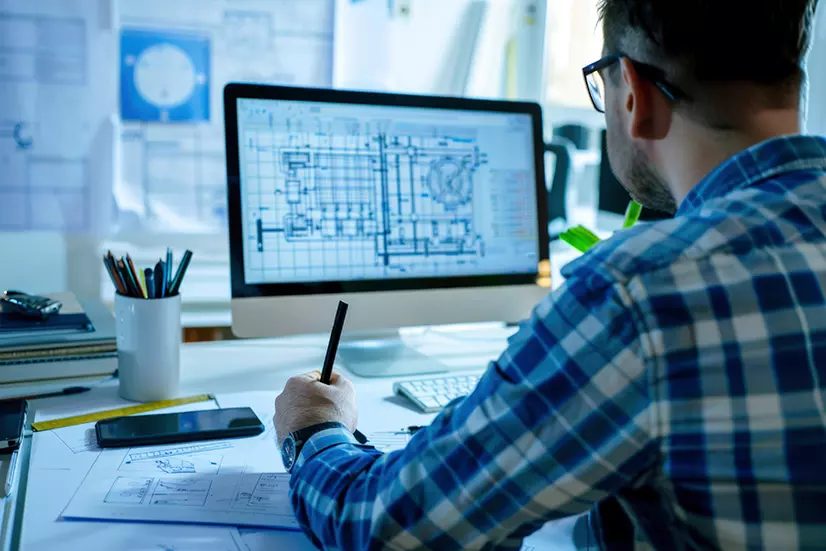
An MEP engineer is responsible for turning design concepts into practical systems. Their work involves energy load calculations, selecting appropriate equipment, and ensuring that systems function together efficiently.
By designing systems that optimize energy usage and reduce waste, MEP engineers contribute significantly to sustainable building operations.
MEP consultants provide additional expertise, offering strategic advice on technology adoption, system integration, and compliance with UAE and international codes.
They ensure that designs are not only efficient but also future-proof, able to adapt to technological advancements.
In large-scale developments across Dubai and the UAE, such as healthcare facilities, luxury hotels, and commercial complexes, the input of MEP engineering consultants is invaluable.
Their knowledge ensures systems are sustainable, cost-effective, and aligned with the region’s ambitious energy efficiency targets.
What are the Key Components of MEP Systems in Sustainable Design?
Sustainable buildings don’t just happen; they rely on well-planned MEP systems working together. Let’s break down the core components that make modern MEP design efficient and future-ready.
Mechanical Systems
Mechanical systems include HVAC and ventilation, which regulate indoor temperature and air quality. In sustainable design, energy recovery units and high-efficiency chillers are used to reduce energy consumption.
For the UAE, where cooling demand is high, efficient HVAC design can save significant amounts of electricity.
Electrical Systems
Electrical systems power everything from lighting to renewable integration. Today, LED lighting, smart sensors, and advanced power distribution systems are standard. Solar integration is critical in Dubai, where abundant sunlight supports renewable initiatives. Smart grids further help monitor and optimize usage.
Plumbing Systems
Plumbing systems ensure a reliable water supply while focusing on conservation. Techniques such as greywater recycling and water-efficient fixtures help reduce waste. In arid climates like the UAE, eco-friendly plumbing design is essential.
When combined, these MEP systems reduce operational costs, improve indoor comfort, and meet sustainability goals. Projects that prioritize efficient MEP design achieve long-term benefits for both occupants and the environment.
How MEP Design Drives Sustainable and Energy-Efficient Infrastructure?
Every building in the UAE faces two significant challenges: high cooling demand and limited water resources. MEP design directly addresses both, making infrastructure smarter and more efficient from day one.
Energy Savings
HVAC accounts for the majority of energy use in Dubai’s buildings. Modern MEP systems use variable-speed chillers, energy recovery units, and automated controls to keep interiors comfortable while cutting electricity bills.
Carbon Footprint Reduction
Integrating solar energy and intelligent electrical distribution reduces reliance on traditional grids. For businesses, this means lower operating costs and compliance with the UAE’s clean energy targets.
Water Conservation
Greywater recycling, water-saving fixtures, and leak detection are no longer optional. They are critical features in MEP design that conserve scarce resources while maintaining reliability.
Value Beyond Savings
MEP systems also help projects achieve international certifications such as LEED, Estidama, and WELL, which recognize buildings for their environmental performance. For developers and investors, this translates into higher property values, reduced running costs, and compliance with sustainability regulations.
In Dubai, MEP companies are already focusing on integrating green technologies into every stage of development. Their efforts make buildings more efficient while aligning with the UAE’s long-term sustainability goals.
What’s the Future of MEP Systems?
The future of MEP systems is deeply connected with technology. Smart sensors, Artificial Intelligence, and Internet of Things (IoT) devices allow real-time monitoring and predictive maintenance.
For example, a smart HVAC system can adjust cooling automatically based on occupancy, reducing waste.
Automation is another major trend, with systems now capable of managing lighting, cooling, and water usage without human intervention. In Dubai, smart buildings are increasingly adopting these practices, reflecting the region’s forward-thinking approach to sustainability.
As these technologies evolve, MEP engineers will continue to play a central role in designing systems that are efficient, adaptable, and future-ready.
What are the Common Challenges in MEP Design and How Experts Solve Them?
Despite its benefits, MEP design comes with challenges. Integration issues often arise when mechanical, electrical, and plumbing layouts clash. Rising energy demands also put pressure on systems, making it harder to balance efficiency with performance.
This is where MEP consultants make a difference. By using advanced tools, they can identify conflicts before execution, saving both time and resources. Consultants also ensure compliance with the UAE’s strict sustainability regulations, reducing risks for project stakeholders.
Through expertise and technology, challenges in MEP designs are turned into opportunities for improvement, resulting in efficient, sustainable systems that meet both user needs and environmental goals.
Dubai and the UAE as Global Leaders in Sustainable MEP Practices
The UAE is positioning itself as a global leader in sustainable development. Initiatives such as the Dubai Clean Energy Strategy 2050 and the UAE Net Zero 2050 commitment highlight the country’s focus on energy efficiency.
MEP companies in Dubai play a critical role in achieving these goals. They deliver energy-conscious systems that address the region’s unique challenges, such as high cooling demands and limited water resources.
At the same time, MEP engineering consultants in UAE are driving innovation through renewable integration, smart controls, and eco-friendly plumbing strategies. Their expertise is recognized not only locally but also globally, making the UAE a hub for sustainable design.
How to Select the Right MEP Company or Consultant in Dubai?
The success of any modern project depends heavily on the expertise behind its MEP design. Choosing the right partner directly impacts efficiency, compliance, and long-term savings.
Here’s what to look for when evaluating MEP companies in Dubai:
- Proven expertise in delivering sustainable solutions.
- Adoption of advanced technologies such as BIM and smart monitoring systems.
- Strong knowledge of UAE codes and international standards.
- A portfolio of successful, energy-efficient projects.
Working with the right MEP engineering consultants in the UAE ensures compliance, efficiency, and long-term savings. By partnering with established MEP companies in Dubai, developers can be confident that their projects meet both sustainability and operational goals.
Read: MEP Solutions in Karachi by Reliable Services
MEP Designs Driving Value in UAE Projects
MEP design is an investment in efficiency, savings, and long-term value. With the right systems in place, projects reduce running costs, achieve sustainability certifications, and attract higher property valuations.
For developers in Dubai and the UAE, this means creating buildings that are not only compliant with regulations but also more marketable and future-ready.
As demand for sustainable infrastructure grows, experienced MEP companies and reliable MEP engineering consultants in the UAE are leading the way.
Firms like EMKAAN continue to set benchmarks with advanced engineering solutions, ensuring every project balances performance, comfort, and environmental responsibility.
FAQs
1. What is MEP design, and why is it vital in modern infrastructure?
MEP design is the integration of mechanical, electrical, and plumbing systems. It ensures safety, comfort, and efficiency while reducing energy consumption and environmental impact in modern buildings.
2. How do MEP systems improve sustainability in buildings?
MEP systems improve sustainability by reducing electricity use through efficient HVAC and lighting, conserving water with advanced plumbing design, and integrating renewable energy sources into building operations.
3. What role do MEP consultants play in Dubai projects?
MEP consultants provide strategic expertise, ensure compliance with UAE codes, and deliver energy-efficient solutions that support Dubai’s sustainability vision while optimizing long-term building performance.
4. How do MEP companies in Dubai support energy-efficient development?
MEP companies in Dubai deliver integrated systems that lower energy costs, reduce carbon emissions, and conserve water resources, ensuring infrastructure aligns with both sustainability goals and regulatory requirements.
5. What is the difference between MEP engineers and MEP engineering consultants in the UAE?
An MEP engineer focuses on designing and implementing technical systems, while MEP engineering consultants provide broader strategic guidance, compliance oversight, and sustainability-focused solutions for projects across the UAE.