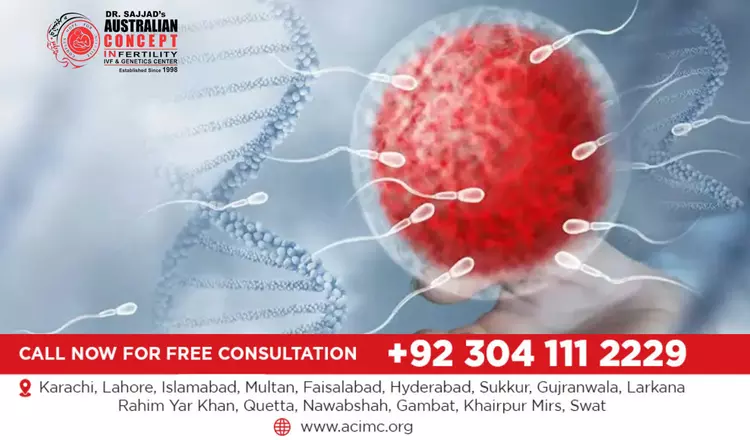
How Male Age and DNA Fragmentation Affect the Success Rates of the ICSI Procedure
Male fertility changes with age, just as female fertility does. One important factor that affects male fertility is sperm DNA quality.
As men grow older, the chances of DNA damage in sperm may increase, which can influence fertilization and embryo development. Understanding the relationship between age, DNA fragmentation, and the ICSI procedure helps couples make informed fertility decisions.
What Is DNA Fragmentation?
DNA fragmentation refers to damage or breaks within the genetic material carried by sperm cells. Healthy DNA is necessary for normal embryo development and successful pregnancy.
When sperm DNA becomes damaged, the chances of fertilization, implantation, and embryo growth may decrease.
How Does Male Age Affect Sperm DNA?
As men age, several biological changes occur that may increase DNA fragmentation levels.
Increased Oxidative Stress
Older men often experience higher levels of oxidative stress. This process damages sperm cells and their genetic material.
Reduced Sperm Quality
Advancing age may affect:
- Sperm count
- Sperm motility
- Sperm morphology
- DNA integrity
These changes can influence reproductive outcomes.
Hormonal Changes
Age-related hormonal changes can affect sperm production and overall reproductive health.
What Causes DNA Fragmentation?
Several factors may contribute to sperm DNA damage, including:
- Aging
- Smoking
- Obesity
- Stress
- Poor diet
- Environmental toxins
- Infections
- Heat exposure
Lifestyle factors can significantly influence sperm health.
How Is DNA Fragmentation Diagnosed?
Specialized laboratory tests are used to measure DNA damage in sperm cells. These tests help fertility specialists understand the severity of sperm DNA abnormalities.
The results assist doctors in choosing the most appropriate treatment plan.
What Is the ICSI Procedure?
The ICSI procedure involves injecting a single sperm directly into an egg during IVF treatment. This technique is commonly used for male infertility.
ICSI helps overcome problems such as:
- Low sperm count
- Poor sperm movement
- Abnormal sperm shape
How Does High DNA Fragmentation Affect ICSI?
Although ICSI can help achieve fertilization, elevated DNA fragmentation may still affect outcomes.
Lower Fertilization Rates
Damaged sperm DNA may reduce the ability of embryos to develop normally.
Poor Embryo Quality
Embryos created from sperm with high DNA damage may have lower developmental potential.
Reduced Implantation Rates
DNA abnormalities can affect the embryo's ability to implant successfully in the uterus.
Increased Risk of Pregnancy Loss
Higher DNA fragmentation levels have been associated with increased miscarriage risk in some cases.
Read: What to Actually Look for in the Best Fertility Clinic in UAE
Can Lifestyle Changes Improve DNA Quality?
Doctors often recommend several lifestyle changes to improve sperm health:
- Eat a balanced diet
- Exercise regularly
- Quit smoking
- Reduce alcohol intake
- Manage stress
- Maintain healthy weight
- Avoid excessive heat exposure
These changes may reduce oxidative stress and support sperm quality.
Medical Treatments and Management
Depending on the cause, specialists may recommend:
- Antioxidant therapy
- Treatment of infections
- Hormonal management
- Lifestyle modification
- Surgical treatment when necessary
Individualized care is important for better outcomes.
Role of Fertility Specialists
Fertility specialists evaluate age, semen analysis results, and DNA fragmentation levels before recommending treatment.
This personalized approach helps improve the chances of successful ICSI treatment.
Conclusion
Male age can increase DNA fragmentation rates, which may affect sperm quality, embryo development, and pregnancy outcomes. Although the ICSI procedure can overcome many male infertility problems, sperm DNA integrity remains an important factor in treatment success.
Early evaluation, healthy lifestyle choices, and proper medical guidance can help improve reproductive outcomes and increase the chances of a successful pregnancy.
FAQs
1. Does male age affect fertility?
Yes, increasing age can affect sperm quality and DNA integrity.
2. What is sperm DNA fragmentation?
It is damage to the genetic material inside sperm cells.
3. Can ICSI overcome DNA fragmentation?
ICSI can help achieve fertilization, but severe DNA damage may still affect outcomes.
4. Can lifestyle changes improve sperm DNA quality?
Yes, healthy habits may reduce DNA damage.
5. Should older men undergo fertility testing?
Yes, fertility evaluation can help identify potential issues and guide treatment decisions.