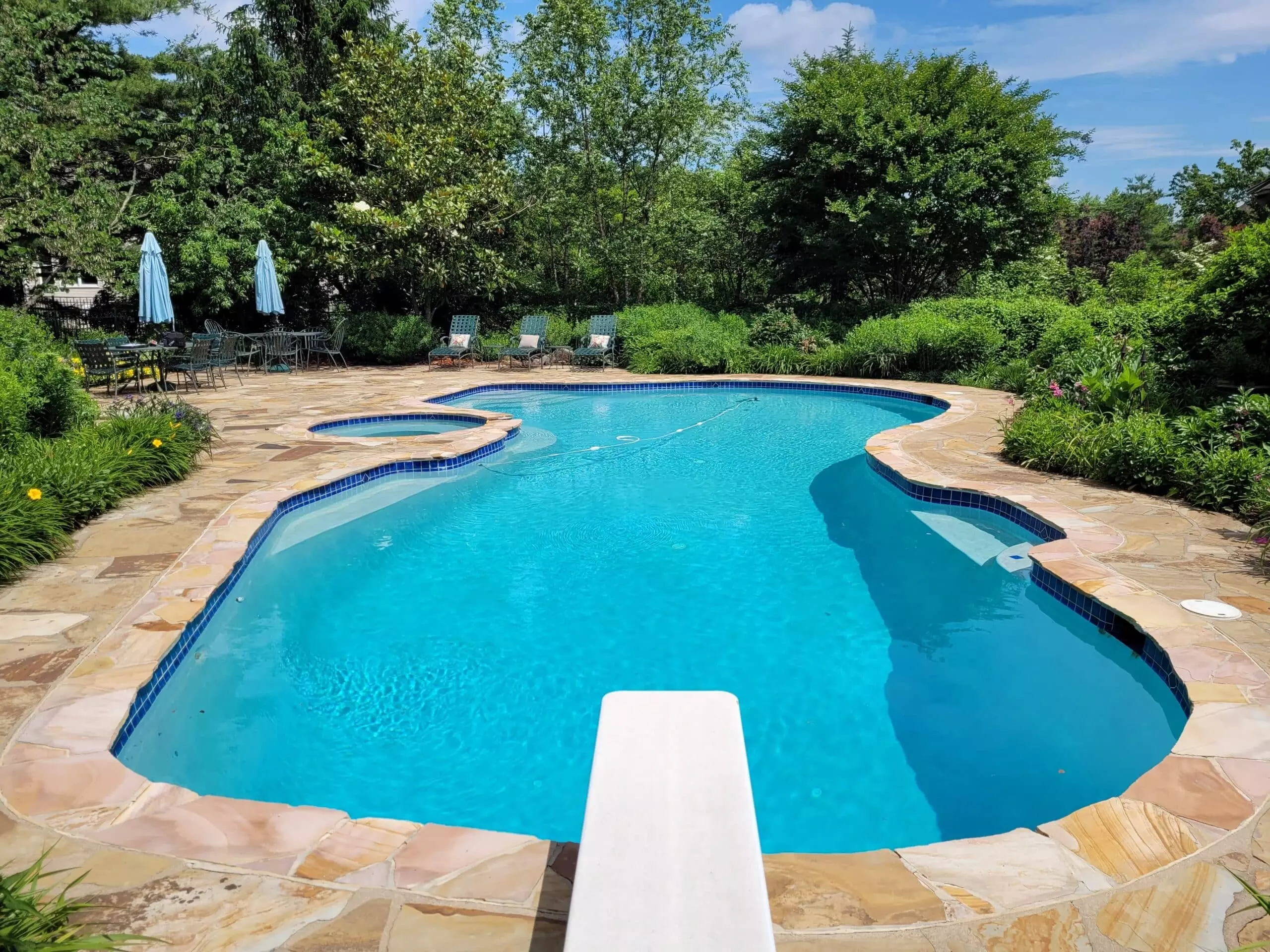
How Long Does It Take to Renovate a Pool?
How Long Does It Take to Renovate a Pool?
Thinking about giving your pool a makeover? Whether you're dreaming of a fresh finish, updated tiles, upgraded equipment, or a total redesign, one of the first questions that comes to mind is: How long will it take? Pool renovations don’t follow a one-size-fits-all timeline. The duration depends on the scope of work, materials used, weather, and any unexpected challenges uncovered along the way.
In this guide, we’ll walk through each phase of a typical pool renovation, from planning to the final splash, so you can set expectations and prepare your lifestyle—and your budget—with confidence.
1. Planning & Design: 1–2 Weeks
The renovation begins long before construction crews show up. Your initial steps often take a week or two:
- Defining goals: Are you refinishing the surface? Repairing damaged areas? Installing new lights, waterfalls, or automation? Is it a cosmetic refresh or a full redo?
- Material selection: You’ll choose finishes such as plaster, pebble, or quartz, pick new tile and coping, and decide on decking materials.
- Estimates & quotes: Contractors evaluate the pool and submit detailed quotes and timelines.
- Approval & scheduling: Once you approve the plan, a work schedule is set. Delays can arise from waiting for permits or the availability of specialty materials.
Taking time during this stage answers key questions and prevents avoidable delays.
2. Demolition & Drainage: 1 Day to 3 Days
Once work begins, the first step is draining and prepping the pool:
- Draining the water: Depending on local regulations, water may be drained gradually or reused elsewhere.
- Removing old fixtures: This includes stripping out old tiles, coping, decking edges, light fittings, or automation gear.
- Cleanup and prep: Surfaces are cleaned, cracked plaster removed, and prep work begins for finishing.
Smaller-scale projects like partial tile replacement may wrap up in a day or two; full renovations can stretch the prep phase to three days, especially with extensive demolition or debris removal.
3. Structural Repairs & Shell Work: 1–5 Days
After the cleanup comes structural work:
- Crack and leak repairs: Structural fixes may involve epoxy injection, hydraulic cement, or grout stitching.
- Color adjustments: Modern cement pools may require patchwork refinement across the shell.
- Light and niche updates: Any wells or pockets in the shell are addressed before refinishing.
This phase ensures integrity and functionality—crucial before new finishes are applied.
4. Surface Application: 3–7 Days
Depending on your finish choice, time varies:
Plaster: The classic white or colored base coat takes 4–7 days, including curing and smoothing.
Aggregate finishes (pebble, quartz, glass beads): These materials are more durable and visually striking, but require 5–10 days—factoring in curing and multi-layer application.
Vinyl or fiberglass liners: Not as common in concrete pools but quicker—installation and smoothing can wrap up in 2–4 days.
Weather plays a big role here—ideal temperatures and conditions help finishes cure correctly and prevent cracking or bubbling.
5. Tile & Coping Installation: 2–5 Days
Once the shell is finished, tile and coping go in:
- Waterline tile: Installed just above the finish—usually takes 1–3 days.
- Coping stone: The cap around the pool edge. Depends on installation method and stone type—typically 1–2 days.
- Grout and sealing: May require an extra day, with a brief drying phase before water can return to the pool.
6. Deck & Outdoor Fixes: 3–10 Days
If your project includes decking or surrounding areas, schedule accordingly:
- Remove and prep: Cracked decks may require demo and subsurface work.
- New surfacing: Concrete, stamped overlays, pavers, or stone. Each material carries a different timeline.
- Curing time: Concrete decks need 3–7 days to set. Pavers may need setting and sealing.
- Landscape adjustments: Irrigation, sod and bed work might follow later.
7. Equipment Installation & Upgrade: 1–3 Days
Updated pools often need updated hardware:
- Pump, filter, and heater installs: Even full system replacements can often be done in a day or two.
- Automation, lighting, and water features: More complex systems (LED lights, smart controls, waterfalls, or spa upgrades) may add a few days.
- System testing: Equipment must be primed, run, and balanced before the pool is refilled.
8. Refill & Water Balancing: 1–2 Days
After finishing surfaces and equipment:
- Water refill: Takes anywhere from 1 to 2 days, depending on your water source.
- Chemical adjustment: pH, alkalinity, chlorine levels, and calcium hardness need careful rebalancing.
Until water levels and chemistry stabilize, it’s not safe or comfortable to swim—plan on waiting a day or two post-refill.
9. Final Inspection & Cleanup: 1 Day
Once your pool is refilled, it’s time for quality assurance:
- Post-construction inspection: Contractors check cosmetic alignment and confirm full system functionality.
- Address punch-list items: Touch-ups, grout sweats, lighting timing adjustments, or minor tile fix-ups.
- Clean decks and finalize detailing: Cement dust is washed, landscaping tidied, and your space is returned to you.
After approval, the pool is ready for use.
10. Overall Timeline Examples
Here’s a breakdown of renovation types by timeline:
Type of RenovationTypical DurationSimple resurfacing2 – 3 weeksSurface + waterline tile/coping3 – 4 weeksFull shell, tile, deck & equipment5 – 8 weeksCustom enhancements + landscaping8+ weeks
Major projects that include decking, landscaping, water features, or multiple upgrades may stretch into 10+ weeks.
11. What Can Extend Your Project
Several factors can stretch the schedule:
- Weather delays: Rain, extreme heat, or cold days can push back curing and application.
- Permitting requirements: Local approvals for decks or equipment may slow progress.
- Material lead times: High-demand tiles, specialty stones, or steel orders can arrive late.
- Hidden damage: Unseen problems like buried electrical lines or plumbing issues often arise once excavation starts.
- Contractor backlog: Busy seasons can delay start or prolong timelines due to crew scheduling.
12. Tips to Keep Things Running Smoothly
1. Plan Timing
Early spring and late summer are best—avoid extremes. Give your contractor a 3‑month window to align schedules without stress.
2. Set a Buffer
Expect a 10% buffer in your timeline to accommodate unknowns—this keeps budgets and stress levels in check.
3. Communicate Regularly
Stay in touch with your contractor on progress, materials, or schedule shifts. Clear communication prevents surprises.
4. Coordinate Scope
Bundle related tasks like tile, coping, and deck work. Doing them together saves time, money, and mess.
5. Prioritize Finishing
Schedule one contractor to handle surface work and another for outdoor enhancements in sequence—no crew overlap.
13. Enjoy Your Renewed Pool
Once your renovation wraps up, you’ll have:
- A fresh, beautiful finish and updated aesthetics
- Safer, more functional equipment
- Efficient heating, lighting, and automation
- A comfortable outdoor deck ready for gatherings
- A thoroughly tested and balanced pool ready for play
Your backyard becomes a retreat, gathering space, and personal oasis—season after season.
Final Thoughts
Pool renovation timelines depend on scale, materials, weather, and how well things are coordinated. From a simple resurface to a full-blown backyard transformation, knowing what goes into each phase helps you prepare, stay patient, and enjoy the process. With thoughtful planning and experienced contractors, your pool renovation can be a smooth, rewarding journey—culminating in a beautiful, modern, and functional backyard oasis ready for the next sunset swim.