How Jumeirah Restaurants Blend Traditional and Modern Arabic Cuisine
Food in Dubai reflects both heritage and progress. Nowhere is this more visible than in Jumeirah. The area has grown into a dining district where classic Arabic recipes meet modern cooking styles. Many diners come here not only to eat, but also to experience how familiar flavours can feel new again.
A best restaurant in jumeirah often respects tradition while adjusting presentation, portions, and techniques for today’s guests. The goal is not to replace the past, but to present it in a way that fits modern tastes and dining habits.
Keeping Traditional Flavours Alive
Arabic cuisine is based on simple ingredients prepared with care. Slow cooking, balanced spices, and shared plates are central to the culture. Restaurants in Jumeirah keep these elements intact.
You will still find dishes like grilled meats, rice platters, fresh bread, and mezze prepared using original methods. Spices such as cumin, coriander, and cinnamon are used gently, not heavily. The flavour is meant to feel warm and familiar rather than overpowering.
Chefs often follow family recipes or regional cooking styles. Even in modern settings, the base taste remains authentic. Guests who grew up with these dishes recognise the flavours immediately.
Modern Presentation and Plating
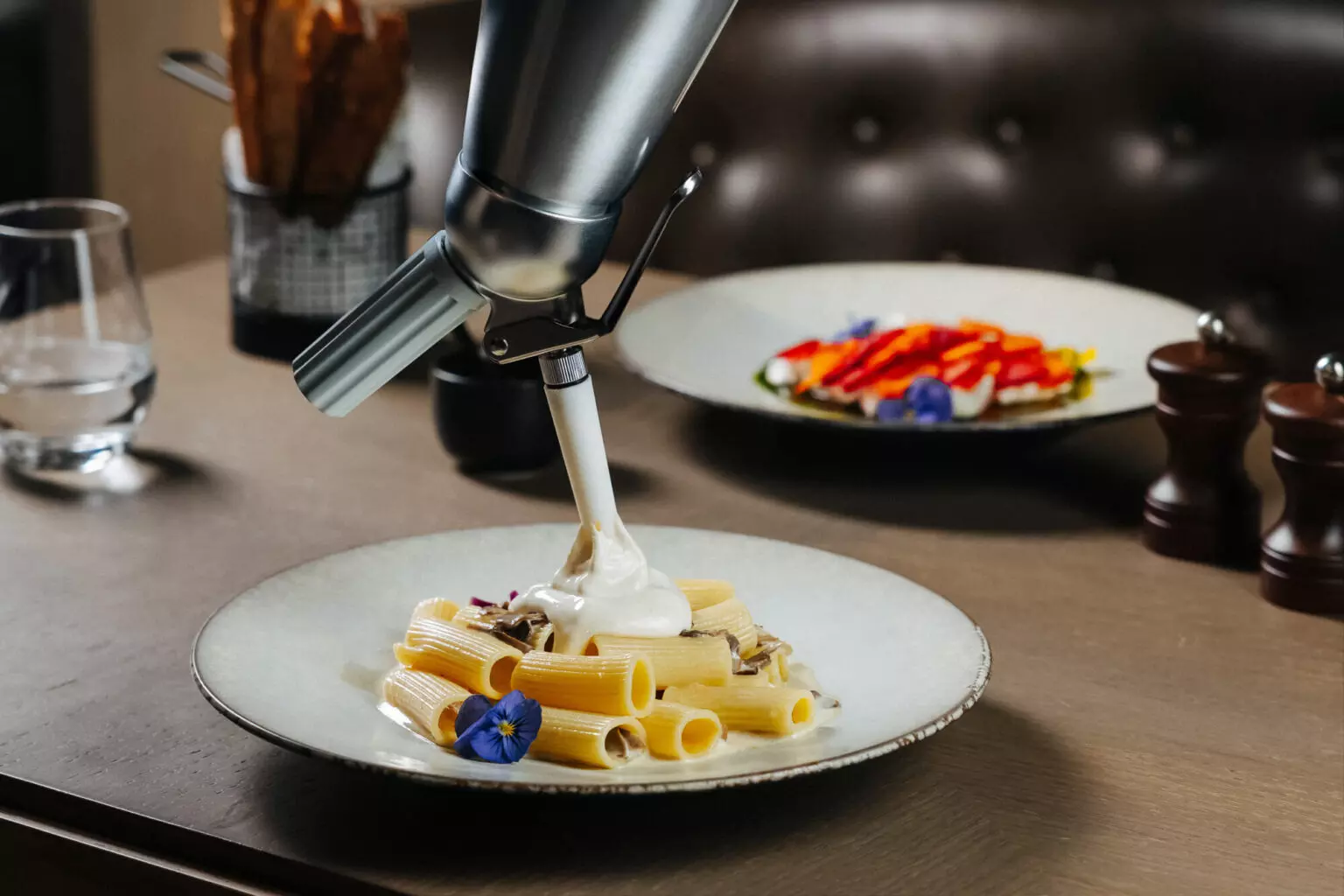
While flavours stay traditional, presentation has evolved. Today’s diners enjoy clean plating and organised portions instead of very large serving trays.
Instead of heavy platters, dishes may be arranged in smaller plates that are easier to share. Garnishing is simple but neat. Sauces are placed carefully rather than poured freely.
This change helps guests enjoy Arabic food in a more comfortable dining setting. It also makes the meal suitable for business meetings and social gatherings where presentation matters.
Lighter Cooking Methods
Modern diners prefer meals that feel satisfying but not heavy. Because of this, many restaurants adjust cooking techniques without changing the recipe itself.
For example:
- Grilling replaces deep frying
- Olive oil is used in measured amounts
- Fresh herbs are added at the end for aroma
- Portions are balanced for individual plates
These adjustments keep the taste authentic while improving comfort after the meal. Guests can enjoy a full dinner without feeling overly full.
Read: Best Restaurants in Jaipur: From Royal Rajasthani Thalis
Fusion Without Losing Identity
Blending cuisines does not always mean mixing flavours randomly. In Jumeirah, fusion usually means adapting Arabic food for international diners.
You may see classic mezze paired with modern salads or traditional meats served with contemporary side dishes. The aim is harmony, not confusion. The original recipe remains clear, but the dining experience feels updated.
A top class restaurant in jumeirah understands that guests want authenticity with convenience. They want the cultural taste but in a format that fits modern dining expectations.
Atmosphere Reflects the Menu
The dining environment often mirrors the food philosophy. Interiors combine Arabic design details with modern comfort. Warm colours, textured walls, and soft lighting create familiarity, while seating and layout remain practical.
This balance allows guests to experience heritage without feeling formal or old fashioned. Families, tourists, and residents all feel comfortable in the same space.
Shared Dining Culture Remains Important
One element that has not changed is the social aspect of Arabic dining. Sharing food remains central to the experience.
Tables are often filled with multiple dishes placed in the middle. Guests take small portions and continue talking. The meal becomes a gathering rather than just eating.
Modern restaurants support this by offering flexible portion sizes and group friendly layouts. Even with updated presentation, the spirit of sharing continues.
Meeting Modern Expectations
Today’s diners care about speed, consistency, and clear menus. Restaurants now provide structured menus that explain ingredients and portion sizes. Service is organised so guests can enjoy traditional food without long waiting times.
This approach makes Arabic cuisine accessible to people unfamiliar with it. Visitors can try several dishes comfortably, while regular guests still recognise authentic flavours.
Final Thoughts
Jumeirah restaurants show that tradition and modern dining can work together. By keeping original flavours and adjusting presentation, cooking style, and service, they offer a balanced experience.
Guests enjoy familiar recipes in a setting suited to today’s lifestyle. The culture remains present, but the delivery feels fresh. This careful balance is what keeps diners returning and helps Arabic cuisine continue evolving without losing its identity.