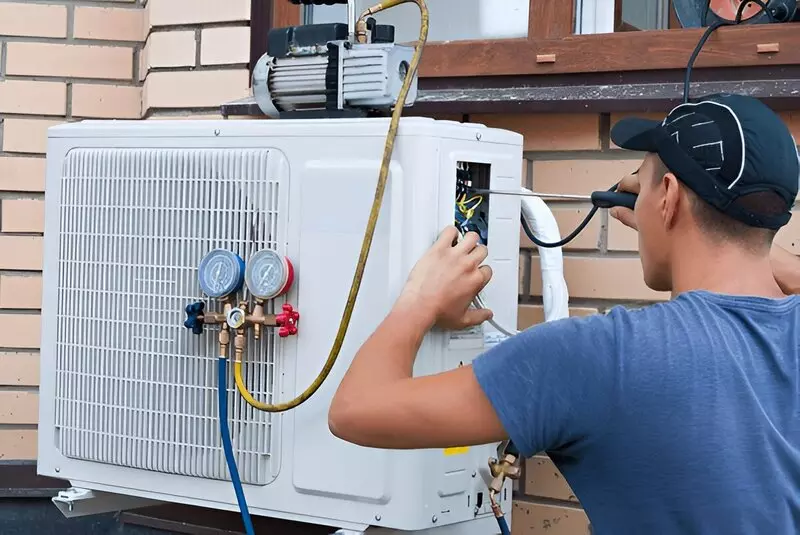
How Heating and Air Conditioning Service Boosts Indoor Air Quality
Has the air in your living room ever felt rather stale? Might you wonder why your allergies worsen even though your house is kept clean? Not alone if you have ever wondered about the connection of your heating and air conditioning service with the quality of your breath. Although not sure how to attain it, many Australian house owners want new, clean inside air.
Often referred to as HVAC, this post will look at how heating and air conditioning systems affect indoor air quality. We shall show you the basic reasons why the air in your house may not feel its best and explore the usual ways subpar air quality can influence your health. Additionally, we will guide you through the hands-on measures from system upgrades to regular maintenance that experienced HVAC technicians use to keep your air fresh.
You will understand by the finish how to maintain fresh and comfort in your house throughout the year. So if you have been concerned about stale odours, fungus in vents, or persistent dust, please wait. You are about to see how a dependable heating and air conditioning company is vital for creating a more healthy indoor environment.
Indoor Air Quality Introduction
Why Indoor Air Quality Matters
More essential for your family's respiratory health than only comfort is indoor air quality. If you think about it, we really do spend a lot of time inside whether we are resting on the sofa, cooking food, or reading a decent book before bed. Poor home air quality can quickly affect our mental state. Fatigue, itchy eyes, and stuffed noses could start to permeate if the inside surroundings is not well aired.
Quietly accumulating, pollutants offer still more cause to be concerned about interior air quality. From household cleaners to pet dander, many small particles are present in our inside surroundings. These toxins can build up even in Australian residences, where open windows allow for a breeze, if HVAC ventilation systems are not good. Clean air is essential for a healthy living area; hence it is not really something that feels nice only.
Everyday Air Quality Problems Found in Houses Across Australia
Australia's climate can vary quite across regions. Some regions experience extreme summers; others face harsh frigid winters. This rather erratic weather may encourage everything from dry, dusty conditions to moist, mold-friendly environments.
Stale spaces in poorly aired rooms, prolonged spores, and seasonal allergies permeating the house are all among the most frequent air quality issues. Count on a quick response heating and air conditioning service that deals with your climate control requirements promptly and accurately if you want to keep indoor comfort and air quality throughout the year.
Moreover, many people use heat and air conditioning systems for comfort without realizing how much of their air they are affecting. Particles could move around the house if filters stay clogged or ducts get dirty. This is also why constant heating and air conditioning maintenance is very essential. Anyone who wants to maintain a healthy indoor environment has to monitor these components.
HVAC (Heating, Ventilation, and Air Conditioning) Technical Information
What Is HVAC?
People typically seek a basic definition when they inquire about "What is HVAC?"—it refers to Heating, Ventilation, and Air Conditioning. It is the term for the system controlling indoor temperature, air quality, and flow. Several components of an HVAC system operate in concert to provide a clean and pleasant living. From cool air on hot summer afternoons to warm heat from a cozy heater on a frigid winter's day, HVAC systems have you under their control.
HVAC Meaning and Definition
HVAC consists basically of three components: "heating" is equipment that increases the internal temperature—normally from furnaces, boilers, or heat pumps—while "ventilation" is the removal of stale air outside and admitting fresh air into the house.
This part is especially relevant for indoor air quality since it ensures no pollutants are kept. Then "Air Conditioning" addresses lowering of humidity, maintenance of comfort during the hotter months of Australia, and house cooling. In essence, the definition for HVAC points to the major underlying elements needed to maintain a perfect indoor environment.
What Aare HVAC Systems Against Those of Air Conditioning Systems?
Many people mix standard air conditioning systems with HVAC's. A refrigeration system is the core component of an air conditioner. By comparison, a complete HVAC configuration can accomplish much more. Apart from cooling, an HVAC system circulates, heats, ventilates, and filters the air. By keeping humidity levels even, this stops mould growing and offensive smells develop.
Several families choose a basic air conditioner to combat the summer heat. An HVAC system is normally the better route, however, if you also have to keep your house warm throughout winter and get air potential. A single, integrated system lets you live comfortably all year, therefore less difficulty and sometimes improved interior air quality.
How Heating and Cooling Affect Air Quality
The Interaction of Heat, Air Ventilation, and Cooling
The special balance that maintains your interior warm is achieved by a combination of heat, air ventilation, and cooling. The quality of the air you breathe depends mostly on how well these elements interact, regardless of whether you have a ducted solution or a more straightforward split system. Obsolete or badly kept heating systems could give off dust particles or even noxious gases. Likewise, if water collects in the incorrect areas, cooling systems might serve as breeding grounds for mold.
Everything is held together by proper ventilation at bottom levels. Fresh winds allow musty air pockets to vanish as they circulate throughout a house. Moreover keeping pollen and other irritants at bay, this airflow helps to regulate moisture levels. Remember: "heat air ventilation and cooling" is not only a technical term; it is the cooperation that establishes the ambient freshness level.
Uses of HVAC Ventilation Systems in Residences
HVAC ventilation systems see to it that fresh outside air replaces old, dirty air. Reducing indoor pollutants depends on this correspondence. In the absence of proper airflow, bathrooms and kitchens become ideal places for residual odors and additional moisture. This is why professionals will sometimes claim that if comfort is concerned, correct air flow is every bit as imperative as temperature.
For Australia, where temperatures might range from searing to cool, ventilation helps to maintain constant indoor environment. By letting your heating or cooling system run more efficiently, a dependable air conditioning ventilation design may help to lower energy use. The outcome is fresher and more pleasant living conditions all around thanks to purer air.
Why Regular Service Helps to Increase Air Quality
The secret to great indoor air quality is routine heating and air conditioning maintenance. Technicians will search for evidence of wear and tear, inspect ductwork, and clean or replace filters during regular maintenance checks. This upkeep ensures that the system operates properly, lowering the possibility of mould growth or dust accumulation. Clogged filters mean you are basically reusing the same dirty air all around your house.
Neglected systems also typically labor more to achieve the desired temperature, hence raising energy costs and stressing the apparatus. Booking regular maintenance helps to increase the lifespan of your HVAC system and maintain it working at maximum performance. You will breathe easier and avoid many of the problems caused by subpar indoor air quality with less dust and debris hiding in your ducts and vents.
Conclusion
In essence, you need an HVAC system that can handle the work if you want good, clean interior air. We have looked at how regular maintenance can really matter, why indoor air quality is important for your well-being and comfort, and the elements of an effective heating, ventilation, and air conditioning system. Even small changes such replacing filters can greatly enhance your breathing air.
Your capacity to keep your family secure and comfortable depends on your initiative decisions. Especially if you smell bad or sneeze more than usual at home, think about organizing regular professional visits. Upgrading to a modern HVAC air conditioning system can enable you to make a large step forward in both efficiency and air quality if several components of your system are old-fashioned.
In the end, everyone has the right of a place without too much dust, mold, or stale air. Checking filters, watching humidity, and guaranteeing enough ventilation will help you to create surroundings where you can relax daily by paying attention to your HVAC system. It is a simple strategy that results in a more happy, healthy living.