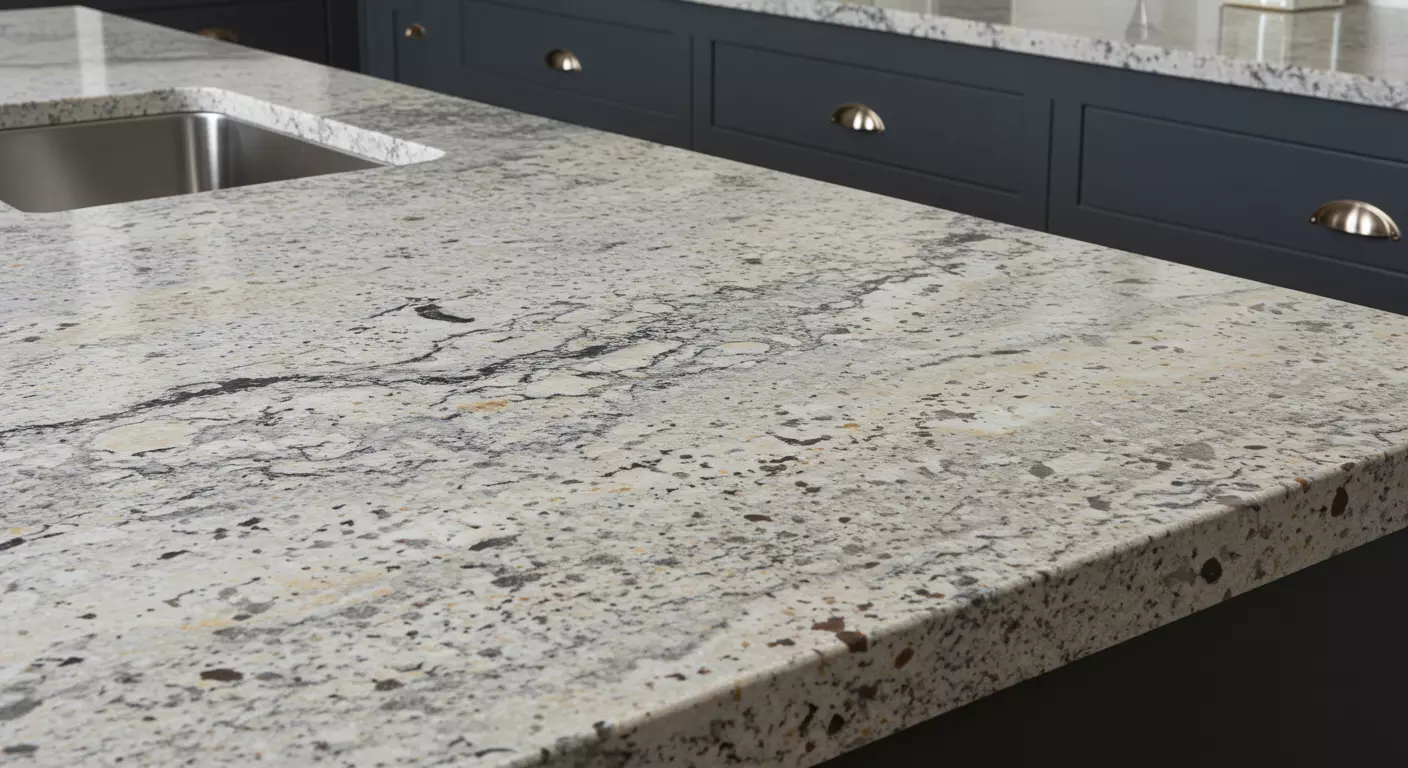
How hard is it to care for natural stone bench tops?
It’s easier than many people think. Day-to-day care usually comes down to warm water, a pH-neutral cleaner (even mild dish soap works), and quick action when spills happen. The real difference is knowing what type of stone you have granite, marble, porcelain, or engineered stone, and tailoring care to its quirks. With that approach, stone bench tops can look stunning for decades without feeling like a chore.
This article takes the everyday advice people share in renovation forums and backs it up with professional guidance, so you know exactly what’s worth worrying about, and what isn’t.
Why Stone Bench Tops Are Worth It
Stone bench tops aren’t just countertops, they’re a design statement. They bring texture, depth, and a touch of luxury to kitchens, bathrooms, and alfresco areas. Unlike laminate or synthetic surfaces, natural stone tells a story: unique veins, organic color shifts, and a durability that can outlast trends.
But beauty comes with responsibility, different stones need different levels of care.
Types of Stone Bench Tops and How to Care for Them
Here are the types and ways to care stone bench tops:
Granite: The Reliable Workhorse
- Durability: Highly resistant to scratches and heat.
- Maintenance: Wipe daily with warm water and mild soap. Needs resealing every 1–3 years depending on use.
- Best for: Busy households who want style without fuss.
Marble: The Showstopper That Needs TLC
- Durability: Softer and more porous, prone to staining and etching.
- Maintenance: Avoid acids like lemon juice or vinegar. Blot spills immediately.
- Best for: Homeowners who don’t mind a patina developing over time.
Porcelain: Low-Maintenance Luxury
- Durability: Non-porous, UV-resistant, and nearly maintenance-free.
- Maintenance: Simple wipe-downs; no sealing required.
- Best for: Those who want the stone look with minimal care.
Engineered Stone (Quartz): Beauty With Caveats
- Durability: Strong, uniform, and scratch-resistant.
- Concerns: High-silica engineered stone is facing bans in Australia due to health risks for workers. Many homeowners now look for silica-free alternatives.
- Best for: People who want consistency and color options but should confirm silica content.
Daily Care Routine: Simple and Effective
- Use a soft cloth and warm soapy water for quick wipe-downs.
- Clean spills immediately, especially wine, coffee, or citrus.
- Avoid abrasive pads or harsh cleaners.
- Always use chopping boards and trivets.
Pro tip: The “water test” tells you if sealing is due. Sprinkle a few drops of water — if they bead, you’re good. If they soak in within 10 minutes, it’s reseal time.
Sealing Stone Bench Tops: Why and When
- Purpose: Sealing slows absorption and protects against stains.
- Frequency: Depends on stone type and usage. Granite often every 12–18 months; some stones need less frequent resealing.
- How to test: Place water droplets and check absorption.
Resealing isn’t complicated, but a professional installer can ensure it’s applied evenly without dulling the finish.
Real-Life Insights From Homeowners
Given are the homeowners share practical advice:
- Many use mild dish soap daily without issue.
- Citrus and vinegar cleaners are the biggest culprits for dull spots.
- Some accept that marble develops “character” over time instead of staying flawless.
This blend of lived experience and expert guidance makes the best care routine both effective and realistic.
Stain Removal and Quick Fixes
- Oil stains: Use a gentle degreaser or poultice.
- Organic stains (coffee, tea): A diluted hydrogen peroxide solution can help.
- Etching (acid damage): Needs professional honing/polishing, cleaning won’t fix it.
Choosing the Right Stone for Your Lifestyle
- For families: Porcelain or sealed granite minimal worry.
- For entertainers: Marble for elegance, knowing it’s higher-maintenance.
- For safety-conscious renovators in Australia: Silica-free stone or porcelain, given recent regulations.
If you’re unsure which suits you best, a specialist like Master Tops can recommend materials that balance beauty, durability, and practicality.
Conclusion
Stone bench tops don’t have to be intimidating. Care boils down to common sense: clean gently, protect against stains, and reseal when your stone needs it. The reward? Surfaces that look striking and last decades. And if you’d rather not think about maintenance, porcelain and silica-free stones offer beautiful, worry-free alternatives.
FAQs
Q: Can I use dish soap every day?
Yes, diluted dish soap is safe for daily cleaning. Just rinse and dry afterward.
Q: How often should I reseal granite?
Test yearly with the water-drop method. Some stones need resealing every 1–2 years, others every 3–5.
Q: Can marble ever be completely stain-proof?
No. Even sealed marble can etch or stain. It’s about managing expectations and upkeep.
Q: What’s the easiest stone bench top to care for?
Porcelain, it’s non-porous, heat-resistant, and stain-resistant without sealing.
Q: Is engineered stone being phased out in Australia?
High-silica engineered stone is restricted due to worker health concerns. Check with suppliers for safer, silica-free options.