How e-commerce is changing CRCA procurement for small fabricators
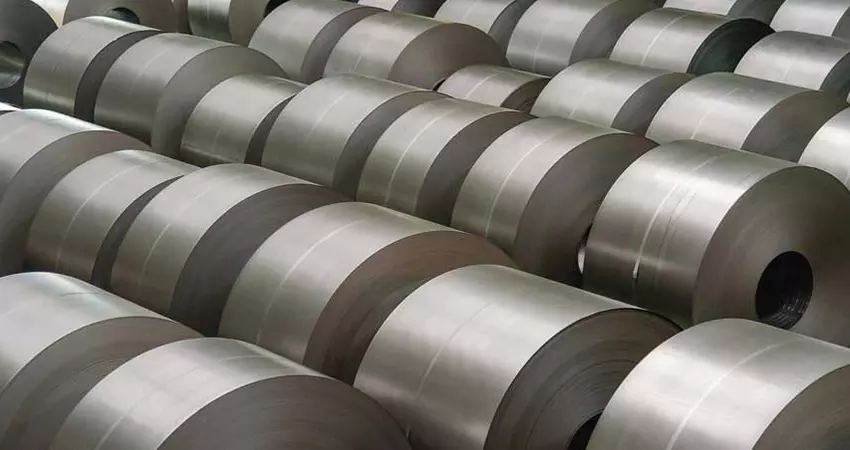
For small fabricators who work with CRCA (Cold Rolled Close Annealed) steel — the smooth, formable sheet metal widely used in appliances, cabinets and light-gauge structural parts — digital marketplaces are shifting procurement from a relationship-driven, paperwork-heavy process to a near-instant, transparent experience.
That change matters: better access, faster delivery and clearer pricing reduce downtime on shop floors and cut working capital pressure for micro and small fabricators.
Price discovery made simple
First, price transparency and comparison are made easier by e-commerce. Buyers can view product listings, grade, thickness, and unit price side by side rather than contacting several traders, going to yards, or depending on sporadic phone quotes. For fabricators to choose the most economical lot without enduring protracted haggling, marketplaces and supplier websites frequently provide stock status and dynamic pricing.
Smaller buyers are now able to compete with larger buyers who previously benefited from bulk pricing thanks to this type of price discovery.
Better product information reduces risk
Second, risk is decreased by having access to validated inventory and product data. Ordering the incorrect grade (or putting up with subpar surface quality) used to be a common headache because CRCA comes in a wide variety of grades, finishes, and coil sizes. It is now easier to match material to the job thanks to e-commerce platforms' product pages, datasheets, and listings of branded suppliers.
Some marketplaces also include reviews, photos, and verification so fabricators can assess quality remotely before making a purchase. Manufacturers' product pages for CRCA in particular help buyers specify accurately by outlining available widths, thickness ranges, and typical applications.
Faster, more predictable logistics
Third, logistics and lead times are getting better. In order to reduce the ordering-to-delivery window, which small fabricators can least afford to slow down, many online sellers integrate logistics partners and provide regional warehouses, scheduled pickups, and tracking. Predictable, quicker delivery eliminates the need for overstocking and frees up working capital for payroll or tooling.
For buyers throughout the steel value chain, digital procurement reduces cycle times and enhances order-to-delivery transparency.
Finance and paperwork inside the checkout
Fourth, e-commerce platforms are beginning to combine compliance, documentation, and financing into a single process. Standardized return/inspection procedures, digital invoices, and online payment options make paperwork easier for MSMEs without a formal procurement department.
For fabricators who require short-term purchasing power but are unable to negotiate bank lines, some platforms also provide trade finance or credit for repeat customers. The administrative burden of purchasing CRCA in small lots is reduced by these characteristics taken together.
Shop-floor benefits are tangible
Fifth, concrete offers shop floors an operational advantage. Fabricators can schedule jobs more precisely, cut down on idle machine hours, and avoid expensive emergency purchases by using features like clearer lead-time signals, quick reordering, and product specs saved in account profiles.
Over time, information gathered from supplier portals (such as purchase history, commonly used grades, and delivery windows) aids companies in negotiating better terms and scheduling seasonal purchases, which enhances planning and traceability.
Not a total replacement for traditional channels
There are caveats. Not every seller lists all niche grades or non-standard coil slit sizes online; for complex or highly customised CRCA coils needs (precision slitting, rare gauge batches) traditional suppliers or direct manufacturer relationships still win.
Quality control also remains critical — online images and specs don’t replace sample checks for finish defects such as edge waviness or surface marks. Savvy fabricators combine the speed of e-commerce for standard buys with established partners for bespoke requirements.
Read: Aluminum Foil Manufacturing Plant Project Report 2025
How to use e-commerce wisely — practical steps
Practical steps for small fabricators to benefit now:
• Use marketplaces to benchmark prices and spot promotional lots.
• Save supplier profiles and common SKUs to speed repeat orders.
• Ask platforms for mill test certificates and surface photos for CRCA coils before purchase.
• Leverage integrated logistics and tracking to plan shop schedules.
• Combine online purchasing for standard inventory with trusted local vendors for specialized work.
Bottom line — more choice, not less judgment
To put it briefly, e-commerce is making it easier for small fabricators who require dependable CRCA supply to enter the market. While price discovery, convenient delivery, and digital paperwork are all made accessible, it does not replace the need for technical judgment or quality checks.
For small, agility-driven shops, this means fewer production stops, lower inventory costs, and higher margins. The needs of the fabricator's shop floor and the supply chain that supports it should become even more aligned as steel suppliers and platforms continue to digitize.