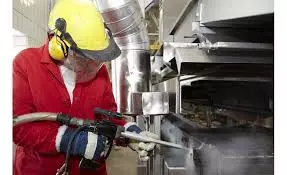
How Dry Ice Blasting Works and Why It’s Becoming a Game-Changer in Industrial Cleaning
Cleaning industrial equipment and surfaces is essential for smooth operations, safety, and product quality. Traditional methods like sandblasting, chemical washes, or water jetting often cause damage, generate waste, or require long downtimes. Dry ice blasting offers a fresh approach that overcomes many of these issues by cleaning thoroughly without abrasion or moisture.
But what exactly is dry ice blasting? How does it clean so effectively? And why are more industries adopting this technology? In this article, you’ll discover how dry ice blasting works and why it’s rapidly gaining popularity.
What Is Dry Ice Blasting?
Dry ice blasting is a cleaning process that uses small pellets of solid carbon dioxide (dry ice) accelerated by compressed air to clean surfaces. These pellets impact contaminants like grease, paint, mold, or dirt and remove them without damaging the underlying material.
Unlike sand or grit blasting, dry ice sublimates—turning directly from a solid to a gas—upon impact. This means there is no leftover blasting media, and no secondary waste to clean up. The process is dry, non-toxic, and environmentally friendly.
How Does Dry Ice Blasting Work?
Dry ice blasting cleans through a combination of physical effects:
- Mechanical Impact: The dry ice pellets hit the surface at high speed, physically dislodging contaminants.
- Thermal Shock: Dry ice is extremely cold (-78.5°C). When it contacts warmer contaminants, the rapid cooling causes the contaminants to shrink and crack.
- Sublimation Expansion: Upon impact, the pellets instantly sublimate and expand about 700 times in volume as carbon dioxide gas. This expansion helps lift contaminants off the surface.
Together, these effects allow dry ice blasting to remove dirt and grime without abrasive damage or moisture.
Advantages of Dry Ice Blasting
Dry ice blasting offers many benefits over traditional cleaning techniques:
- No Secondary Waste: The dry ice evaporates, so only the contaminants need disposal.
- Moisture-Free: Ideal for electrical components and moisture-sensitive surfaces.
- Non-Abrasive: Does not wear down or scratch surfaces, preserving delicate parts.
- Environmentally Friendly: Uses recycled CO₂ and produces no harmful residues or chemicals.
- Fast and Efficient: Often cleans equipment without disassembly, reducing downtime.
- Food-Safe: Approved for use in food processing and pharmaceutical environments.
Common Uses Across Industries
Dry ice blasting is versatile and used in many sectors:
- Food and Beverage: Cleaning ovens, conveyors, and mixers without water or chemicals.
- Automotive and Aerospace: Removing grease, paint, and carbon deposits from engines, molds, and parts.
- Electronics and Electrical: Cleaning circuit boards and electrical panels safely.
- Manufacturing: Maintaining molds, robotic arms, and conveyor belts.
- Printing: Removing ink and dust from presses and rollers.
- Historic Restoration: Gently removing soot and paint from delicate surfaces.
Limitations and Considerations
Despite its advantages, dry ice blasting has some limitations:
- Equipment Costs: Initial investment in blasting machines can be high.
- Dry Ice Supply and Storage: Dry ice sublimates over time and needs proper insulated storage.
- Ventilation Requirements: CO₂ gas released during blasting necessitates adequate airflow.
- Not Suitable for All Contaminants: Very thick or sticky residues might require additional cleaning.
Is Dry Ice Blasting Right for Your Facility?
If your operation requires fast, thorough cleaning without moisture or abrasion, dry ice blasting could be a perfect fit. It excels where traditional methods risk damaging equipment or introduce unwanted chemicals.
Many businesses start by outsourcing dry ice blasting services to evaluate effectiveness before purchasing equipment.
Conclusion
Dry ice blasting is revolutionizing industrial cleaning by combining impact, cold shock, and sublimation to clean surfaces quickly and safely. Its eco-friendly, non-abrasive, and residue-free nature makes it an attractive choice across industries.
As companies seek cleaner, more efficient, and less wasteful cleaning methods, dry ice blasting continues to grow in popularity. Whether in manufacturing, food processing, electronics, or restoration, this innovative technique is shaping the future of industrial maintenance.