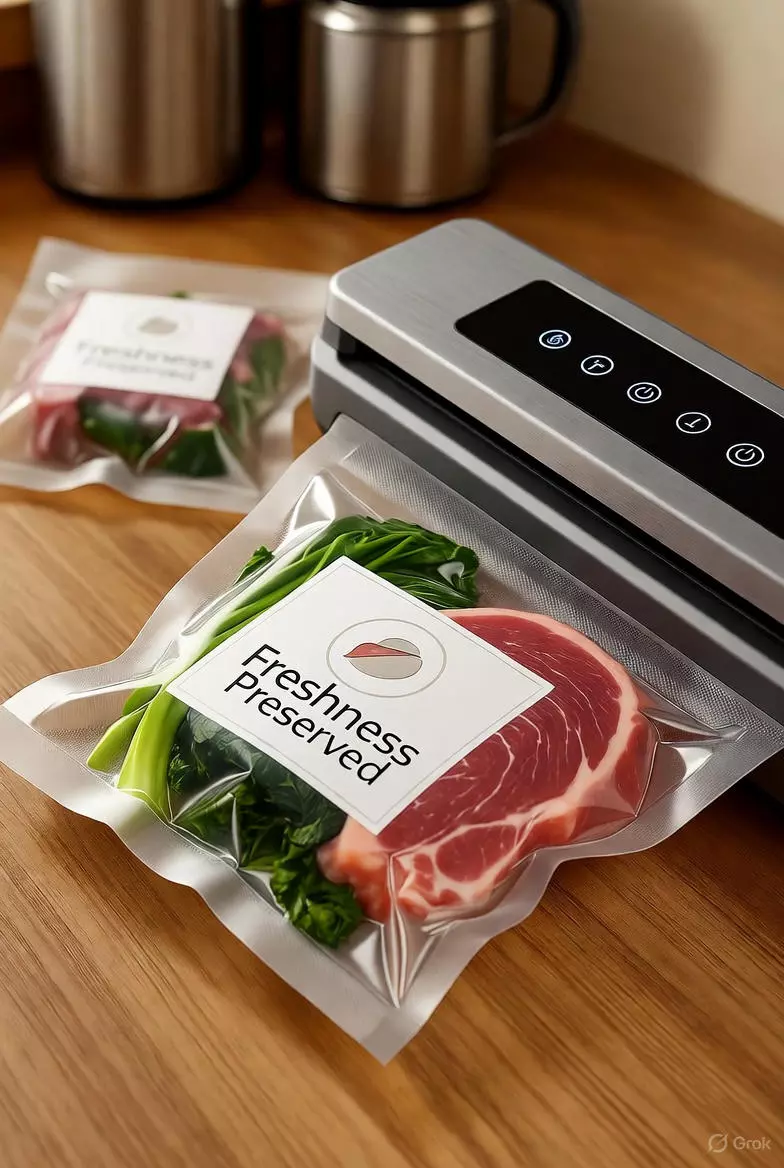
Maximize Food Freshness with Vacuum Sealing: Practical Guide
Food spoils fast, flavors fade, and your freezer fills with freezer-burned packages. You waste money and time. With reliable vacuum sealing, food stays fresher longer, texture holds, and you save both money and effort. So, vacuum sealing not only improves food freshness, it also increases the shelf life of your food.
In this guide, I’ll explain how vacuum sealing works, how to choose the best food vacuum sealer, and practical Foodsaver tips and tricks. After reading, you’ll know how to store smarter and keep food tasting great.
How vacuum sealing preserves food quality
Vacuum sealing functions on the basis of eliminating the air that promotes oxidation and the growth of microorganisms. Oxygen dissolves fats, colors, and allows bacteria and molds to proliferate. Once the air is pumped out and the bag is closed, the chemical reactions are reduced, and pests do not have any oxygen to consume. This prolongs the refrigeration life of foods and considerably minimizes freezer burns of frozen foods.
Vacuum sealing also keeps flavor and aroma intact, besides preservation. Spices, coffee, and herbs retain their aroma. Prepared food still has some wetness and texture. To gardeners, correctly vacuum-packed produce lasts almost a month once it is packaged and tastes almost fresh a month later.
Choosing the right vacuum sealer for your needs
The choice of the most appropriate vacuum sealer for food relies on how you would use it. In the case of daily domestic kitchens, a small unit with automatic sealing, pulse control, and positioning with vacuum seal roll bags is desirable. These characteristics allow you to package items that are delicate without crushing them and create a custom-sized pouch.
When you require a best-rated vacuum sealer that is used frequently, look for models with stronger motors, outside hose connections on canisters, and replaceable gaskets.
Professional-grade machines usually have a moist mode and an in-built cutter. The popularity of Foodsaver-branded units is due to the balance between price and performance features; the units also have accessories, such as jar sealers and specialized bags.
For sous-vide cooks, the ability to seal wet foods without drawing liquids into the pump is essential. Pulse control, pre-freezing liquids, or using a water displacement method are common workarounds. Take time to compare seal strength, ease of alignment, and warranty when you choose.
Bags and accessories: what to buy
Not every bag is the same. Vacuum freezer bags are sturdier and will not be punctured by a bone or a sharp edge. Vacuum seal roll bags allow you to make your own length and save waste. They are available in some markets with non-rop sealer bags; ensure that they fit with your machine before purchase.
There are reusable vacuum bags used as food storage bags, although they are more suitable for dry goods. When storing meat in the long term, opt to use heavy-duty vacuum freezer bags that do not succumb to freezer brittleness.
Add-ons such as canisters, jar seals, and bottle stoppers add to what you can conserve. These options are unlocked by a vacuum sealer that has an external port and is capable of sealing jars or marinating faster.
Best foods to vacuum seal
Use vacuum sealing strategically. The following items get the most benefit:
- Meat and fish for long-term freezing; portion first and double-seal to prevent leaks.
- Vegetables after blanching; freeze flat for space efficiency.
- Cheese stored with a gentle vacuum or cheese protector sheets.
- Dry goods like rice, nuts, and coffee should be stored to reduce oxidation and pests.
- Cooked meals and soups that are cooled and pre-frozen to avoid seal contamination.
This single-focused list helps you prioritize what to pack first and how to handle each food type to maximize freshness.
Step-by-step sealing best practices
Begin by choosing the correct bag type for your item. Pat foods dry before sealing and leave adequate headspace at the top of a bag. For wet foods, consider pre-freezing or using the machine’s moist-food setting. Align the bag lip cleanly in the sealer channel; crumbs or moisture will break seals. When dealing with sharp items, wrap them in parchment or use thicker roll bags. After sealing, label and date every pack so you rotate older items first.
For tricky cases like soups, fill shallow trays and freeze until solid, then seal. For delicate fruits and berries, partial vacuum or marinating in syrup before freezing can preserve texture. Always test a new bag or model with a small trial pack so you learn the machine’s nuances.
Foodsaver tips and tricks
Food savers work best when paired with consistent habits. Double-seal fatty meats to prevent leaks. Use vacuum seal roll bags to avoid waste, and match the pack size to use. For sous vide, clip the bag above the seal and use a water displacement method if your sealer struggles with liquids.
Keep a cleaning routine: wipe the seal bar, empty the drip tray, and inspect gaskets. Replace worn parts promptly to keep vacuum strength high. Finally, keep an inventory list on the freezer door to avoid forgotten packs.
If you package products for sale or gifting, consider pairing vacuum-packed inner bags with branded outer packaging. For example, pairing sealed pouches with Personalized die cut mylar bags can boost shelf appeal and offer barrier protection for retail items.
Storage timelines and safety
Vacuum sealing slows decay but does not make items shelf-stable unless they are dried or otherwise preserved. Refrigerated vacuum-packed raw meat still needs prompt use within recommended times. In the freezer, vacuum sealing typically extends storage time by two to three times compared to loose wrapping, but fatty items degrade sooner than lean ones. Thaw safely in the refrigerator or under cold running water. Never refreeze fully thawed meat without cooking it first.
When not to vacuum seal
Full vacuum is not suitable for some foods. Lettuce greens are wilted, and tender fruits are trodden. Gases are produced during the fermentation of foods and may cause cans to swell, and so it is not recommended to ferment active ferment without a vented container. Mushrooms with high moisture content are degraded; they are blanched or freeze dried in part. In uncertainty, experiment with small samples and change procedures.
Buying guide summary
To the average domestic cook, a mid-price model, including automated functionality, pulse control, and roll-bag attachment, is a good option. To be used heavily, use strong motors, external ports, and light servicing. Check the warranty and reputation of customer service. Fancy bags and a simple routine will achieve better results than the best machine.
If you sell or distribute vacuum-packed items at scale, partner with suppliers for custom packaging solutions. Brands that use vacuum-packed inner bags often top them with attractive outer packs. For high-volume needs, explore options like custom Wholesale mylar bags to match your brand and storage specs. Make sure any outer packaging complies with food safety and labeling rules.
Which vacuum sealer is best for occasional home use?
Select a small Foodsaver-like device that has an auto-seal and pulse mode. It must be able to accommodate roll bags of any size and be simple to wash.
Can vacuum sealing make food last indefinitely?
No. Vacuum sealing has a tremendous effect by preserving shelf life by slowing down oxidation and freezer burn; however, microbial growth is not eliminated. Adhere to the suggested timelines for refrigerating and freezing.
Are vacuum-sealed foods safe for sous vide?
Yes. Most vacuum-sealed bags can be sous vide. Always use bags that can withstand heat and use strong seals. In case of liquid, pre-freeze or apply some kind of water displacement so that there is no suction of liquid into the machine.
How do I prevent seal failures?
Wipe the sealing channel dry, no wrinkles at the seal, and the lip of the bag is dry. Check and change frayed gaskets, and can test with a small seal.
Bottom Line
Vacuum sealing is an efficient, convenient technology that helps to extend food freshness. You reduce waste, save money, and have healthier-tasting food with the correct machine, quality bags, and a few habits. Begin with the most beneficial ones, label the dates, and keep your sealer. In the long run, these easy measures will reorganize your food storage practice and simplify the preparation of food, making it more cost-effective.