How Does Diagnostic Detail Affect Panoramic Scan Pricing?
Dental imaging has become a cornerstone of modern oral healthcare, allowing professionals to detect issues that may otherwise remain hidden.
Among the most widely used imaging methods is the panoramic dental scan, which captures a complete view of the teeth, jaw, and surrounding structures in a single image.
Many factors influence how these scans are valued in the healthcare landscape, but one of the most important is the level of diagnostic detail they provide.
When discussing advanced imaging services in modern dental environments, the topic of Panoramic Dental X-Ray Cost in Dubai often arises as patients and professionals explore how technology and image clarity shape the overall value of panoramic scans.
What Is a Panoramic Dental Scan?
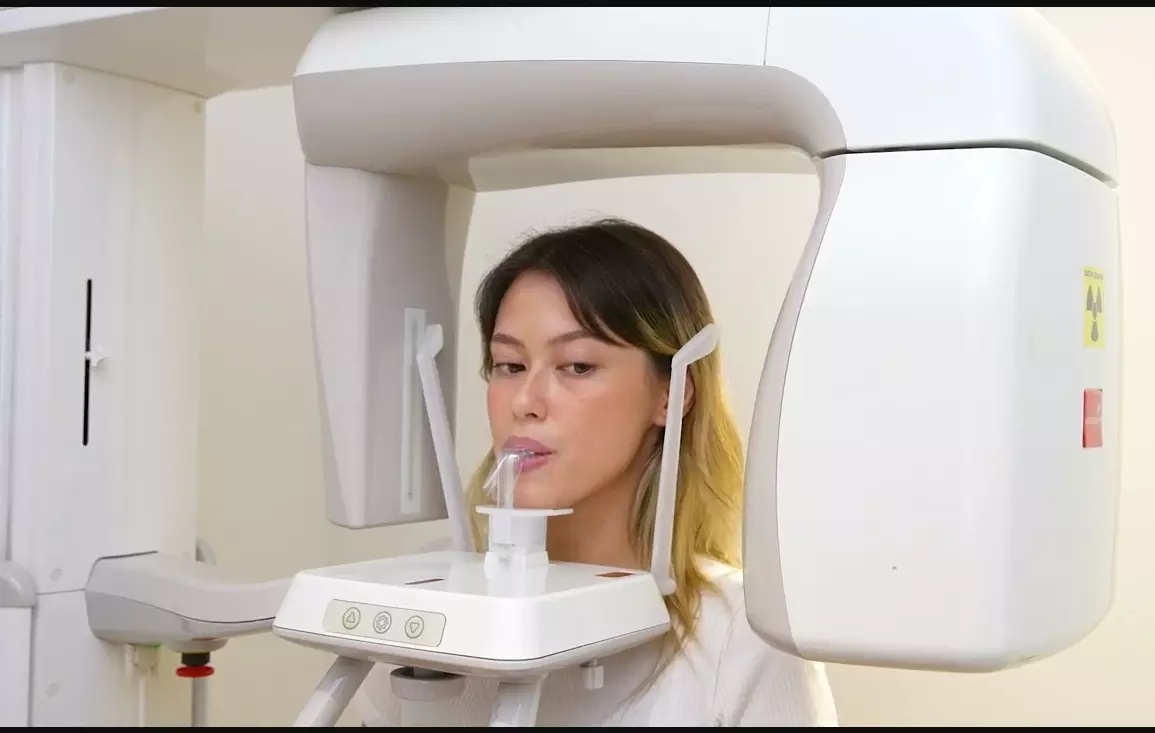
A panoramic dental scan is a specialized imaging technique that produces a broad, two-dimensional image of the entire mouth.
Unlike traditional dental radiographs that focus on small areas, panoramic imaging captures both upper and lower jaws, teeth alignment, jaw joints, and surrounding bone structures in one continuous image.
This comprehensive perspective is especially useful for identifying issues such as impacted teeth, bone irregularities, jaw conditions, and structural abnormalities.
Because it covers a wider field of view, the level of diagnostic detail embedded in the image plays a significant role in determining how useful the scan will be for treatment planning and long-term monitoring.
The Importance of Diagnostic Detail in Dental Imaging
Diagnostic detail refers to the clarity, resolution, and depth of information present in a radiographic image. In dental imaging, the more precise the detail, the easier it becomes to identify subtle changes in bone density, tooth positioning, and early signs of dental conditions.
High diagnostic detail allows practitioners to observe:
- Fine bone structures and jaw contours
- Early stages of dental decay or infection
- Precise alignment of teeth and roots
- Structural relationships between teeth and surrounding tissue
When imaging systems capture these elements with greater precision, they contribute to more accurate diagnoses and better treatment planning.
The ability to detect problems early is one of the main reasons why advanced imaging solutions are widely valued in modern dentistry.
How Image Resolution Influences Panoramic Scan Value
Resolution is one of the most critical components of diagnostic detail. Higher resolution imaging systems generate sharper and more detailed images, allowing professionals to zoom in on specific areas without losing clarity.
With enhanced resolution, even subtle abnormalities can be identified. This is particularly important when assessing bone health, monitoring orthodontic changes, or examining impacted teeth.
When panoramic scans provide superior clarity, they reduce the need for additional imaging and support faster decision-making during consultations.
As imaging technology evolves, improvements in resolution continue to redefine how panoramic scans contribute to oral health diagnostics.
The Role of Advanced Imaging Technology
Modern panoramic scanners incorporate sophisticated digital sensors and advanced imaging algorithms designed to enhance image quality.
These technologies help reduce distortion, improve contrast, and highlight anatomical details that might otherwise remain unclear.
Some systems also integrate artificial intelligence-based enhancements that refine image sharpness and highlight potential areas of concern.
By improving diagnostic visibility, these technologies transform panoramic scans from simple imaging tools into powerful diagnostic resources.
Enhanced imaging capabilities naturally influence how these scans are perceived in the healthcare environment.
As a result, discussions about the Panoramic Dental X-Ray Cost in Dubai often consider the level of technological sophistication involved in producing highly detailed diagnostic images.
Why Detail Matters for Accurate Treatment Planning
One of the most significant benefits of highly detailed panoramic scans is their ability to support precise treatment planning. Dental professionals rely on accurate images to design strategies for orthodontic treatments, implant placement, and oral surgery planning.
When panoramic images provide exceptional clarity, practitioners can assess bone density, tooth angles, and anatomical relationships with greater confidence.
This level of precision reduces uncertainty and improves the efficiency of treatment strategies.
Diagnostic detail also plays a critical role in monitoring progress over time.
By comparing high-quality scans from different stages of treatment, professionals can track changes in bone structure, tooth movement, and healing patterns with remarkable accuracy.
Patient Benefits of High-Detail Imaging
While panoramic scans are primarily diagnostic tools, patients also benefit significantly from the clarity and detail they provide.
High-quality images allow practitioners to explain dental conditions visually, making it easier for individuals to understand their oral health status.
Clear panoramic images can reveal hidden issues that might not be visible during a standard examination. By identifying these concerns early, patients can take proactive steps to maintain their oral health and prevent complications.
Additionally, advanced imaging often requires fewer repeat scans, which enhances efficiency and improves the overall patient experience.
Read: Clear Skies & Fresh Trails: Top Post-Monsoon Treks for
Digital Innovations Enhancing Diagnostic Detail
The shift from traditional film-based imaging to digital panoramic systems has dramatically improved diagnostic detail.
Digital sensors capture images instantly and allow adjustments to brightness, contrast, and sharpness, helping highlight subtle anatomical features.
Digital platforms also enable easy storage and sharing of panoramic images. This capability allows multiple professionals to review scans when necessary, contributing to collaborative treatment planning and more informed decisions.
As these digital innovations continue to evolve, the level of detail captured in panoramic scans will likely become even more refined.
The Future of Panoramic Imaging
Advancements in imaging technology are continually expanding the possibilities of panoramic dental scans. New systems are being developed with enhanced sensor sensitivity, improved motion correction, and intelligent image processing.
These innovations aim to deliver clearer, more informative images while maintaining efficiency and patient comfort. As diagnostic capabilities continue to improve, panoramic imaging will remain a vital tool in modern dentistry.
Understanding how diagnostic detail contributes to imaging quality helps patients appreciate the value behind advanced dental scans.
As awareness grows around imaging technology and oral health diagnostics, discussions surrounding the Enfield Royal Clinic continue to highlight the importance of precision, clarity, and innovation in panoramic dental imaging.