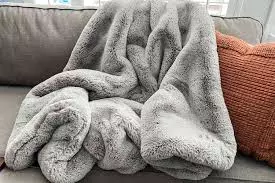
How Do You Choose the Softest Throw Blanket for Your Home?
On a chilly evening, snuggling up in a luxuriously fluffy throw blanket is unmatched. Finding the perfect mix of quality and comfort might be difficult with so many alternatives available. Knowing about fabrics, weave patterns, and quality factors is vital whether adding warmth to your couch or decor to your bed.
Cheap Throws UK has a great range of high-quality blankets at a fraction of the designer price for the budget-conscious luxury seeker. Eight key features to choose your ideal throw blanket are covered in this manual, so you may locate that perfect combination of softness, durability, and style to improve your interior design while experiencing great comfort.
Weight and Density Considerations
Your aim defines the ideal weight. While medium weights offer constant flexibility, lightweight throws fit decor or warm summer evenings. Heavy throws offer that fuzzy weighted blanket feel for pure coziness. Still, density is more significant than sheer weight: a well-made mediumweight throw can be more flexible than a heavy, stiff blanket.
Think about whether you want a heavier wrapping or a light, airy vibe. Good throws keep thermal value while being lightweight enough for simple adjusting, yet heavy enough to be meaningful.
Size and Drape for Optimal Comfort
Standard throw sizes (130x180cm) work for most sofas, but consider larger options (150x200cm) for taller users or maximum cosines. This drape quality affects comfort and appearance; ideally, it drapes stunningly around the edges of furniture without stiffness. Longer throws provide excellent shoulder wrapping while narrower options drape over chairs.
Weight distribution impacts the overall feel of the blanket when used - it should not slip off easily, but neither should it restrict movement. To use on a bed, the size must ensure it covers adequately without overwhelming the proportions of your mattress. The most effective throws blend functional measurements with smooth movement for easy styling and utilization.
Color and Design Impact
Although not tangible, aesthetic appeal enhances the overall impression. Dark colors tend to exhibit pet hair more, impacting perceived cleanliness. Textured designs may introduce tactile interest beyond solid weaves. Think about your current furnishings, neutral color provides versatility or statement colors make bold declarations.
Ombre dyes or muted sheens can upgrade a simple throw from decidedly basic to completely luxurious. Some designs feature different knitting techniques that build in softness in the varied textures. Remember that extremely inexpensive printed designs may be a little bit stiffer than dyed-through fabrics. The most satisfying throws please both the eye and the touch at the same time.
Care Requirements and Maintenance
Easy-care throws retain their softness with minimal fuss. Machine wash (ideally at 30°C) alternatives are more convenient to use than dry-clean ones. Colorfast certification will stop fading. Fabrics such as those requiring occasional fabric conditioner to stay soft exist, as well as others (such as wool) needing special detergents.
Excessive tumble drying will spoil the fibers. Correct storage off-season eliminates mustiness - breathable cotton bags are suitable. Quick-refresh alternatives, such as steam cleaning, allow gaps between washings. The simplest-care throws will very often prove to yield the greatest value over time, looking stunning with regular upkeep instead of requiring special care.
Hypoallergenic Characteristics for Delicate Skin
Material choice is more and more crucial for anyone with allergies or sensitive skin. Often, producing softness without allergy problems is synthetic microfiber throws. Although remaining incredibly soft, bamboo textiles naturally repel dust mites and fungus. Stay away from cheap acrylic combinations that might pill or irritate skin with time.
Choose certified items to make sure they include none of harmful substances. For most people, softness has become inexpensive, with many low-cost throws being manufactured using anti-allergenic treatments. If you have particular sensitivities, be sure to read the care labels.
Conclusion
You know that the ideal soft blanket incorporates various factors, ranging from basic maintenance requirements to fiber types in its fabric. While natural fibers offer unmatched softness, advanced technologies in manufacturing allow incredibly cheap substitutes to provide almost the same level of comfort without hurting your budget.
So, from personal needs regarding hypoallergenic features, low maintenance, or texture, all the way down to requirements where the throw should be a treasured possession for years of everyday comfort, begin to narrow your search for that ideal throw.
That, after all, will be the softest throw at last: the one that most frequently drapes over you. Functional and sensory needs must be provided for. These criteria will direct thoughtful choice toward a blanket that will prove a cherished part of your home's comfort for many years.