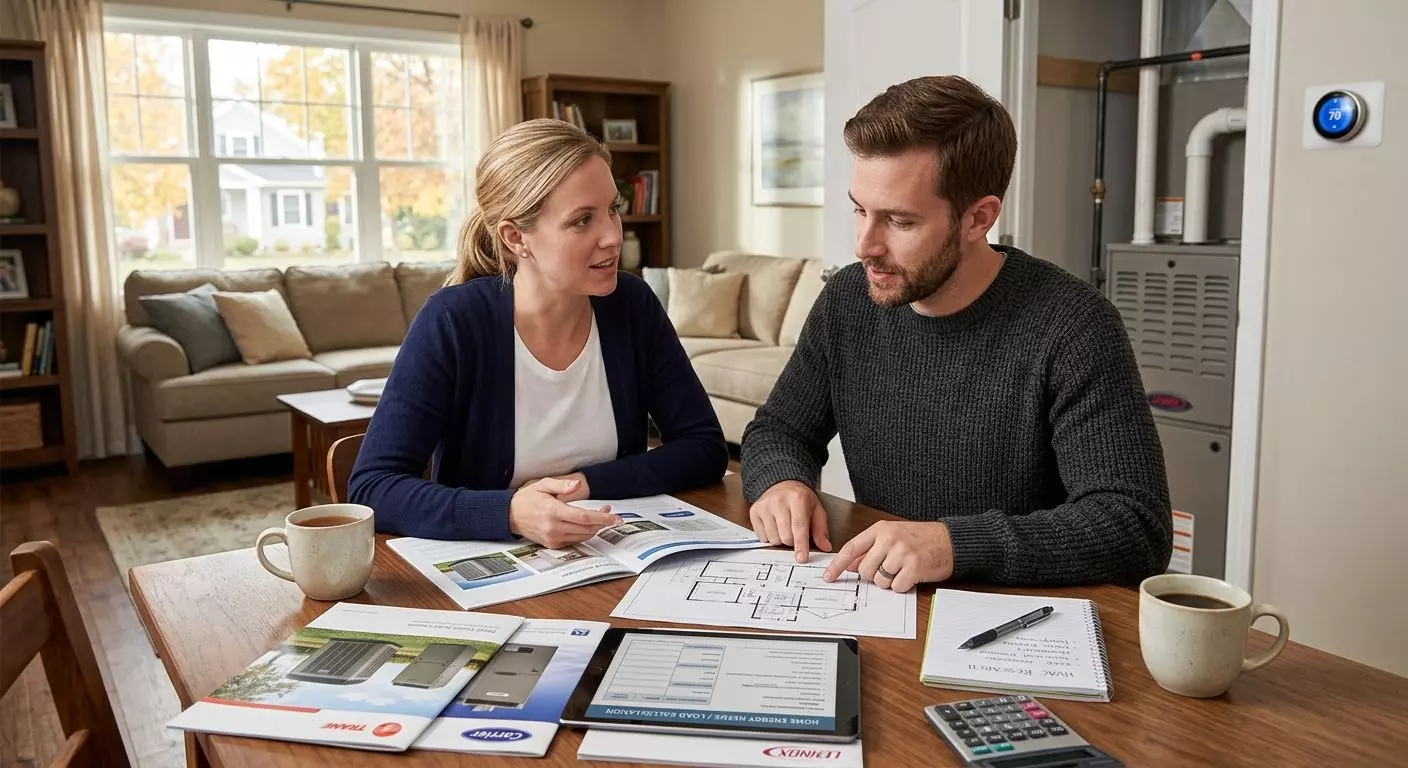
How Do You Choose the Right HVAC Equipment for Home?
Choosing a heating and cooling system is an important decision for any homeowner because the right system can improve comfort and control energy use.
The right HVAC Equipment should match the home's size, climate, comfort needs, energy goals, and budget.
A system that looks affordable at first may cost more over time if it is poorly sized, inefficient, or difficult to maintain. On the other hand, choosing the most expensive equipment does not always guarantee better results.
The goal is to find a system that provides reliable performance without unnecessary costs.
The AC Outlet helps homeowners understand their options and make informed decisions before investing in a new heating or cooling system. From system size to efficiency and installation quality, several factors can affect how well HVAC equipment performs.
What Should Homeowners Consider Before Choosing HVAC Equipment?
Before comparing brands and prices, homeowners should look at the needs of the property. Every home is different. A system that works well in one house may not be the right choice for another.
The home's size, insulation, windows, ductwork, local weather, and daily heating and cooling needs can all affect equipment selection.
Home Size and Layout
The size and layout of a home are important starting points. A larger home usually requires more heating and cooling capacity, but square footage alone should not determine the equipment size.
Rooms with large windows, high ceilings, poor insulation, or strong sunlight may have different heating and cooling needs from other areas of the house.
A professional HVAC assessment can provide a more accurate idea of the required capacity. This helps prevent the common mistake of choosing equipment simply because it has a higher capacity.
Existing Ductwork
For homes with central heating and cooling, existing ductwork should also be inspected. Leaky, damaged, or poorly designed ducts can reduce system performance.
Even high-quality equipment may struggle to deliver comfortable temperatures if conditioned air is lost before reaching the rooms.
Before replacing an existing system, homeowners should ask whether the current ductwork is suitable for the new equipment.
How Does HVAC Equipment Size Affect Home Comfort?
Equipment size has a major effect on comfort and performance. Choosing a system that is too small can cause it to run for long periods while struggling to reach the desired temperature.
An oversized system can create a different set of problems. It may turn on and off too frequently instead of running long enough to provide consistent comfort. In cooling systems, this can also affect humidity control.
The right size should be based on the home's actual heating and cooling requirements rather than a simple guess.
Why Oversizing Can Be a Problem
Many homeowners assume that a larger system will cool or heat a home faster and therefore provide better performance. However, bigger is not always better.
An oversized system can lead to:
- Uneven temperatures between rooms
- More frequent starting and stopping
- Unnecessary energy use
- Reduced comfort
- Poor humidity control in some homes
- Increased equipment wear
Proper sizing helps the system operate closer to the way it was designed.
Why Undersizing Can Also Cause Problems
An undersized system may need to operate continuously during extreme weather. This can increase energy use and place additional stress on the equipment.
Homeowners may also notice that some rooms never reach the desired temperature.
For this reason, the best approach is to have the heating and cooling load evaluated before purchasing new equipment.
Read: Find the Best HVAC Solutions for Your Comfort!
Which Type of HVAC Equipment Is Right for a Home?
Different homes require different types of heating and cooling systems. The most suitable option depends on the home's design, climate, existing infrastructure, and homeowner preferences.
Common options include central air conditioners, heat pumps, furnaces, air handlers, ductless mini-splits, and packaged systems.
Central Air Conditioning
Central air conditioning is a common option for homes with existing ductwork. It can cool multiple rooms through a connected duct system.
This type of system may be a good choice when the home already has suitable ducts and the homeowner wants whole-home cooling.
Heat Pumps
Heat pumps can provide both heating and cooling from one system. They move heat rather than creating it in the traditional way.
For homeowners looking for one system that can handle multiple comfort needs, a heat pump can be an option worth considering.
Furnaces
Furnaces are commonly used for heating and can work alongside a central air conditioner. They are available in different efficiency levels and fuel types.
The right furnace depends on the home's heating requirements, available fuel source, climate, and existing system design.
Ductless Mini-Splits
Ductless systems can be useful in homes without existing ductwork or in areas where individual temperature control is needed.
They can also work well for additions, converted rooms, garages, and spaces that are difficult to connect to a central duct system.
How Important Is Energy Efficiency When Choosing HVAC Equipment?
Energy efficiency should be an important part of the buying decision. A more efficient system can use less energy while providing the required heating or cooling.
However, homeowners should not choose equipment based only on the highest efficiency rating available. The additional upfront cost should be compared with expected energy savings and how long the system is expected to remain in service.
Understanding Efficiency Ratings
Different HVAC systems use different ratings to show efficiency. Cooling equipment may use ratings such as SEER2, while heating equipment can use ratings such as AFUE or HSPF2 depending on the system type.
These numbers can seem confusing at first, but their basic purpose is simple: they help homeowners compare how efficiently different equipment operates.
The AC Outlet can help homeowners understand these specifications and determine which features are relevant to their property.
Should Homeowners Always Buy the Highest Efficiency?
Not necessarily.
A premium system can have a higher upfront price. If a homeowner does not use the system often, the additional cost may take longer to recover through energy savings.
A mid-range system may provide a better balance between purchase price, operating costs, comfort, and long-term value.
The best choice depends on the home's usage, local climate, energy prices, and expected length of ownership.
What Features Should Homeowners Look for in HVAC Equipment?
Modern HVAC systems can include many features designed to improve comfort, efficiency, and control. However, not every feature is necessary for every home.
Homeowners should focus on features that solve a real comfort or efficiency need.
Variable-Speed Operation
Variable-speed equipment can adjust its output instead of operating only at full capacity. This can help provide more consistent indoor temperatures and quieter operation.
It may also help the system respond better to changing comfort needs.
Two-Stage Operation
Two-stage systems can operate at different output levels. This allows the system to run at a lower capacity when full power is not needed.
For some homes, this can improve comfort and reduce unnecessary energy use.
Smart Thermostat Compatibility
A smart thermostat can give homeowners more control over temperature schedules and system operation.
However, compatibility should be confirmed before purchasing. Some advanced HVAC systems require specific controls to use all available features.
How Much Does HVAC Equipment Cost?
The purchase price is only one part of the total cost. Homeowners should consider installation, future maintenance, energy use, repairs, and expected equipment life.
A low-priced system may not always provide the lowest long-term cost.
Compare the Complete Installation Cost
Homeowners should ask for a detailed estimate that explains what is included.
The estimate may include:
- Equipment
- Labor
- Removal of old equipment
- Ductwork repairs
- Electrical work
- Thermostat installation
- Drainage modifications
- Startup and testing
- Warranty information
Comparing complete proposals makes it easier to understand the actual value of each option.
Consider Long-Term Operating Costs
Energy consumption can make a significant difference over the life of an HVAC system. A slightly higher purchase price may make sense if the equipment provides meaningful efficiency improvements and is expected to operate for many years.
The best decision is usually based on total ownership cost rather than the initial price alone.
Why Is Professional HVAC Installation Important?
Even high-quality HVAC equipment can perform poorly when it is installed incorrectly.
Installation affects airflow, efficiency, reliability, and comfort. The equipment should be installed according to manufacturer requirements and matched correctly with the rest of the system.
Proper System Matching
For systems with multiple components, the indoor and outdoor equipment should be compatible.
A mismatched system may not deliver the expected efficiency or capacity. Homeowners should ask the installer to confirm that the selected components are designed to work together.
Airflow and Ductwork
Correct airflow is another important part of installation. Poor airflow can reduce comfort and make the system work harder.
The installer should check duct connections, filters, vents, and other airflow-related components.
System Testing
After installation, the system should be tested to make sure it operates correctly.
Homeowners should understand the thermostat settings, maintenance requirements, warranty coverage, and basic system operation before the job is considered complete.
What Questions Should Homeowners Ask an HVAC Contractor?
Before approving an HVAC installation, homeowners should ask clear questions. This can prevent misunderstandings and make it easier to compare contractors.
Useful questions include:
- What size system does the home actually need?
- How was the equipment size determined?
- What efficiency rating does the system have?
- Are the indoor and outdoor components properly matched?
- Does the existing ductwork need repairs?
- What is included in the installation price?
- What parts and labor are covered by the warranty?
- What maintenance will the system require?
- How long is the expected installation process?
- What should the homeowner expect in yearly operating costs?
A professional contractor should be willing to explain the answers in simple terms.
How Can Homeowners Avoid Common HVAC Equipment Mistakes?
Choosing new equipment can be confusing, especially when homeowners are presented with many brands, prices, ratings, and features.
Several common mistakes can be avoided with proper planning.
Choosing Only by Price
The cheapest option may not offer the best long-term value. Equipment quality, efficiency, installation, warranty, and maintenance should all be considered.
Choosing Only by Brand
Brand reputation can matter, but it should not be the only deciding factor. A properly sized and correctly installed system can be more important than simply choosing the most familiar name.
Ignoring Maintenance
Even good HVAC equipment needs regular maintenance. Dirty filters, blocked airflow, and neglected components can reduce system performance.
Regular professional inspections can help identify problems before they become expensive repairs.
Skipping a Professional Evaluation
A homeowner may know the size of the house but still lack the information needed to select the correct equipment capacity.
A professional evaluation can consider factors that are easy to overlook, including insulation, windows, ductwork, climate, and room layout.
Is New HVAC Equipment Worth the Investment?
For homeowners with an aging, inefficient, or frequently repaired system, replacing the equipment can provide several benefits.
New equipment may improve comfort, reduce energy consumption, provide better temperature control, and include updated technology.
However, replacement should be based on the condition and performance of the existing system rather than age alone.
If an older system still operates reliably and efficiently, continued maintenance may be a practical option. If repair costs are increasing and comfort or efficiency is declining, replacement may make more financial sense.
How Can The AC Outlet Help With HVAC Equipment Selection?
Choosing HVAC equipment does not have to be a confusing process. Homeowners can start by understanding their property's heating and cooling requirements and then compare equipment based on size, efficiency, features, installation, and long-term costs.
The AC Outlet can help homeowners evaluate their HVAC needs and understand the options available for their homes. Professional guidance can make it easier to avoid incorrect sizing, unnecessary features, and unexpected installation costs.
The goal is not simply to purchase a new system. The goal is to select equipment that works well with the home and provides dependable comfort for years.
What Is the Best Way to Choose HVAC Equipment for a Home?
The best approach is to start with the home rather than the equipment. Homeowners should first understand the property's heating and cooling needs, then determine the appropriate system type and capacity.
After that, efficiency ratings, features, installation requirements, warranty coverage, and total ownership costs can be compared.
A well-sized system with appropriate efficiency and professional installation can provide better value than an expensive system that is poorly matched to the home.
The AC Outlet can guide homeowners through this process by helping them understand their options and focus on equipment that fits their actual needs.
Conclusion
Choosing the right HVAC equipment requires more than comparing prices or selecting the largest system available.
Homeowners should consider the size and layout of the property, existing ductwork, climate, comfort requirements, efficiency, installation quality, and long-term operating costs.
Proper sizing should remain a priority because an oversized or undersized system can affect comfort, efficiency, and equipment life. Homeowners should also compare complete installation proposals and understand what is included before making a final decision.
The AC Outlet can provide professional guidance to help homeowners make a practical and informed HVAC decision.
With the right equipment, proper installation, and regular maintenance, a home can have dependable heating and cooling while maintaining better comfort and long-term value.
Here, you can find more articles.