How Do Travel Apps Use OTP Authentication?
The travel industry has rapidly shifted toward digital platforms where customers book flights, reserve hotels, plan itineraries, and make payments through mobile applications. With millions of users accessing travel apps daily, security becomes a top priority.
Travel platforms manage personal data, passport details, payment information, and travel histories, making them attractive targets for cybercriminals.
By working with a trusted sms otp service provider in India, travel apps implement strong authentication systems that safeguard user accounts and transactions from fraud.
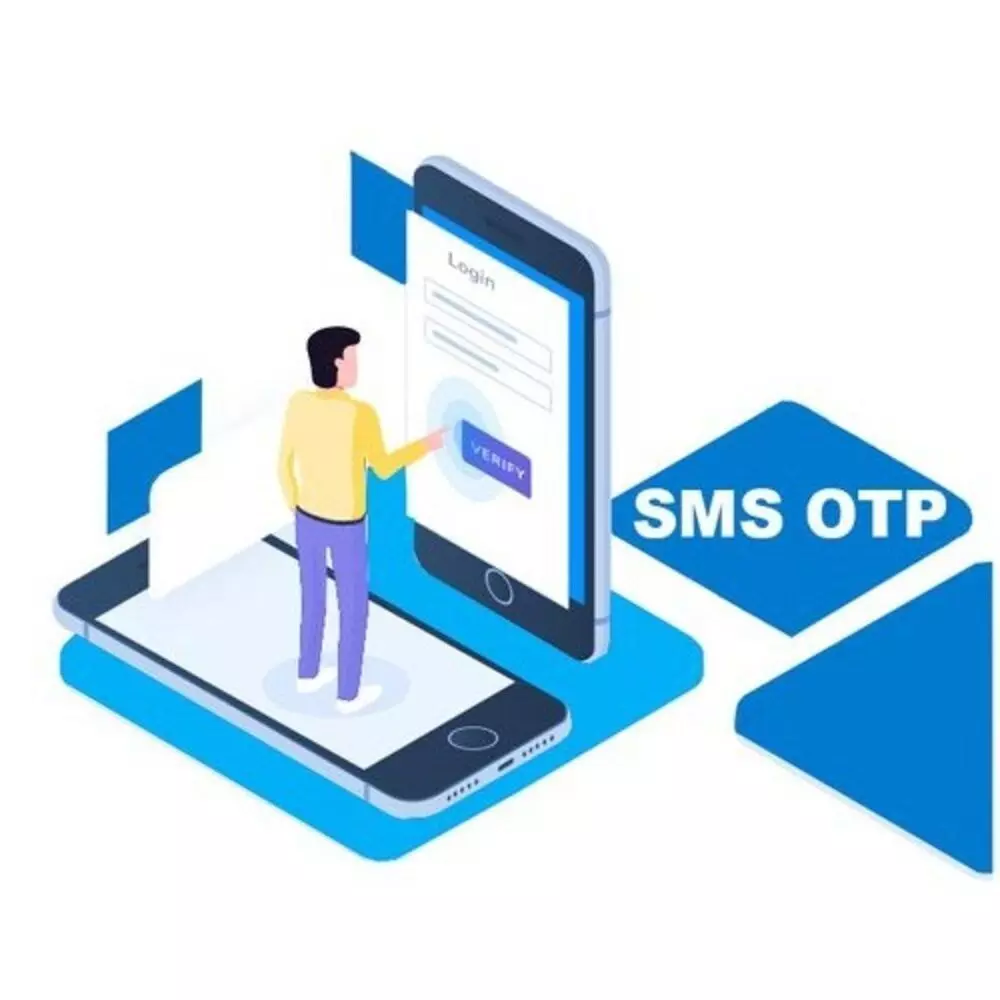
An OTP SMS Service is a secure authentication method that generates a unique One-Time Password and sends it instantly to the user’s registered mobile number via SMS.
The OTP is valid for a single login, transaction, or verification request and expires within a short time. This time-sensitive code adds an extra layer of security beyond traditional passwords, ensuring that only authorized users can access sensitive features.
Securing User Registration and Account Creation
Travel apps use OTP authentication during the user onboarding process. When a new customer signs up, the app sends an OTP to verify the provided mobile number.
This ensures that the account is linked to a valid and active phone number, reducing fake registrations and spam accounts.
Mobile number verification also establishes a secure communication channel for future updates such as booking confirmations, travel alerts, cancellation notifications, and promotional offers.
By verifying identity at the registration stage, travel apps strengthen the foundation of account security.
Protecting Login Processes from Unauthorized Access
Passwords alone are no longer sufficient to protect digital accounts. Travel apps store sensitive information including saved payment methods, passport details, and loyalty points.
OTP authentication enhances login security by adding a second verification step.
When users attempt to log in from a new device or location, the system sends an OTP to the registered mobile number. Access is granted only after the correct OTP is entered.
This prevents unauthorized logins even if passwords are compromised through phishing or data breaches. Real-time verification significantly reduces account takeover incidents.
Securing Flight and Hotel Bookings
Travel bookings often involve substantial financial transactions. Fraudsters may attempt to manipulate bookings, change passenger details, or misuse stored payment information.
OTP authentication ensures that any booking confirmation or modification requires user verification.
Before finalizing flight tickets, hotel reservations, or tour packages, the app generates a one-time password that must be validated.
This confirmation step ensures that only the legitimate user can authorize travel arrangements. It protects both customers and service providers from fraudulent bookings.
Enhancing Payment Security and Transaction Authorization
Online payments are a critical component of travel apps. Users frequently make payments for flights, accommodation, travel insurance, car rentals, and holiday packages.
OTP SMS authentication secures these financial transactions by requiring explicit approval.
When a payment is initiated, the system sends an OTP that must be entered within a limited timeframe.
This time-bound authentication prevents unauthorized fund transfers and reduces payment fraud. Even if payment credentials are stolen, transactions cannot proceed without the correct OTP.
Preventing Loyalty Points and Reward Fraud
Many travel apps offer reward programs, cashback offers, and loyalty points. These digital rewards hold monetary value and can be targeted by cybercriminals.
OTP authentication protects reward redemptions by requiring verification before points are transferred or redeemed.
By securing loyalty programs with OTP validation, travel apps prevent misuse of accumulated benefits and protect user incentives.
Securing Profile Updates and Sensitive Information Changes
Users may update passport details, contact information, or saved payment methods within travel apps. Such modifications can be exploited by attackers attempting to redirect bookings or steal personal data.
OTP authentication ensures that profile changes are verified before they are applied.
Whenever a user attempts to update critical information, the app sends a one-time password to confirm identity. This prevents unauthorized alterations and maintains data accuracy.
Protecting Cancellations and Refund Requests
Cancellations and refund processes involve financial transactions that require verification. Fraudsters may attempt to cancel bookings and redirect refunds to different accounts.
OTP authentication secures these actions by confirming that the legitimate user is initiating the request.
Before processing refunds, travel apps validate the action using an OTP, reducing fraudulent refund claims and protecting revenue streams.
Supporting Multi-Device Access and New Device Authorization
Travel apps are often accessed across multiple devices including smartphones, tablets, and laptops. OTP authentication secures new device registrations by verifying identity before granting access.
When a user logs in from an unfamiliar device, an OTP is sent to confirm authorization. This prevents unauthorized access from unknown locations and strengthens account security across platforms.
Providing Real-Time Alerts and Transparency
OTP SMS also functions as a real-time alert mechanism. If a login attempt or transaction is initiated, the OTP notification informs the user instantly.
Unexpected OTP messages act as warning signals, prompting users to take immediate action if suspicious activity occurs.
This transparency enhances trust and reassures users that their accounts are actively protected.
Ensuring Regulatory Compliance and Data Protection
Travel apps operating across regions must comply with data protection and digital payment regulations. Implementing OTP-based authentication supports compliance by ensuring strong customer verification measures are in place.
Secure authentication frameworks demonstrate commitment to protecting user data and maintaining regulatory standards.
Maintaining Seamless User Experience
Security must not disrupt convenience. OTP SMS provides strong protection while maintaining simplicity. Users only need access to their mobile phones to verify actions, making the process intuitive and efficient.
This balance between convenience and security enhances user satisfaction and encourages continued engagement with the platform.
Read: Best Bulk SMS Service in India: Spotlight on GetItSMS
Future-Proofing Travel App Security
As travel apps integrate advanced technologies such as digital wallets, AI-based itinerary planning, and contactless check-ins, authentication requirements will continue to grow. OTP SMS offers a scalable and adaptable solution that supports expanding user bases and evolving digital services.
By embedding OTP authentication into core platform architecture, travel apps ensure long-term security resilience against emerging cyber threats.
Conclusion
Travel apps use OTP authentication to secure registrations, logins, bookings, payments, profile updates, refunds, and loyalty programs.
OTP SMS strengthens account protection, prevents unauthorized transactions, reduces fraud risks, and builds user trust.
In a digital travel environment where financial transactions and personal data are constantly exchanged, OTP authentication provides a reliable, scalable, and efficient security solution that safeguards both users and businesses.