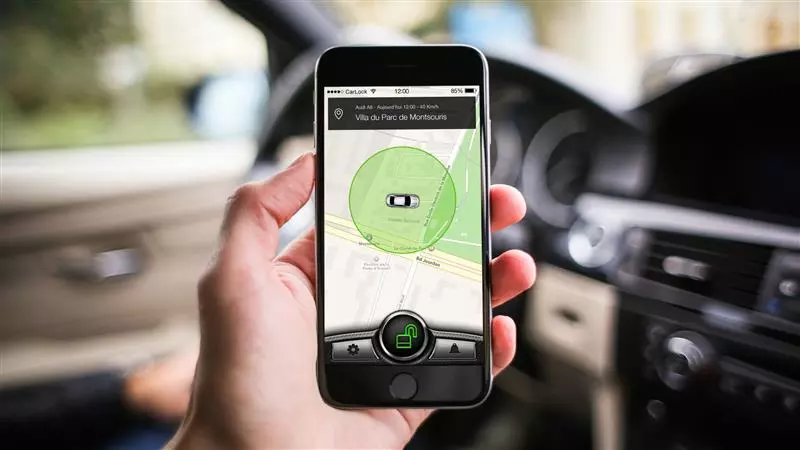
How Do Smart Vehicle Tracking Systems Work?
Smart car monitoring systems track a car's position, speed, and driving habits in immediate detail using telematics and GPS technologies. Fleet administrators and car owners may monitor motions via mobile apps or web platforms thanks to these systems, which send data to a centralised database via satellite signals and wireless networks.
Geographic boundaries, route optimisation, and damage recovery functions are also included in sophisticated monitoring solutions. Numerous contemporary tracking technologies improve effectiveness and safety by smoothly integrating with different car models. Solutions like smartrack S5 tracker guarantee accurate tracking and better vehicle administration, whether you're safeguarding an individual vehicle or maintaining a fleet.
A Smart Vehicle Tracking System: What Is It?
What is a tracking system for smart cars? A smart vehicle tracking system is a cutting-edge technological tool that monitors and controls automobiles using GPS & Internet of Things sensors. Real-time information about a vehicle's location, speed, as well as efficiency is provided by smart systems.
GPS and sensors gather this data, which is then sent to a centralised fleet management system via satellite or cellular networks. Via dashboards and smartphone apps, users may then view and examine this data, facilitating efficient vehicle control and oversight.
How Do Intelligent Car Tracking Systems Operate?
Understanding how a smart car tracking system works is essential to comprehending what it is. Hardware, software, & communication protocols are all combined to create sophisticated car tracking systems.
Information Gathering
A GPS unit mounted inside the car serves as the system's central component. To pinpoint the exact location of the car, this equipment is in constant communication with a network of satellites. A telematics device continuously gathers a wide range of information from the car, such as speed, fuel usage, engine diagnostics, as well as driver behaviour.
Analysis of Data
Cellular networks are used to send this data to a cloud-based platform. When in the cloud, the data collected is processed by advanced data analytics systems to produce insightful information including vehicle health reports, driver performance measurements, and recommendations for route optimisation.
Access for Users
A user-friendly interface is then used to display these findings to users. With features like alarm systems, geofencing, & route optimisation, the interfaces help users efficiently monitor and control their cars.
What Is Smart Vehicle Tracking Used For?
GPS Tracking in Real Time
GPS technology is used by smart car tracking devices to deliver real-time location reports. These systems enable fleet managers and automobile proprietors to precisely track movements on a computerised map by linking to satellite connections.
Integration of Telematics
Telemetry is essential to vehicle tracking systems since it gathers information about the performance of the engine, speed, and fuel consumption. Companies can maintain vehicle effectiveness and optimise their fleet operations with the use of this data.
Security with Geofencing
Owners can establish established limits for vehicles with geofencing. The system improves safety and stops illegal use by sending immediate alerts when a vehicle enters or leaves certain bounds.
Optimisation of Routes
The most efficient routes are recommended by intelligent tracking systems that evaluate road conditions. Fleet managers can increase shipping times, cut down on interruptions, and use less fuel thanks to this innovation.
Monitoring of Driver Behaviour
Driver behaviour, including as speed, hard braking, and sudden acceleration, is tracked by tracking systems. Companies can use this information to increase road security as a whole, lower rates of crashes, and enhance driver safety.
Monitoring Fuel Efficiency
Vehicle monitoring systems assist companies in detecting fuel waste and refining fuel control tactics, which lowers operating expenses, by examining fuel usage trends.
Preventing and Recovering from Theft
Tracking technologies increase the likelihood of a speedy recovery by giving law enforcement real-time location information in the event that a vehicle is stolen. Engine immobilisation is another characteristic of some systems that deters theft attempts. Alarms and remote disable features also improve safety precautions regarding possible auto theft.
Alerts for Maintenance
Autonomous upkeep alerts are provided by car tracking systems based on wear-and-tear indicators, engine diagnostics, and mileage. Regular maintenance extends a vehicle's lifespan, lowers repair costs, & prevents failures. By ensuring that cars are roadworthy, these notifications reduce downtime and maintain seamless operations.
Final Words
All things considered, intelligent car tracking systems provide a complete answer for fleet management, increasing productivity, and guaranteeing security.
Visit dzinsights for more informative blogs.