How Do Restaurants Maintain Basic Food Hygiene?
Can You Pass This Food Safety Test? Kitchen hygiene is important for ensuring the health of customers and the risk of food hygiene illness in a restaurant. Cleanliness in the kitchen, food wrapping, and cooking practice prevent the dissemination of harmful bacteria and viruses.
Sanitation is strict on all surfaces, utensils and equipment with well-trained staff. These standards are monitored by health inspectors to ensure public safety.Knowing basic hygiene helps you avoid restaurants that are not clean. It lowers your chances of getting sick and supports better food practices for everyone who eats there.
Why Is Handwashing So Critical in Restaurant Kitchens?
According to experts, handwashing is the most critical hygiene practice in restaurants, as hands can harbor and spread more bacteria than any other body part. Staff are required to wash for at least 20 seconds with soap, particularly after handling raw meat, going to the bathroom or touching their faces or hair.
Sanitizer doesn't take the place of proper washing, which removes all the dirt and germs.Well-maintained and fully stocked handwashing sinks, combined with strong manager supervision, are a kitchen’s best protection against cross-contamination and foodborne illness..
How Do Restaurants Prevent Cross-Contamination Between Foods?
A good handling of food in restaurants prevents cross-contamination and protects the customers. Employees Need to Separate Raw and Cooked Food, They Need to Clean Surfaces Often, and They Need to Store Ingredients Properly.
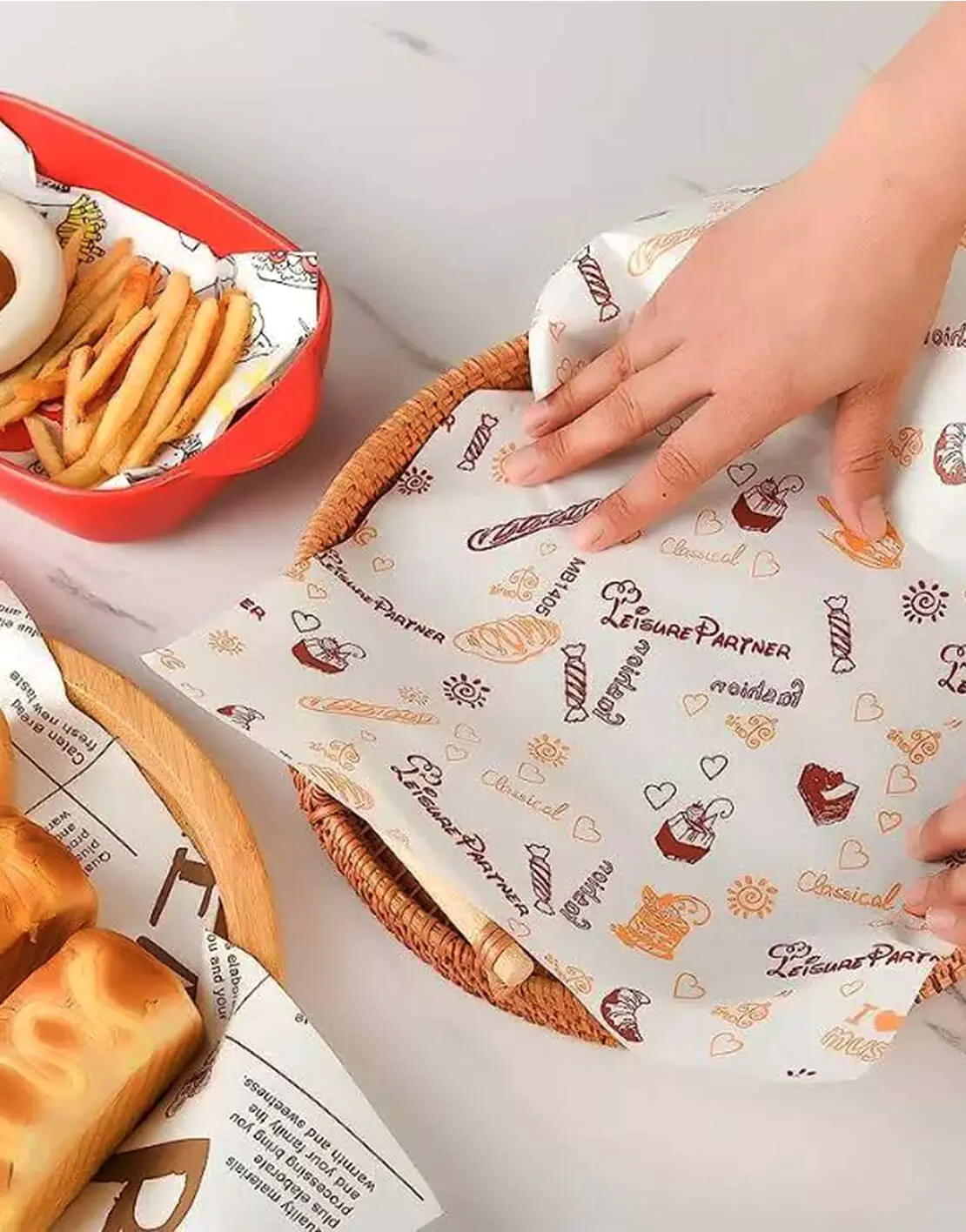
Deli papers sheet also create a barrier between items, preventing the spread of bacteria, juices or allergens. They are used to line trays for serving, to wrap foods or to separate portions in preparation and storage. Together with good hygiene, these sheets allow to keep the food safety standards high, the customers protected and the kitchen clean and tidy.
What Temperature Rules Must Restaurants Follow Every Day?
Hot foods must be held at between 140°F (60°C) and 165°F (74°C), and cold foods at 40°F (4°C) or below to prevent rapid bacterial multiplication. Because the danger zone of 40 to 140 (°F) is the ideal growth medium for bacteria to double growth, thermometers are used by food workers to verify cooking and holding temperatures.
Left overs are to be reheated to 165 and hot food must be cooled rapidly in an ice bath or in shallow pans. Temperature logs, daily fridge and freezer monitoring, and safe wrapping options from WaxPapersHub let restaurants keep their food on the right side of the line.
How Often Do Restaurant Kitchens Need Deep Cleaning?
Washing daily just wipes away the surface grime, but a deep-cleaning will get rid of the unseen bacteria and grease that builds up in a restaurant kitchen. Ovens and grills require scrubbing once a week, and floor drains should be disinfected regularly to prevent the growth of microbes.
Clean walk-ins and ice machines monthly to keep mold from growing. Exhaust hoods need to be daily cleaned to prevent a fire hazard and Bacterial growth. Deeply scratched cutting boards should be replaced on a regular basis.
Cleanliness: health officers search for dirt which is not visible during unexpected inspections. Cleaning schedules enable supervisors to monitor work done and make sure every section is kept clean not just on the surface but beneath at all times so they can operate safely.
What Personal Hygiene Rules Do Restaurant Workers Follow?
Clean uniforms each shift also help prevent the introduction of outside contaminants into the kitchen by workers.
Hair restraints keep hair out of food, and any open cuts are to be covered with waterproof bandages and gloves.Stay well-organized is entitled to be free from work while ill, for the same reason that sick employees shouldn't come to work: they are a vector for viruses and bacteria to customers.
jewelry and watches can harbor germs, so people should remove them, and fingernails should be kept short and clean. Eating and Drinking in preparation areas deposits bacteria from saliva, and gloves should be changed after touching any non-food item.
Aprons are changed when soiled and wearing strong perfumes is forbidden for risk of contaminating food with the smell of chemicals.
How Do Restaurants Handle Food Storage Safely?
First in and first out rotation ensures older ingredients get used before they spoil. Labels with dates help workers identify which items need using first in busy kitchens.
Raw and cooked foods never share storage space because bacteria transfers between them easily. Proper containers with tight lids prevent pests and cross-contamination during storage in coolers. Food cannot touch floor surfaces even in walk-in coolers or storage room areas.
Dry goods need storage above ground in areas with good air circulation always. Damaged cans or packages get thrown away because bacteria can enter through tiny openings.
These restaurant hygiene basics protect food quality from the delivery area to the customer’s plate. Regular inventory checks help catch spoiled items before they are used in any dish.Storage areas stay organized so workers can quickly find ingredients without leaving things out.
Why Do Health Inspections Matter for Restaurant Operations?
Rotation of stock is on a first in, first out basis, and clear date labels enable staff to easily identify which products require attention in busy kitchen environments. Storage Raw and cooked foods should never be stored together Bacteria can be transferred.
Tightly lidded containers keep out pests and cross-contamination, and food isn’t allowed to hit the floor — not even in the walk-ins. Dry goods should be kept off the floor and should be allowed to adequately air out.
Dented cans or packages are thrown away because bacteria may infiltrate through tiny holes. Regular inventory management keeps the expired items out of use and well-organized storage system ensures that ingredients are within reach and safe to use.
Read: Wrap It Right And Elevate Your Brand With Custom Food Paper
What Pest Control Measures Keep Restaurants Clean?
Expert pest control companies go to restaurants on a regular basis — usually monthly — to prevent infestations from developing.Good pest control starts with proper door and window seals, which stop insects and small animals from entering through common openings.
Also, quick disposal of food waste reduces what attracts these pests Floor drains are covered, preventing entry through the plumbing, and items are stored in a procedure that allows employees to quickly spot signs.Sticky traps and bait boxes help find pests early, and staff are trained to notice signs like droppings or bite marks on wrappers.
Any sighting means immediate action and a thorough examination of the kitchen and store rooms. Outdoor dumpsters are kept clean and are located a safe distance from doors to prevent contamination of food.
conclusion
There needs to be continuous focus and education on restaurant cleanliness among the entire staff. Wash your hands, hold your temperature and clean correctly and you can avoid the vast majority of food poisoning cases.
But strict personal hygiene and cross contamination rules mean the customers are less likely to become ill as a result of eating the food. Safe environments for food prep and customer service are ensured through routine inspections and pest management.
These Basics for Restaurant Food Hygiene ensure the whole ground for successful restaurants that customers trust all of the time.Following these rules protects the public health and helps restaurants build strong reputations in their communities.