How Do Oral Surgeons Handle Complex Dental Issues?
Most times, a dentist handles basic issues like cavities or cleanings. Yet once things get worse - infections spreading, bones involved, nerves at risk - someone else takes over. That role belongs to the oral surgeon Simpsonville KY.
They dig into tough cases others can’t fix easily. Mouth troubles, broken jaws, facial growths - none of it surprises them. Their training digs deeper than standard dentistry ever does.
Picture complex fixes where tools go beyond drills and fillings. Solutions arrive slowly, carefully, built around healing what hurts most.
Routine methods fall short here. Instead, precision work brings back how things should move, feel, fit. Relief often follows. So do better bites, clearer speech, less pain. Healing faces is their quiet task.
Oral Surgeon Duties Explained?
Most folks know regular dentists handle cleanings and cavities, but some issues need more. Surgery around the mouth falls to specialists with extra schooling. Pulling stubborn wisdom teeth? That lands on their schedule often.
So does rebuilding jaw structure when it develops wrong. Implants get set by them too, not just standard tooth repairs. Trauma from accidents involving the face is another part they manage.
Years pile up in training - way past what typical dentists study. School stretches longer because slicing tissue demands precision others do not learn.
Most times, an oral surgeon teams up with regular dentists along with orthodontists so the patient gets a full care setup.
Specialized Care Makes a Difference
Most people think tooth troubles only hurt. Yet trouble speaking shows up. Eating gets harder too. Breathing sometimes changes without warning. Confidence dips along the way.
A trained oral surgeon steps in with tools that go beyond regular dentistry. Precision matters here. Outcomes improve because of smarter methods used day after day.
Imagine bringing a broken-down vehicle somewhere rare - only places with exact skills dare touch it. That kind of care fits this situation well.
Oral Surgeons Handle Tough Dental Issues
Some problems in the mouth heal without a blade. Others - deep ones - leave no choice but to act.
Impacted Wisdom Teeth
Out of nowhere, wisdom teeth cause trips to the oral surgeon more than almost anything else. They might twist sideways, stay buried beneath gum tissue, or press into neighboring teeth without warning.
Pain shows up when things go wrong. Infections creep in slowly. Swelling follows close behind.
With precision, oral surgeons take out impacted wisdom teeth, making sure nearby nerves stay unharmed. Tissues around the area are handled gently throughout the process.
Jaw Misalignment
Some people struggle with daily activities due to jaw issues. Trouble eating shows up along with head pressure or discomfort near the face.
Surgery steps in when alignment matters - shifting bones into place brings better looks, yes, but also real movement gains. How things work changes just as much as how they look.
Missing Teeth and Bone Loss
Missing teeth over time may lead to softer jawbones. To prepare for implants, oral surgeons sometimes restore the bone using grafts. A solid base forms this way, making future replacements more stable.
Facial Trauma and Injuries
Broken jaws or chipped teeth often come from crashes or rough play. When bone needs fixing, specialists step in - calm, exact, steady hands guiding each move.
Advanced Diagnostic Techniques
Starting with a close look, oral surgeons review everything carefully prior to starting care. A full picture of the issue comes into focus before any steps are taken.
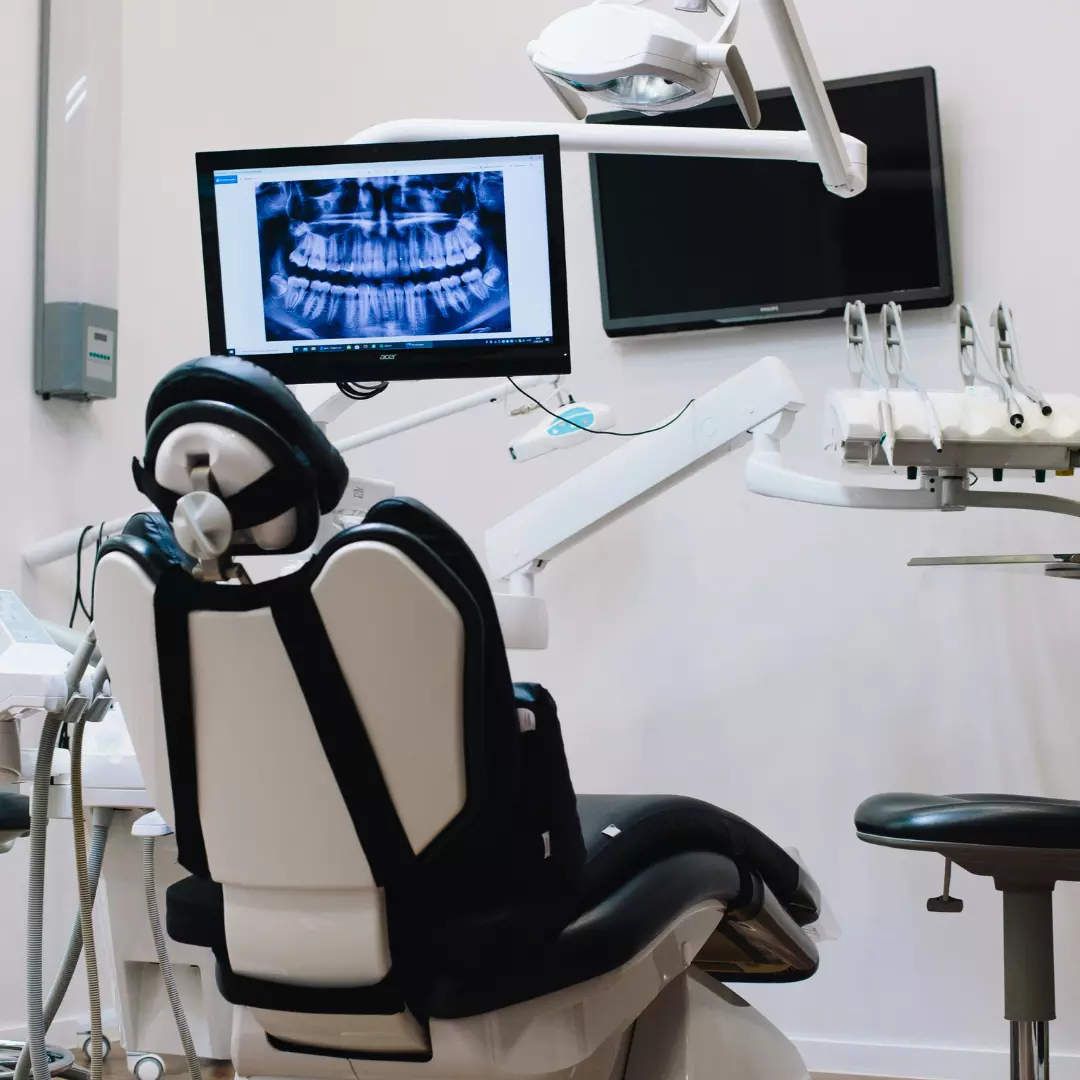
Digital Imaging and 3D Scans
Surgeons today see more because of high-tech pictures taken inside the mouth. Not only do digital X-rays show hidden areas, they reduce radiation exposure too.
A step beyond that, 3D imaging maps out bone shape along with nerve paths before any cutting begins.
Technology Enhances Precision
Picture attempting repairs on a complicated engine while blindfolded. Tools like these remove uncertainty, making operations more exact. Clarity matters when the body hides its inner workings. Sharp images guide hands with better accuracy.
Personalized Treatment Planning
One person might need a certain fix while another needs something else entirely. Because of how teeth and gums differ, specialists shape each plan around what the mouth shows, past doctor visits, and where healing should go.
When care fits just right, steps during surgery tend to go smoother plus healing often takes less time.
Surgical Procedures in Oral Surgery
From fixing complex tooth issues to handling jaw problems, oral surgeons tackle tough dental challenges. Procedures they carry out often address conditions that go beyond routine care.
Whether it's removing impacted teeth or correcting facial injuries, their work focuses on restoring function. Some treatments involve bone grafts or realigning jaws for better bite balance.
Each case demands precision, yet outcomes aim at long-term health rather than quick fixes.
Tooth Extractions
When a tooth is too far gone from harm or sickness, it must go. Out comes the problem molar, handled slow by mouth specialists who aim to ease strain. Pain stays low during the process.
Dental Implants
Most people choose dental implants when they lose teeth. Into the jawbone goes a small rod made of titanium, serving as a stand-in for the real root. After healing finishes, up top gets fitted a cap that brings back the look of normal teeth.
Looking for a skilled oral surgeon in Simpsonville KY? Many patients choose implant treatments for how well they last, also because they look like real teeth.
Bone Grafting Procedures
Bone gets built up again when it has worn away. Usually, this step must happen so dental screws will hold later.
Corrective Jaw Surgery
When jaws don’t line up right, surgery sometimes brings them into better position. This shift often makes biting down feel more natural.
Speech clarity tends to get clearer after the bones settle. Some people find their face looks more even once healing finishes.
Breathing at night might become less strained for certain individuals. Ongoing discomfort in the jaw area could fade when structure improves.
Pain Management and Patient Comfort
It’s common to worry before oral surgery, yet today’s methods tend to ease discomfort far beyond what folks imagine.
Sedation Options
Some patients get numbing medicine right where it's needed. Others might have calming drugs through a vein, especially if they feel uneasy. For bigger procedures, being fully asleep could be an option instead.
The choice often depends on what kind of surgery is done and how relaxed someone needs to feel.
Staying relaxed through care often means less discomfort. How smoothly someone handles the process can depend on how at ease they feel.
A quiet mind tends to notice fewer sharp edges in the experience. Comfort changes how bodies respond to what happens around them.
Recovery and Aftercare
Right after oral surgery, following care steps closely really matters. Swelling needs attention - patients learn ways to reduce it. Keeping the mouth clean comes next, done carefully each day.
Mistakes that lead to problems can be skipped with clear directions. Healing moves smoother when every step is understood.
Healing moves faster when care steps are followed closely. Discomfort often fades quicker under those conditions too.
Selecting an Appropriate Oral Surgeon Matters
A wrong pick might cost more than just time. Success often ties back to who you choose. Not every expert fits your needs the same way. The path forward shifts based on their skill level. Outcomes change when experience matches the problem.
Experience and Training
Most days, an oral surgeon faces tricky situations without rushing. Because they train for years, handling complications feels familiar. New techniques? They learn those too, quietly keeping skills sharp.
Most people needing louisville oral surgery want someone well known, up to date on tools, yet still puts comfort first - experience matters when it comes to healing.
A steady hand means less worry during recovery time. Tech helps, sure - but kindness while explaining steps changes everything.
Read: How a Local Family Dentist Murwillumbah Helps Prevent Dental
Patient-Centered Care
Most people think surgery is about fixing things. Yet what truly matters often happens before the first cut - someone who pays attention when you speak, breaks down each step without rushing, stays calm when fears show up. Healing isn’t only in the hands. It lives in how questions are answered, pauses respected, silence held.
Most people find it easier to open up when they sense someone truly listens. A calm moment builds trust without needing big gestures. Feeling seen can quietly shift how a person handles stress.
Oral Health Linked to Lasting Wellness
Most times, tough dental problems stick around without help. Put off care too long, tooth infections show up, jawbone fades, hurt grows stronger.
Preventing Future Complications
Starting early can stop small issues becoming big health troubles down the road. Fixing what's broken now is just part of the picture - keeping your mouth healthy years ahead matters too.
Restoring Confidence and Function
Smiling well does more than look good. Better talking, chewing, easier confidence - these come along too. For many, oral surgery means getting back what felt lost long ago.
Conclusion
Most people do not realize how much skill goes into removing stuck wisdom teeth. Yet behind every smooth recovery is someone trained to handle tough cases without rushing. Fixing broken jaws often depends less on equipment than steady hands and clear thinking.
A well-planned implant changes more than just a smile - it affects eating, speaking, daily comfort. Some treatments take months to complete but start with one careful decision about who performs them.
Confidence builds slowly when pain ends quietly after what seemed like a major problem.
Healing moves quicker if mistakes are avoided early in the process. Precision matters because small errors can echo through weeks of healing time. Long-term success shows up later, during meals once missed or conversations once delayed.
FAQ
Are dental implant procedures painful?
Some people feel almost nothing since numbing medicine calms things down while they stay relaxed throughout. Pain stays low thanks to a mix of soothing drugs that kick in before anything begins.
How long does recovery take after oral surgery?
Healing times shift based on what was done, yet many start noticing improvement between a handful of days and two full weeks.
Why are wisdom teeth often removed?
Teeth at the back of the mouth sometimes need removal if they get stuck beneath the gum line. Pain might start when these molars push through awkwardly. Infection becomes more likely because food traps in tight spaces.
Crowded teeth happen too, especially if there is not enough room. Dentists often suggest taking them out before bigger problems show up.
Can oral surgeons help with jaw pain?
Most times, mouth specialists spot trouble with the jaw - like when it sits wrong or the hinge near your ear acts up. They fix these things too, one step at a time.