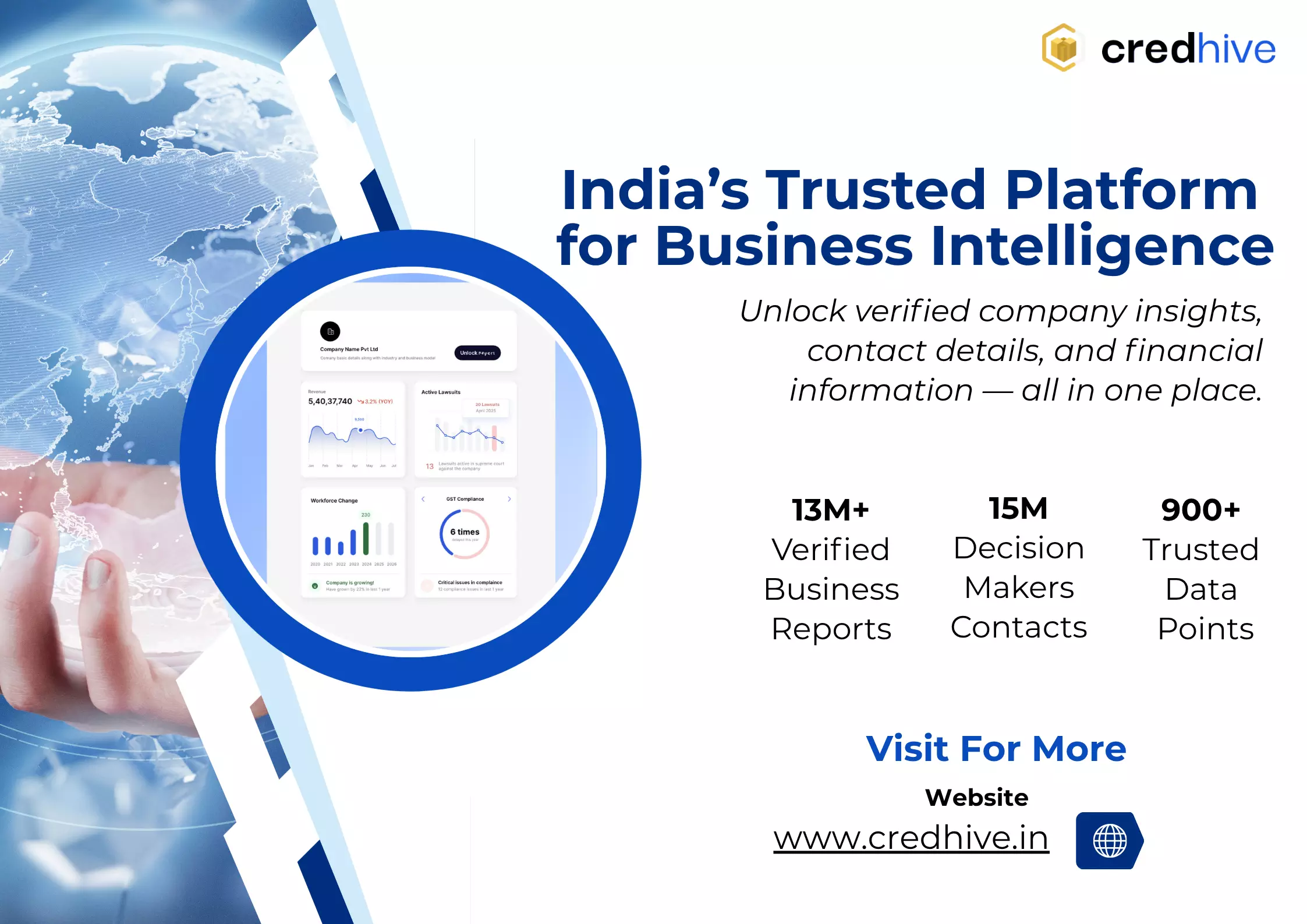
How Digital Platforms Are Transforming the Way We Find Indian Business Information
In the past, finding verified business information in India was a time-consuming process. Entrepreneurs, investors, and marketers had to rely on manual research, paper filings, and fragmented databases. However, the digital revolution has completely transformed how we access, verify, and analyze Indian company information.
Today, modern digital platforms and business intelligence tools provide instant access to verified data — making due diligence, B2B lead generation, and decision-making faster and smarter than ever before.
This article explores how technology has reshaped the Indian business information landscape and why embracing these tools is vital for every organization in 2025 and beyond.
Read: Building digital platform
1. The Shift from Manual Research to Digital Business Insights
Before digital transformation, professionals had to visit multiple government portals, scan documents, or depend on outdated reports to gather company data. This process was not only slow but often inaccurate.
With the emergence of digital business information platforms, the process is now simplified. Users can search for a company by name, CIN, or GST number and instantly access:
- Basic company details
- Financial performance
- Director and ownership information
- Compliance and litigation history
- Contact and operational data
This digital evolution ensures accuracy, accessibility, and transparency — key factors in today’s data-driven economy.
2. The Growing Need for Verified Business Information in India
India is home to millions of registered businesses, but not all are active or compliant. With rapid startup growth, mergers, and new ventures, verifying the authenticity of a company has become essential.
Digital platforms now serve as trusted intermediaries between data sources and businesses, providing up-to-date insights collected from official records like:
- Ministry of Corporate Affairs (MCA)
- Registrar of Companies (ROC)
- Goods and Services Tax (GST) databases
- Financial and compliance filings
By using these platforms, businesses can ensure that the information they rely on is accurate and verified, helping reduce fraud and build stronger corporate trust.
3. How Technology Simplifies Business Information Search
The integration of AI (Artificial Intelligence) and data analytics has revolutionized how business data is accessed and interpreted. Modern business information tools use advanced algorithms to:
- Collect data from multiple sources in real time
- Validate and organize it into user-friendly dashboards
- Highlight financial risks and compliance alerts automatically
This means entrepreneurs no longer need to be data experts to interpret company reports. In just a few clicks, they can identify potential partners, assess credit risk, or analyze market trends effectively.
4. Benefits of Using Digital Platforms for Company Information
Digital business information platforms have transformed the corporate world by offering several key benefits:
a. Speed and Efficiency
Access verified company data in seconds — saving time on manual research.
b. Accuracy and Transparency
Information sourced from official and government records ensures reliability.
c. Informed Decision-Making
With financial, risk, and performance insights, businesses can make confident decisions.
d. Risk Prevention
Identify red flags early — such as pending litigations or non-compliance — before entering partnerships.
e. Lead Generation and Prospecting
Find new potential clients, suppliers, or partners using data-backed intelligence.
Simply put, these tools empower professionals to work smarter, not harder.
5. The Role of Business Intelligence Tools
Business Intelligence (BI) tools are at the heart of this digital shift. They combine analytics, automation, and real-time reporting to give a complete view of a company’s performance and potential.
With BI-driven platforms, users can:
- Analyze business trends across industries
- Compare competitors using data
- Generate detailed company profiles
- Evaluate a company’s growth potential or financial stability
For sales teams, marketers, and investors, this is a game-changer. It allows them to focus on actionable insights rather than raw data collection.
Read: Top 20 Advanced AI Tools Revolutionizing Digital Marketing
6. Building Trust and Transparency in the Digital Era
One of the biggest advantages of using verified digital platforms is trust. Businesses can now verify who they’re working with before signing deals or offering credit. This transparency reduces the chances of fraud, unpaid debts, and compliance issues.
Moreover, companies that maintain updated and accurate data also improve their market credibility, making them more attractive to lenders, investors, and clients.
7. The Future of Business Information Access in India
As India continues its digital transformation journey, the future of business information will be shaped by automation, predictive analytics, and AI-driven insights.
Future tools will not only provide company data but also predict business risks, highlight growth opportunities, and recommend smart partnerships based on industry trends. Businesses that adopt these technologies early will enjoy a major competitive advantage.
Conclusion
Digital platforms have completely transformed how we find and analyze Indian business information. What once required days of manual work can now be done in minutes, thanks to data intelligence, AI, and automation.
Read: Digital Transformation Services in 2025
For entrepreneurs, investors, and decision-makers, verified and digital business data is no longer optional — it’s a necessity. It builds trust, enhances decision-making, and enables faster, smarter growth.
As we move further into 2025, companies that leverage these platforms will not only stay ahead of their competition but also redefine how business relationships and opportunities are built in India’s fast-growing economy.