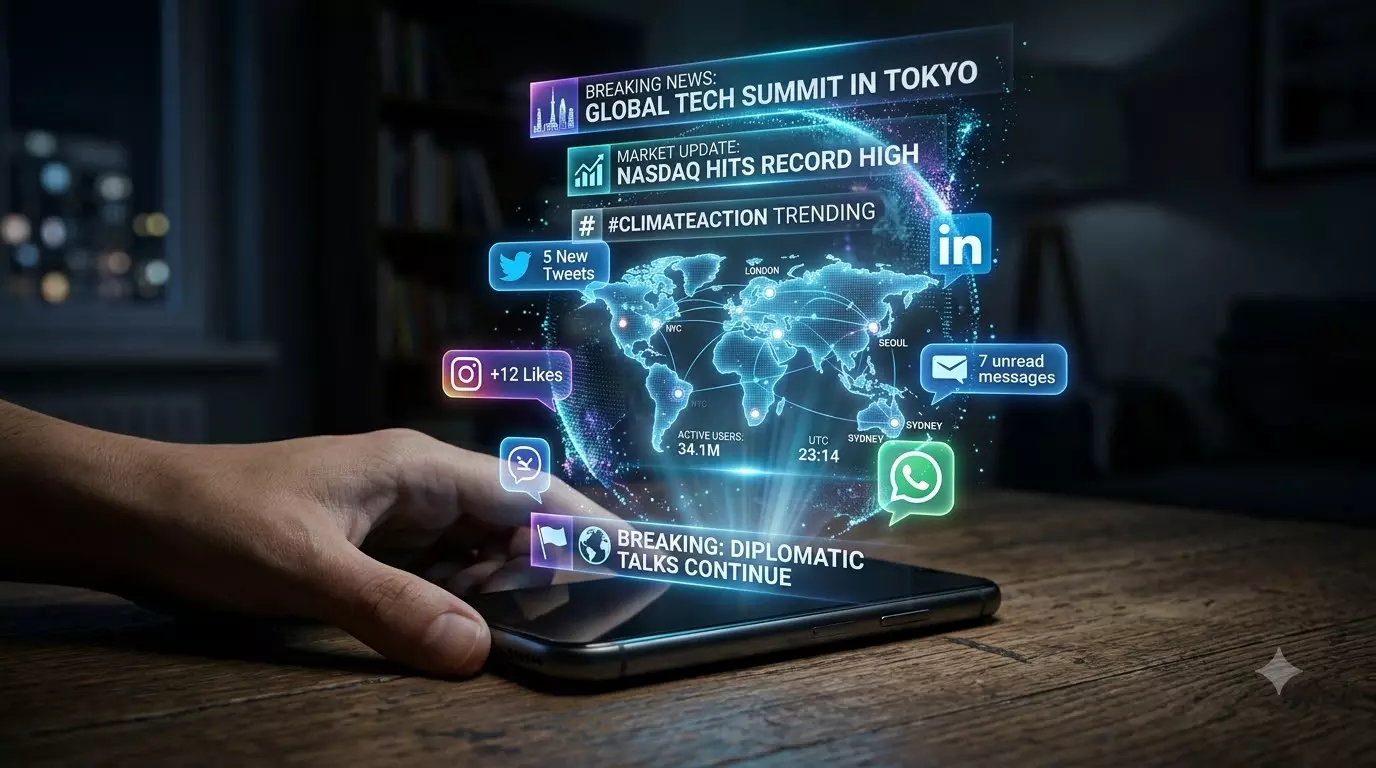
How Digital Platforms Are Changing News Distribution
News used to arrive through a limited number of channels. I remember the traditional model as newspapers, television broadcasts, radio programs, and dedicated news websites.
Today, digital platforms have changed that process. I can discover a breaking story through a search engine, social media feed, video platform, newsletter, podcast, or mobile notification within seconds.
This shift has changed more than the speed of news. It has affected how stories are published, shared, discussed, and found. I can now move from a headline to a full article, video explanation, public reaction, and related sources without leaving the same device.
Digital platforms have also changed how businesses and products reach interested audiences.
For example, someone searching for Mr Fog Vape may encounter product information through a search engine, review website, social post, video, or online store rather than through a traditional advertisement.
The convenience is clear, but the change also creates problems. I have to deal with information overload, repeated headlines, misleading posts, and content designed mainly to attract clicks. Understanding how digital news distribution works helps me make better decisions about what I read and trust.
The Problem With Traditional and Modern News Habits
The traditional news model had limitations. A newspaper had a fixed publication schedule, while television and radio broadcasts followed specific time slots. I had to wait for the next edition or broadcast to receive updates.
Digital platforms removed many of those restrictions. News organizations can publish updates as events develop, and readers can receive those updates almost immediately.
That speed creates several challenges:
- I can receive too many updates from different platforms.
- Headlines can appear before all facts are confirmed.
- Social posts can spread information without clear sources.
- Algorithms can influence which stories I see.
- Short posts can remove important context from complicated subjects.
- Click-focused headlines can make stories appear more dramatic than they are.
The problem becomes greater when I treat every post as equal to a professionally reported article. A social media post may contain useful information, but it can also be incomplete or inaccurate.
Digital distribution has therefore created a situation where access to information is easier, but evaluating information has become more important.
For example, when I search for Mr Fog Max Air 3000 Puffs, I may find product pages, reviews, videos, advertisements, and social posts. These sources can have different purposes and different levels of reliability. I need to understand whether a page is providing news, an independent review, marketing information, or a sales message.
How Digital Platforms Are Reshaping News Distribution
The biggest change I notice is that news is no longer distributed through a single path. Instead, digital platforms create several routes between publishers and audiences.
A news organization can publish an article on its website and then distribute the same story through search engines, social networks, email newsletters, mobile applications, video platforms, and other digital channels.
This creates a faster and more flexible news cycle.
Read: Iris Recognition Technology: How It Works, Benefits & Applications
Social Media Makes News More Immediate
Social media has become an important distribution channel because information can spread quickly after publication. I can see a headline shortly after an event happens and follow additional updates as journalists publish new information.
Social platforms also allow readers to respond. I can comment, share, discuss, or compare information with other posts. This creates a two-way communication process instead of the traditional one-way relationship between publisher and reader.
However, speed can also increase confusion. A post may be shared thousands of times before corrections appear. For that reason, I prefer checking the original source when a story appears important.
The same process affects commercial information. A person searching for Mr Fog Vape Near Me may use search results, maps, social media, or local listings to find information. The digital platform becomes part of the discovery process rather than simply another place to advertise.
Search Engines Help People Find Specific Information
Search engines have changed news distribution by making information searchable instead of requiring readers to follow one publisher.
I can search for a specific subject and compare several sources. This gives me more control over what I read. Instead of waiting for a particular newspaper to cover a subject, I can actively look for information.
Search also changes how publishers create content. Headlines, page structure, keywords, and useful explanations can influence whether an article is discovered.
For publishers, this means distribution begins before a reader opens the article. The way information is presented can affect visibility in search results.
I also need to remember that appearing high in search results does not automatically mean that a source is accurate. I still need to check the publisher, date, evidence, and context.
Video, Podcasts, and Newsletters Expand Distribution
Digital news is no longer limited to written articles. I can consume information through short videos, long-form interviews, podcasts, newsletters, and live streams.
This gives me more choices based on how I prefer to learn.
For example:
- Video can explain complex events through visuals.
- Podcasts can provide longer discussions and interviews.
- Newsletters can organize important updates in one place.
- Mobile notifications can deliver urgent developments quickly.
- Short-form posts can introduce a topic before I explore it further.
These formats can make information easier to access, but they also require careful judgment. A short video may simplify an issue so much that important details disappear.
What the Future of News Distribution Means for Me
Digital platforms have changed the relationship between publishers and audiences. I am no longer simply waiting for news to arrive. I can search, subscribe, compare, comment, and share information whenever I want.
That freedom comes with responsibility.
I need to consider where information comes from before accepting it as fact. I also need to distinguish journalism from advertising, personal opinion, sponsored content, and promotional material.
This matters across many online subjects, including vaping products. When I search for terms such as Mr Fog Vape, Mr Fog Max Air 3000 Puffs, or Mr Fog Vape Near Me,
I can encounter several types of online content. Product specifications, customer reviews, advertisements, retailer information, and independent articles should not automatically be treated as the same type of source.
I find it useful to check:
- Who published the information?
- When was it published or updated?
- Is the source providing evidence?
- Is the content promotional?
- Does another reliable source confirm the information?
- Is the headline supported by the actual content?
Digital platforms are likely to continue changing how news reaches me. New technologies, recommendation systems, artificial intelligence, and mobile services can make information even faster to access.
The main challenge will not simply be getting news quickly. The bigger challenge will be deciding what deserves attention.
I see digital news distribution as a useful development because it gives me more access and more choice. At the same time, I know that convenience does not guarantee accuracy.
The ability to compare sources, check context, and recognize promotional content has become an important part of being an informed digital reader.
The future of news distribution will continue to evolve, but the basic need remains the same: I need reliable information that helps me understand what is happening rather than simply giving me another headline to scroll past.