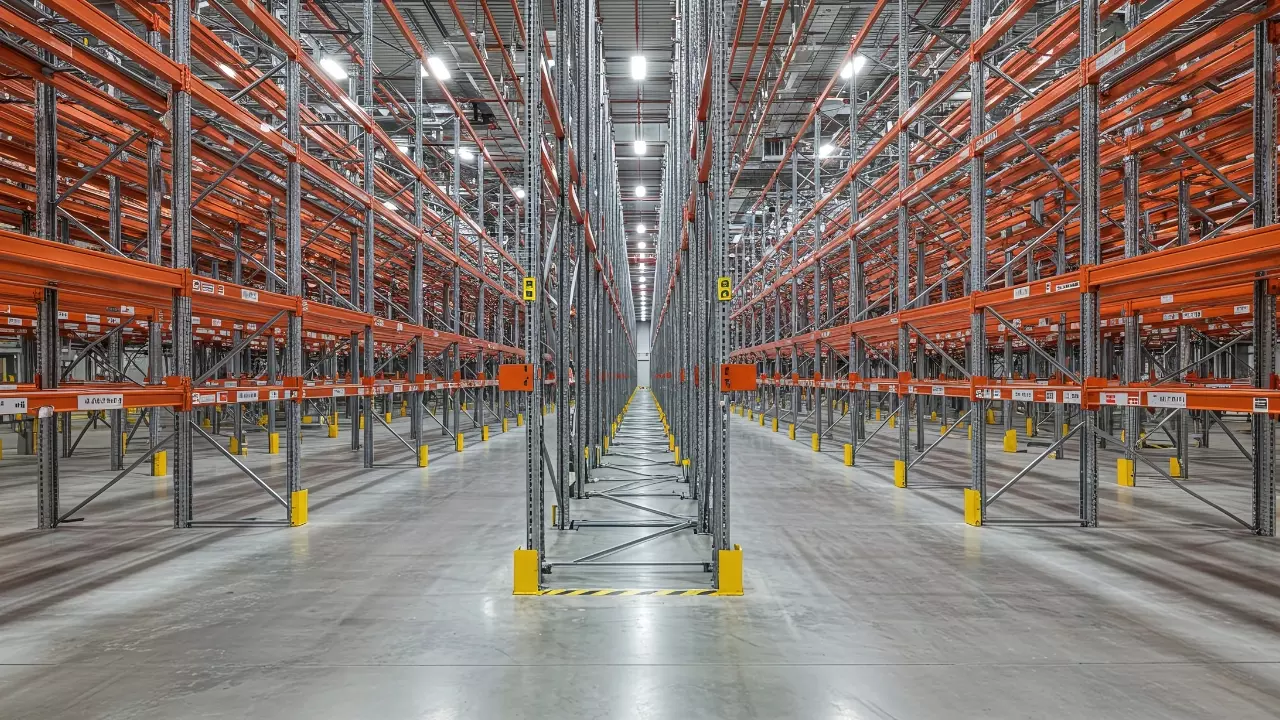
How Deep Pallet Racking Maximizes Warehouse Space Utilization
Deep Pallet Racking is an effective storage solution designed to maximize warehouse space and improve inventory organization.
Businesses looking to optimize storage efficiency often rely on solutions from Master Racks Limited, which specializes in designing advanced racking systems that help warehouses store more products while maintaining accessibility and operational efficiency.
Understanding Warehouse Space Challenges
Modern warehouses face constant pressure to store increasing amounts of inventory without expanding physical facilities. As businesses grow, inventory levels increase, and storage space becomes limited.
Many warehouses rely heavily on floor space, leaving vertical storage underutilized. This results in inefficient layouts and wasted storage potential.
By implementing Deep Pallet Racking, warehouses can significantly improve space utilization and accommodate larger volumes of inventory within the same facility.
Companies like Master Racks Limited help businesses overcome storage challenges by designing racking systems that make better use of both vertical and horizontal warehouse space.
What Is Deep Pallet Racking?
Deep Pallet Racking is a high-density storage system that allows pallets to be stored multiple positions deep within the racking structure. Instead of placing pallets in single rows, this system stores pallets behind one another, increasing storage density.
This storage design is ideal for warehouses that handle large quantities of similar products and require efficient space utilization.
Manufacturers such as Master Racks Limited develop customized racking systems that allow businesses to maximize storage capacity while maintaining safe and organized warehouse environments.
Why Efficient Space Utilization Matters
Warehouse space is a valuable resource. Efficient storage systems allow businesses to store more products without expanding the warehouse building.
Improving space utilization provides several operational benefits:
- Increased storage capacity
- Reduced storage congestion
- Improved inventory organization
- Enhanced operational efficiency
Implementing Deep Pallet Racking helps businesses achieve these advantages while maintaining structured and accessible storage systems.
How Deep Pallet Racking Maximizes Warehouse Space
Increasing Storage Density
One of the most important benefits of Deep Pallet Racking is increased storage density.
Traditional storage systems often require wide aisles between racks. While this allows easy access to every pallet, it also reduces the amount of space available for storage.
Deep racking systems minimize aisle space by storing pallets in multiple positions deep. This design allows warehouses to store more pallets within the same floor area.
Storage experts like Master Racks Limited design racking layouts that maximize pallet capacity while maintaining operational efficiency.
Utilizing Vertical Warehouse Space
Many warehouses have high ceilings that remain partially unused when using conventional storage systems.
Deep racking systems extend vertically, allowing warehouses to store pallets in multiple levels above the floor.
This vertical expansion significantly increases storage capacity without requiring additional warehouse space.
By implementing Deep Pallet Racking, businesses can transform unused vertical space into valuable storage areas.
Reducing Aisle Space Requirements
Aisles are necessary for forklifts and material-handling equipment to move throughout the warehouse. However, excessive aisle space reduces storage capacity.
Deep racking systems reduce the number of aisles required by allowing pallets to be stored multiple rows deep.
This efficient layout increases the amount of space available for storing products.
Companies such as Master Racks Limited design warehouse layouts that balance aisle accessibility with maximum storage density.
Supporting Bulk Inventory Storage
Warehouses that store large quantities of similar products benefit greatly from high-density storage systems.
Deep Pallet Racking is particularly suitable for bulk storage because it allows multiple pallets of the same product to be stored together.
This approach simplifies inventory management and reduces the time required to locate specific products.
Bulk storage systems also help warehouses maintain better organization and inventory flow.
Improving Warehouse Organization
- A well-organized warehouse is essential for efficient operations.
- Deep racking systems provide designated storage locations for pallets, reducing clutter and improving product visibility.
- Organized storage areas allow workers to locate items quickly and manage inventory more effectively.
- Professional storage solutions from Master Racks Limited help businesses design organized warehouse environments that support smooth operations.
Types of Deep Pallet Racking Systems
Double Deep Racking
Double deep racking is one of the most common forms of Deep Pallet Racking.
In this system, pallets are stored two rows deep instead of one. Specialized forklifts are used to access pallets located in the second row.
This design significantly increases storage density while maintaining moderate accessibility.
Drive-In Racking
Drive-in racking allows forklifts to enter the rack structure to store or retrieve pallets.
This system provides extremely high storage density and is commonly used in cold storage facilities or bulk warehouses.
Drive-in systems are ideal for storing large volumes of similar products.
Push Back Racking
Push back racking systems allow pallets to be placed on inclined rails. When a new pallet is loaded, it pushes the previous pallet backward.
This system improves storage density while maintaining efficient pallet access.
Push back systems are commonly used in warehouses with medium to high inventory turnover.
Benefits of Deep Pallet Racking for Warehouse Operations
Maximized Storage Capacity
The most obvious advantage of Deep Pallet Racking is the ability to store more pallets within the same warehouse space.
By increasing storage density, warehouses can accommodate larger inventories without expanding their facilities.
Storage specialists like Master Racks Limited design racking systems that help businesses maximize their storage capacity.
Improved Inventory Management
- Organized storage systems make it easier for warehouse managers to track inventory.
- When products are stored in structured racks, inventory levels can be monitored accurately.
- This reduces the risk of stock shortages, misplaced items, and inventory errors.
Enhanced Operational Efficiency
- Efficient storage systems contribute to faster warehouse operations.
- Workers can locate products more quickly when inventory is organized within a racking structure.
- A well-designed Deep Pallet Racking layout improves workflow efficiency and supports smooth warehouse operations.
Reduced Warehouse Costs
Efficient use of warehouse space helps businesses reduce the need for additional storage facilities.
By maximizing storage capacity within the existing building, companies can manage inventory growth without expanding their warehouses.
This makes deep racking systems a practical solution for growing businesses.
Designing an Effective Deep Pallet Racking Layout
Successful implementation of a deep racking system requires careful planning.
Businesses must consider several factors before installing a racking system:
- Warehouse dimensions
- Ceiling height
- Product weight and size
- Material handling equipment
- Inventory turnover rate
Professional storage providers like Master Racks Limited conduct detailed warehouse assessments to design efficient racking layouts.
Expert planning ensures that storage systems meet both operational and safety requirements.
Read: What Industries Benefit the Most from Odoo Consulting
The Importance of Professional Installation
- Installing a racking system requires technical expertise and precise engineering.
- Improper installation can lead to structural instability and safety risks.
- Professional installation ensures that racks are correctly anchored, aligned, and capable of supporting heavy loads.
- Companies such as Master Racks Limited provide professional installation services that guarantee reliable and durable storage systems.
Future Trends in High-Density Warehouse Storage
Warehouse storage technology continues to evolve as businesses adopt more advanced logistics strategies.
Modern warehouses are integrating automation, robotics, and digital inventory systems to improve efficiency.
However, strong storage infrastructure remains essential for supporting these technologies.
Deep Pallet Racking will continue to play a vital role in high-density warehouse storage as businesses seek efficient solutions for managing growing inventory demands.
Manufacturers like Master Racks Limited continue to innovate and develop advanced storage systems that support modern logistics operations.
Conclusion
Deep Pallet Racking is a powerful solution for maximizing warehouse space utilization and improving inventory organization.
With expertly designed systems from Master Racks Limited, businesses can implement deep pallet racking solutions that increase storage capacity, enhance workflow efficiency, and support long-term warehouse growth.