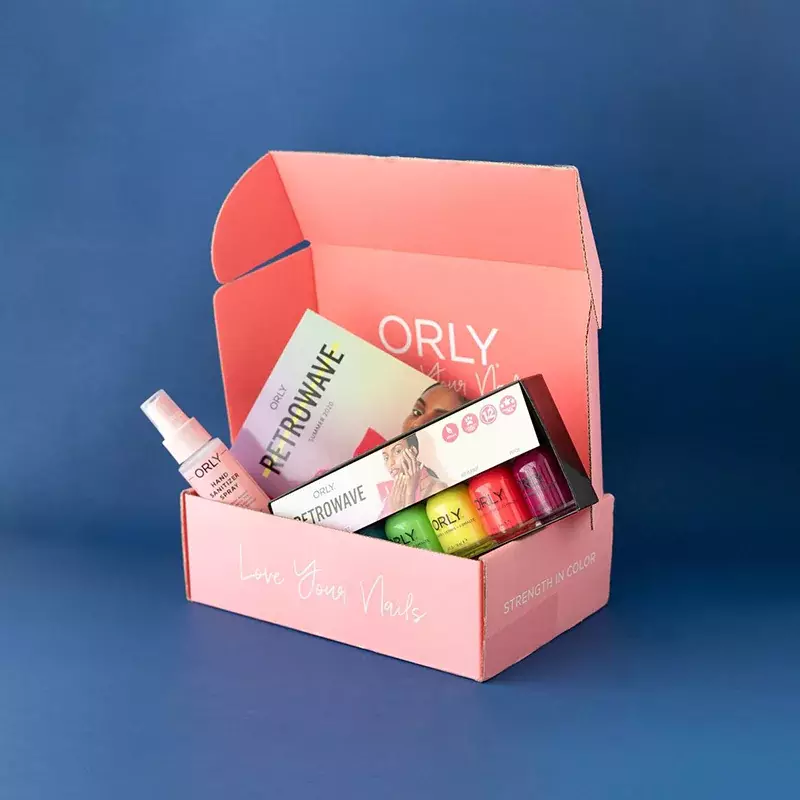
How Custom Cosmetic Boxes are Printed: Techniques, Coatings & Finishes
The beauty industry is one of the most visually competitive markets in the world. A product sitting on a retail shelf has only a few seconds to capture a shopper's attention and more often than not, it is the packaging that makes the first impression.
Custom cosmetic boxes are not just containers; they are a brand's silent salesperson.
But have you ever wondered what goes on behind the scenes to produce those glossy, textured, foil-stamped boxes that make beauty products look so premium? This guide breaks down the printing techniques,
coatings, and finishes used to create custom cosmetic boxes so, whether you are a beauty entrepreneur, a packaging buyer, or simply curious, you will walk away with a solid understanding of the process.
The Foundation: Choosing the Right Printing Technique
Before any coating or finish is applied, the artwork needs to be printed onto the packaging material. There are several printing methods commonly used in the cosmetic packaging industry, and each has its own strengths.
1. Offset Lithography Printing
Offset printing is the gold standard for high-volume cosmetic box production. In this method, ink is transferred from a metal plate to a rubber blanket and then onto the packaging material.
It delivers exceptional color accuracy, sharp detail, and consistent results across thousands of units.
This technique works best for brands ordering large quantities, as the setup costs are higher but the per-unit cost drops significantly with scale. Luxury cosmetic brands commonly rely on offset printing for its rich, vibrant color output and professional finish.
2. Digital Printing
Digital printing skips the plate-making process entirely and prints directly from a digital file onto the substrate. It is ideal for small to medium runs, short turnaround times, and designs that require frequent updates — such as limited edition collections or seasonal packaging.
While digital printing may not match the color depth of offset at extremely high volumes, modern digital presses have closed the gap considerably.
For indie beauty brands and startups testing the market, digital printing offers flexibility without the high upfront investment.
3. Flexographic Printing
Flexography uses flexible relief plates and fast-drying inks, making it suitable for printing on a wide range of surfaces including kraft paper, corrugated cardboard, and film.
It is widely used for cosmetic shipping boxes and outer packaging where speed and cost efficiency matter more than ultra-fine detail.
4. Screen Printing
Screen printing forces ink through a mesh stencil onto the packaging surface. It is particularly effective for bold, solid colors and is often used on rigid cosmetic boxes, glass packaging, and specialty materials where other methods fall short.
Coatings: Protection Meets Aesthetics
Once the printing is complete, coatings are applied to protect the ink, enhance durability, and contribute to the overall look and feel of the box.
Gloss Coating
Gloss coating adds a shiny, reflective surface to the printed box. It makes colors appear more vivid and gives the packaging a polished, high-end appearance.
This is one of the most popular choices for cosmetic brands that want their products to stand out on shelves.
Matte Coating
Matte coating produces a smooth, non-reflective finish that feels sophisticated and understated.
It has become increasingly popular among premium and minimalist beauty brands. Matte-coated boxes also tend to resist fingerprints better than gloss, which is a practical bonus for retail products.
Soft-Touch Coating
Soft-touch coating gives the box a velvety, rubber-like texture that feels incredibly premium in hand. Many high-end cosmetic and skincare brands use this finish because the tactile experience reinforces the perception of quality.
Read: Recommendation Regarding Custom Packaging as a New
Finishes: The Details That Make the Difference
Beyond coatings, a range of specialty finishes can be applied to custom cosmetic boxes to elevate their visual appeal even further.
Foil Stamping
Foil stamping uses heat and pressure to apply a thin metallic or holographic foil layer onto specific parts of the design. Gold and silver foil are classic choices for luxury cosmetic packaging, instantly communicating elegance and prestige.
Embossing and Debossing
Embossing raises a design element above the surface of the box, while debossing presses it below.
Both techniques add a three-dimensional, tactile quality to the packaging that looks impressive and feels luxurious to the touch. Brand logos and key design elements are the most common candidates for embossing.
Holographic Foiling
Holographic foiling creates a rainbow-like, light-shifting effect on the packaging surface. It is particularly popular in the color cosmetics and nail care segments, where bold, eye-catching designs appeal to younger consumers.
Bringing It All Together
The most effective custom cosmetic boxes are not the result of a single technique but a thoughtful combination of printing methods, coatings, and finishes that work in harmony.
A brand might use offset printing as the base, apply a soft-touch matte coating overall, add UV spot gloss on the logo, and finish with gold foil stamping on the product name.
Understanding these options empowers beauty brands to make smarter packaging decisions ones that reflect their identity, resonate with their audience, and stand out in one of the world's most competitive industries.
Whether you are launching your first product or refreshing an existing line, investing in well-printed custom cosmetic boxes is one of the most impactful decisions you can make for your brand.