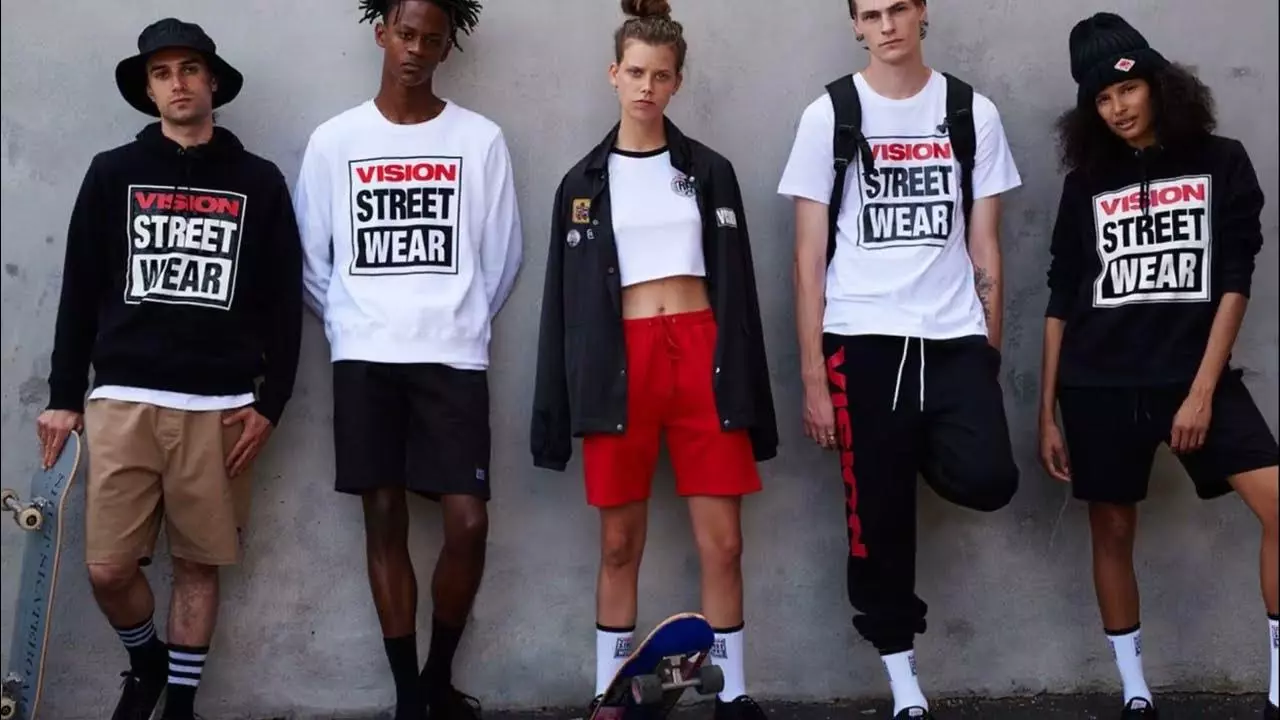
How Custom Apparel Manufacturers Help Startups Launch Clothing Brands
Launching a clothing brand is an exciting opportunity, but it also comes with significant challenges.
Many startups enter the fashion industry with creative ideas and strong branding concepts but struggle with production, sourcing, and operational planning.
Turning a clothing concept into a successful business requires more than design skills—it requires reliable manufacturing support.
This is where custom apparel manufacturers play a vital role. They help startups navigate complex production processes, reduce risk, and bring products to market more efficiently.
Many entrepreneurs begin their search by looking for the top clothing manufacturers because choosing the right manufacturing partner can directly influence product quality, customer satisfaction, and long-term growth.
Here’s how custom apparel manufacturers help startups launch and grow successful clothing brands.
Transforming Ideas into Real Products
Every clothing brand starts with an idea. Whether it is streetwear, sportswear, luxury apparel, or casual basics, turning a concept into a wearable product requires technical expertise.
Custom apparel manufacturers help startups bridge the gap between creativity and production.
They often assist with:
- Design refinement
- Technical specifications
- Construction guidance
- Fabric recommendations
- Production planning
Many startup founders have strong creative vision but limited manufacturing knowledge.
Experienced manufacturers evaluate designs and suggest practical solutions that maintain style while improving manufacturability.
This early support helps prevent costly errors and creates a smoother development process.
Working with the top clothing manufacturers allows startups to transform sketches and mood boards into professionally developed garments.
Assisting with Sampling and Product Development
Sampling is one of the most important stages in apparel manufacturing.
Before moving into bulk production, manufacturers create sample garments that allow startups to test and refine products.
Common sample types include:
Prototype Samples
Used to evaluate early concepts and construction.
Fit Samples
Focused on sizing and garment proportions.
Pre-Production Samples
Final approved garments used as production standards.
Sampling allows startups to review:
- Fit and comfort
- Fabric performance
- Stitch quality
- Design accuracy
- Overall appearance
Without sampling, brands risk investing in large production runs without confirming product quality.
Many entrepreneurs choose the top clothing manufacturers because strong sampling services help identify problems early and reduce expensive production mistakes.
Product development becomes far more manageable with professional manufacturing support.
Helping with Fabric and Material Sourcing
Fabric selection has a major impact on clothing quality and customer experience.
However, sourcing materials independently can be difficult for startups unfamiliar with textile supply chains.
Custom apparel manufacturers often maintain established sourcing networks that provide access to reliable suppliers.
This includes:
- Cotton fabrics
- Polyester blends
- Sustainable textiles
- Trims and accessories
- Labels and packaging
Manufacturers help startups choose fabrics based on:
- Product category
- Budget
- Durability requirements
- Brand positioning
- Customer expectations
For example:
- Activewear brands may need moisture-wicking fabrics
- Streetwear brands may prefer heavyweight cotton
- Premium labels may seek luxury materials
The top clothing manufacturers simplify sourcing and help startups avoid supplier-related delays and inconsistencies.
This support saves time and improves product quality.
Lowering Production Barriers
Building a clothing production system independently requires substantial investment.
Startups would otherwise need to manage:
- Factory equipment
- Skilled labor
- Production facilities
- Inventory systems
- Quality control operations
For most emerging brands, these costs are unrealistic.
Custom manufacturers eliminate these barriers by offering ready-made production infrastructure.
This enables startups to:
- Reduce capital expenses
- Avoid factory management
- Launch faster
- Focus on branding and sales
- Scale more efficiently
.
Rather than investing in machinery and production teams, startups can outsource manufacturing and operate more strategically.
This cost-saving advantage explains why many founders prioritize partnerships with the top clothing manufacturers.
Offering Flexible Minimum Order Quantities
Minimum order quantity, commonly known as MOQ, is often a major concern for startups.
Large production requirements can create financial risk and inventory challenges.
Fortunately, many custom manufacturers now offer flexible MOQs designed to support smaller brands.
Lower MOQs allow startups to:
- Test new products
- Launch limited collections
- Manage inventory carefully
- Reduce financial pressure
- Improve cash flow
Small-batch manufacturing is especially valuable during the early stages of brand development.
Rather than producing thousands of garments immediately, startups can validate demand before scaling.
Many of the top clothing manufacturers recognize the needs of emerging businesses and offer production models tailored to startup growth.
This flexibility creates more opportunities for innovation and experimentation.
Strengthening Quality Control
Quality can determine whether a new clothing brand succeeds or struggles.
Consumers expect garments to meet professional standards, and poor-quality products often result in negative reviews and lost customer trust.
Custom apparel manufacturers help protect startup brands through structured quality control systems.
These systems may include:
- Fabric inspection
- Measurement verification
- Stitch evaluation
- Color matching
- Final product inspection
Consistent quality helps startups:
- Reduce returns
- Improve customer satisfaction
- Build stronger reputations
- Encourage repeat purchases
The top clothing manufacturers understand that quality directly affects brand credibility and long-term growth.
Reliable production standards become especially important for startups trying to establish market trust.
Providing Technical Expertise
Apparel manufacturing involves many technical details that new entrepreneurs may not fully understand.
Manufacturers provide guidance on:
- Pattern making
- Size grading
- Construction techniques
- Fabric behavior
- Printing and embroidery methods
Technical support helps startups avoid production problems and improve garment performance.
For example, certain fabrics stretch, shrink, or react differently during production and washing.
Experienced manufacturers identify these challenges early and recommend better solutions.
This technical knowledge is one reason startups often seek partnerships with the top clothing manufacturers.
Manufacturing expertise reduces trial-and-error and creates more reliable outcomes.
Read: Navigating the Fashion Revolution With Engine Clothing
Supporting Brand Growth and Scaling
Successful clothing startups eventually outgrow small production runs.
As demand increases, manufacturing needs become more complex.
Custom apparel manufacturers help brands scale without sacrificing quality or efficiency.
Scaling support may include:
- Higher production volumes
- Faster turnaround times
- Expanded sourcing networks
- Additional customization options
- Improved logistics coordination
Rather than switching factories repeatedly, startups can grow with manufacturers that already understand their products and expectations.
Many brands view the top clothing manufacturers not merely as suppliers but as long-term growth partners.
Strong manufacturing relationships support smoother expansion and operational stability.
Assisting with Logistics and Delivery
Production does not end once garments are completed.
Finished products must be packaged, shipped, and delivered efficiently.
Many manufacturers assist with logistics services such as:
- Folding and packaging
- Label application
- Shipping coordination
- Inventory preparation
- Distribution support
These services simplify operations and reduce workload for startup teams.
Reliable delivery systems help maintain positive customer experiences and protect brand reputation.
Startups often benefit greatly from manufacturers capable of handling both production and fulfillment support.
Final Thoughts
Launching a clothing brand involves far more than creative design. Success depends on reliable production, efficient sourcing, quality control, and scalable operations.
Custom apparel manufacturers provide the expertise and infrastructure startups need to navigate these challenges successfully.
From sampling and material sourcing to logistics and growth planning, manufacturing partners play a central role in transforming ideas into market-ready products.
For entrepreneurs entering the apparel industry, working with the top clothing manufacturers can provide a major competitive advantage. The right manufacturing partner not only produces garments but also supports innovation, efficiency, and long-term brand success.