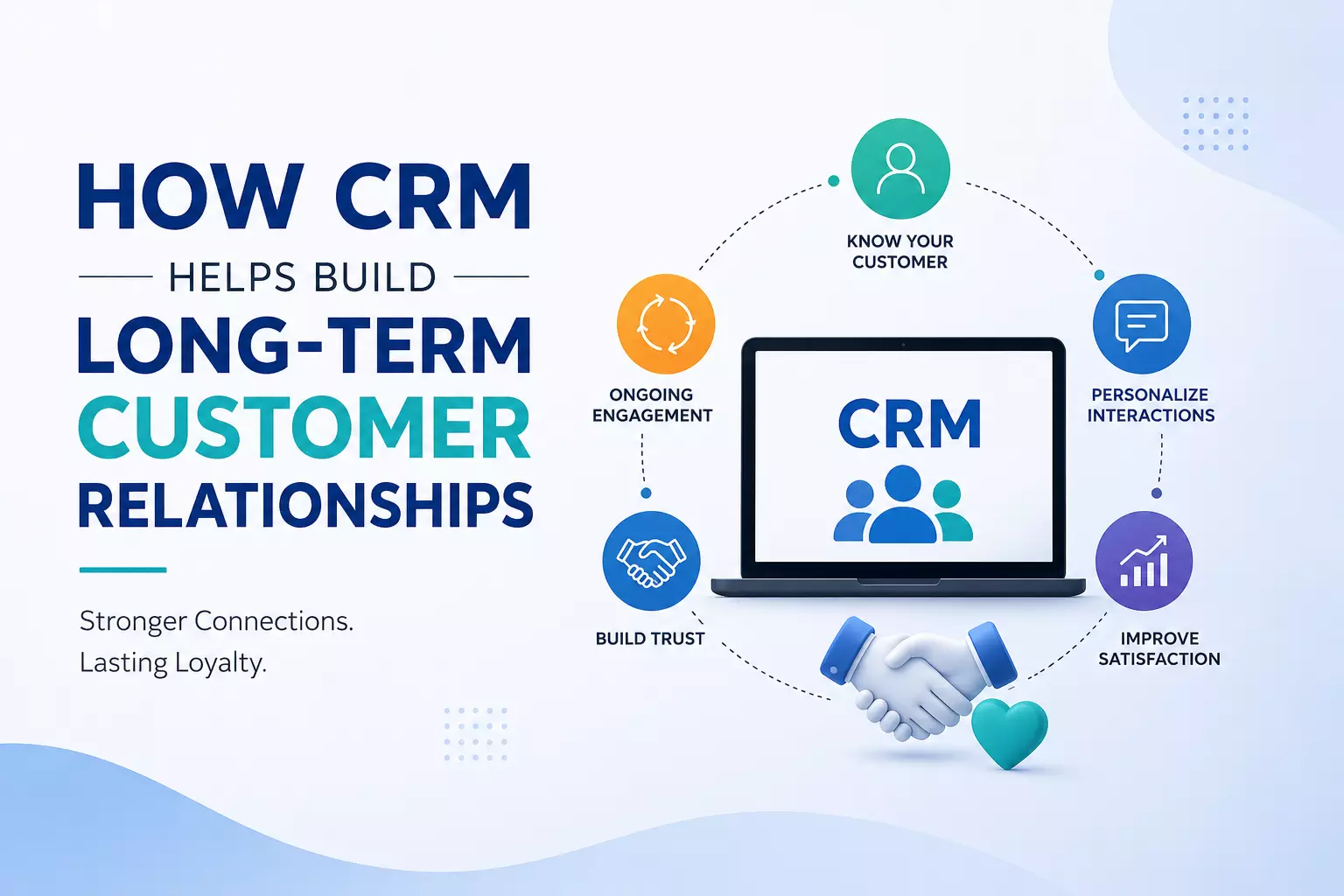
How CRM Helps Build Long-Term Customer Relationships
Building strong customer relationships is one of the most important goals for any business. While attracting new customers is essential for growth, retaining existing customers often delivers greater long-term value. Customers who trust a business are more likely to make repeat purchases, recommend the brand to others, and remain loyal even in competitive markets.
Creating lasting relationships, however, requires more than providing a quality product or service. Customers expect businesses to understand their needs, respond quickly to inquiries, maintain consistent communication, and deliver personalized experiences throughout their journey. Managing all these interactions manually becomes increasingly difficult as a business grows.
This is where Customer Relationship Management (CRM) systems play a significant role. A CRM serves as a centralized platform for organizing customer information, tracking interactions, and improving communication across different teams.
Instead of treating every interaction as an isolated event, businesses can build meaningful relationships by understanding each customer's history, preferences, and expectations.
Understanding the Role of CRM in Customer Relationship Management
A CRM system is designed to collect, organize, and manage customer-related information in one place. Rather than relying on scattered spreadsheets, emails, or handwritten notes, businesses can maintain a complete record of every customer interaction.
The information stored within a CRM may include:
- Contact details
- Communication history
- Purchase records
- Support requests
- Sales activities
- Customer preferences
- Follow-up schedules
Having this information readily available allows employees to interact with customers in a more informed and consistent manner. Whether a customer contacts the sales team, support department, or account manager, everyone has access to the same updated information. This continuity creates a smoother customer experience and helps build trust over time.
Creating Personalized Customer Experiences
Personalization has become an important aspect of customer relationship management. Customers appreciate businesses that remember previous interactions and understand their specific requirements.
A CRM enables businesses to deliver personalized communication by maintaining detailed customer profiles. Instead of sending generic messages, businesses can tailor conversations based on customer interests, previous purchases, or ongoing discussions.
Personalized interactions can include:
- Relevant product recommendations
- Customized follow-up messages
- Timely service reminders
- Targeted educational content
- Individualized onboarding processes
When customers feel understood rather than treated as another entry in a database, they are more likely to continue engaging with the business.
Maintaining Consistent Communication
Long-term relationships depend heavily on regular and meaningful communication. Customers often lose interest when businesses only reach out during sales campaigns. CRM systems help businesses establish structured communication plans by scheduling reminders, tracking follow-ups, and organizing customer touchpoints.
Businesses can use CRM platforms to ensure they consistently:
- Respond to inquiries
- Follow up after purchases
- Share useful updates
- Provide service notifications
- Reconnect with inactive customers
Consistent communication demonstrates reliability and shows customers that the relationship extends beyond individual transactions.
Improving Response Time
Customers value quick responses when they have questions or require assistance. Delayed communication can reduce customer satisfaction and weaken trust. CRM software helps improve response times by providing instant access to customer records. Employees no longer need to search through multiple systems to understand previous conversations.
With complete customer histories available, teams can:
- Resolve issues more efficiently
- Avoid asking customers to repeat information
- Identify previous concerns
- Continue conversations without interruption
Faster responses contribute to a smoother customer experience and strengthen long-term relationships.
Building Trust Through Better Customer Service
Customer service plays a central role in relationship building. Every interaction contributes to the customer's overall perception of a business. CRM systems support customer service teams by giving them access to complete customer information. This enables representatives to provide informed assistance rather than generic responses.
When customers experience:
- Accurate information
- Timely support
- Personalized communication
- Consistent follow-ups
they are more likely to trust the business and remain loyal over time.
Trust develops gradually through positive interactions, and CRM helps ensure those interactions remain consistent across every stage of the customer journey.
Understanding Customer Needs Over Time
Customer expectations change as relationships develop. Businesses that regularly monitor customer behavior can better anticipate evolving needs.
CRM systems collect valuable insights from ongoing customer interactions, including:
- Frequently purchased products
- Preferred communication channels
- Support history
- Customer feedback
- Service requests
By analyzing this information, businesses can adjust their communication strategies and provide solutions that remain relevant over time. Understanding customers at a deeper level allows businesses to strengthen relationships through proactive engagement instead of reactive responses.
Supporting Every Stage of the Customer Journey
Long-term relationships are built across multiple stages rather than a single purchase.
CRM systems help businesses manage interactions throughout the customer lifecycle, including:
Initial Inquiry
A CRM records the first point of contact and ensures follow-up opportunities are not overlooked.
Sales Process
Sales teams can monitor conversations, schedule meetings, and maintain organized communication without losing important details.
Customer Onboarding
Once a purchase is completed, CRM systems help coordinate onboarding activities, ensuring customers receive the guidance they need.
Ongoing Support
Support teams can quickly access customer histories to resolve issues efficiently while maintaining continuity.
Relationship Development
As customers continue interacting with the business, CRM helps identify opportunities for continued engagement through relevant communication and ongoing support.
Managing every stage through one centralized system creates a more connected customer experience.
Encouraging Customer Loyalty
Customer loyalty develops when businesses consistently meet or exceed customer expectations.
CRM contributes to loyalty by helping businesses:
- Remember customer preferences
- Deliver timely communication
- Resolve issues efficiently
- Maintain regular engagement
- Provide personalized experiences
When customers repeatedly receive positive experiences, they become more confident in continuing the relationship. Rather than focusing only on acquiring new customers, CRM supports strategies that encourage existing customers to stay engaged for the long term.
Improving Collaboration Across Teams
Customer relationships involve multiple departments, including sales, marketing, customer service, and account management. Without centralized information, communication gaps can occur between teams, leading to inconsistent customer experiences.
CRM systems provide a shared platform where all departments can access updated customer information.
This collaboration helps ensure:
- Consistent messaging
- Better coordination
- Accurate customer records
- Reduced duplication of work
- Improved customer satisfaction
Customers benefit from smoother interactions because every department works from the same information.
Supporting Relationship Building with the Right CRM Strategy
Choosing a CRM platform is only one part of the process. Equally important is implementing the system in a way that aligns with business goals, customer engagement strategies, and existing workflows.
A well-planned CRM setup helps ensure that customer information is organized effectively, automation supports meaningful interactions, and teams can use the platform efficiently.
For example - For businesses considering Zoho CRM, working with professionals who specialize in Zoho CRM Consulting can help create a CRM environment tailored to their relationship management objectives.
From configuring modules and workflows to optimizing customer data management, the right consulting approach enables businesses to make better use of CRM features while maintaining a stronger focus on delivering consistent customer experiences.
Read: The Best CRM for Charities Empowering Nusaker
Identifying Opportunities for Customer Engagement
CRM systems help businesses recognize moments when additional engagement may be beneficial.
Examples include:
- Following up after support interactions
- Checking customer satisfaction
- Sharing educational resources
- Providing account updates
- Offering relevant service information
Rather than waiting for customers to initiate every conversation, businesses can remain actively engaged throughout the relationship. Proactive communication often strengthens customer confidence and reinforces long-term loyalty.
Tracking Relationship Health
Strong customer relationships require continuous evaluation.
CRM systems allow businesses to monitor relationship indicators such as:
- Customer activity
- Engagement frequency
- Support interactions
- Communication history
- Retention patterns
These insights help businesses identify customers who may require additional attention before relationships weaken. Monitoring relationship health allows businesses to take preventive action rather than reacting after customers become disengaged.
Supporting Continuous Improvement
Customer relationship management is an ongoing process rather than a one-time initiative.
CRM systems generate valuable data that businesses can use to improve communication strategies, customer service processes, and relationship management efforts.
By reviewing customer interactions over time, businesses can identify:
- Areas where communication can improve
- Common customer concerns
- Opportunities for better engagement
- Process improvements
- Relationship-building trends
Continuous refinement helps businesses deliver increasingly better customer experiences year after year.
Conclusion
Long-term customer relationships are built through trust, consistent communication, personalized experiences, and reliable service. Managing these elements effectively becomes increasingly challenging as customer bases expand, making a CRM system an essential tool for organized relationship management.
By centralizing customer information, improving collaboration across teams, supporting personalized communication, and helping businesses stay connected throughout the customer journey, CRM enables organizations to strengthen customer relationships in a structured and sustainable way.
A well-managed CRM strategy goes beyond organizing customer data—it creates opportunities to understand customers better, respond more effectively, and maintain meaningful interactions over time. Businesses that use CRM to prioritize customer relationships are better positioned to encourage loyalty, improve satisfaction, and build lasting connections that support long-term growth.