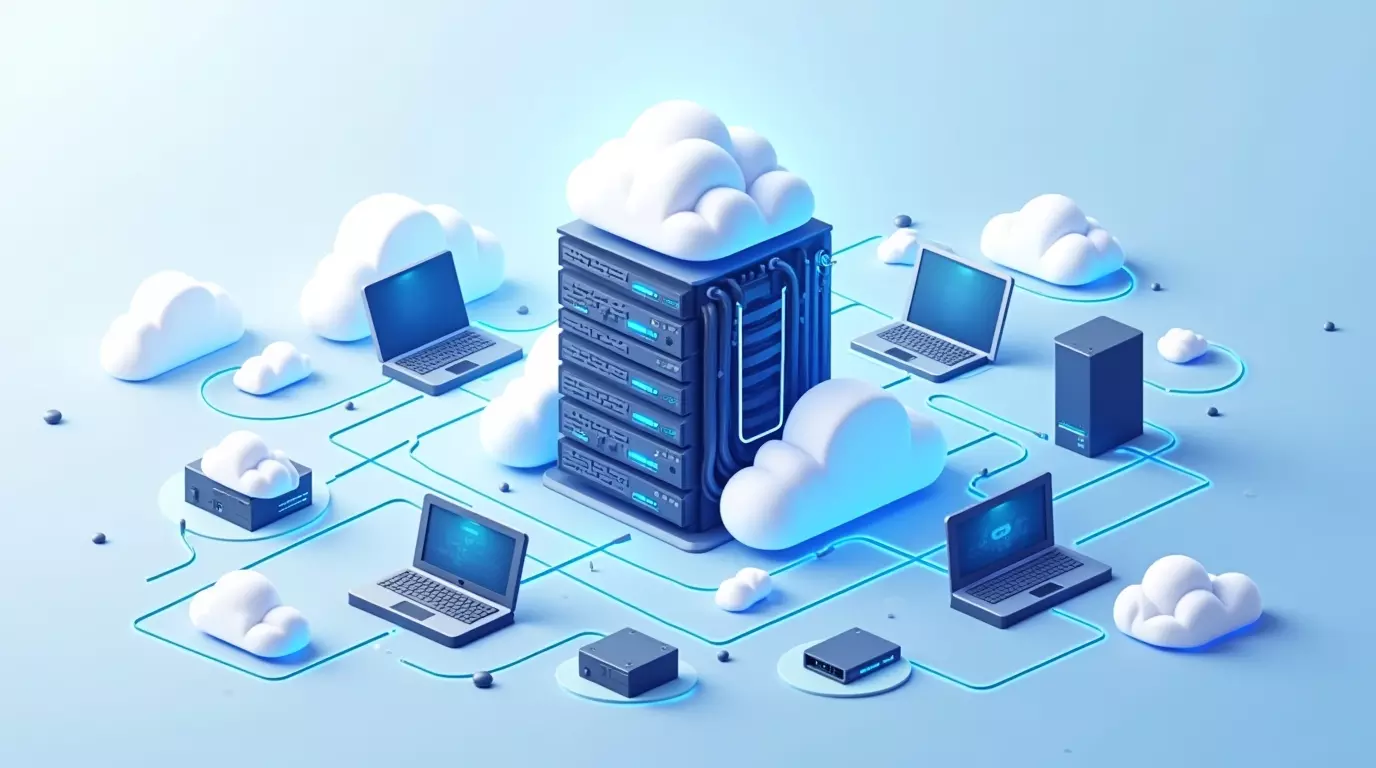
How Cloud-Based Managed IT Services Are Transforming Businesses
In today’s digital-first landscape, businesses are constantly seeking ways to boost efficiency, reduce costs, and remain agile in a rapidly evolving market. One of the most impactful technological shifts driving this transformation is the adoption of cloud-based managed IT services. These services are revolutionizing the way organizations manage their IT infrastructure, streamline operations, and secure data—without the overhead of in-house IT management.
What Are Cloud-Based Managed IT Services?
Cloud-based managed IT services refer to outsourced IT support and infrastructure management delivered via cloud platforms. Instead of maintaining on-premise servers or internal IT teams, businesses can rely on third-party providers to handle their computing, networking, data storage, security, and software updates in the cloud.
This model combines the scalability of cloud computing with the reliability and expertise of managed IT services, enabling businesses to focus on core operations while their technology backbone is professionally maintained.
Enhanced Scalability and Flexibility
One of the key advantages of cloud-based IT services is the ability to scale quickly based on business needs. Whether you’re a startup experiencing rapid growth or an established enterprise expanding into new markets, cloud-based systems can adapt in real-time.
With traditional IT infrastructure, scaling meant investing in hardware, licenses, and personnel. In contrast, cloud managed services offer flexible pricing models—paying only for what you use—making them a cost-effective solution for businesses of all sizes.
Cost Savings and Predictable Budgeting
Managing an in-house IT department comes with significant overhead—equipment purchases, routine maintenance, staff salaries, and training expenses. Cloud-based managed IT services eliminate these costs and convert them into predictable monthly fees.
By outsourcing IT management to a cloud service provider, companies reduce capital expenditures while enjoying enterprise-grade support and infrastructure. This allows for better budgeting, improved cash flow, and more investment in business growth strategies.
Improved Security and Compliance
Cybersecurity remains a top concern for organizations worldwide. Cloud-based managed IT providers implement advanced security protocols such as firewalls, intrusion detection systems, encryption, and regular security audits to safeguard business data.
Moreover, providers often offer compliance-ready environments that align with industry standards such as HIPAA, GDPR, and ISO 27001. This ensures businesses not only protect sensitive information but also meet regulatory obligations without the burden of managing it in-house.
24/7 Monitoring and Proactive Support
Unlike traditional IT setups where issues are often addressed reactively, managed IT services offer 24/7 monitoring and proactive maintenance. Providers identify and resolve potential issues before they disrupt operations, significantly reducing downtime and enhancing productivity.
This always-on support model ensures businesses operate smoothly around the clock, particularly important for companies with global operations or remote workforces in different time zones.
Streamlined Business Continuity and Disaster Recovery
In the event of a data breach, hardware failure, or natural disaster, having a reliable backup and recovery system is critical. Cloud-based managed IT services typically include robust business continuity and disaster recovery solutions, ensuring minimal disruption and quick data restoration.
With cloud backups stored securely offsite, businesses can restore systems within minutes rather than hours or days, preserving customer trust and avoiding financial losses.
Empowering Remote and Hybrid Workforces
The rise of remote and hybrid work models has made flexible access to company resources more important than ever. Cloud-based IT services empower teams to securely access data, applications, and tools from anywhere, using any internet-connected device.
This flexibility enhances collaboration, boosts employee satisfaction, and ensures business continuity regardless of physical location. Managed services providers also ensure that remote access is protected through multi-factor authentication and endpoint security.
Access to the Latest Technology and Expertise
Keeping up with the fast pace of technological advancements can be daunting. With cloud-based managed IT services, businesses gain immediate access to the latest technologies without the need for internal upgrades or retraining staff.
Providers bring specialized knowledge in cybersecurity, cloud optimization, network management, and compliance—skills that are often too costly or difficult to maintain in-house. This access to expertise ensures your IT environment is always aligned with best practices and industry standards.
Centralized Management and Integration
Managing multiple platforms, tools, and vendors can be complex and time-consuming. Cloud-based IT services offer centralized dashboards and integration capabilities, enabling businesses to monitor performance, usage, and security metrics from a single interface.
This centralized management simplifies reporting, enhances visibility, and allows for more informed decision-making, which is especially beneficial for IT teams and business leaders alike.
Environmental Sustainability
Cloud computing contributes to sustainability by reducing energy consumption and carbon footprint. Cloud providers operate large-scale, energy-efficient data centers that use fewer resources compared to on-premise infrastructure.
By transitioning to cloud-based managed IT services, businesses can not only reduce their environmental impact but also align with corporate social responsibility goals and appeal to eco-conscious customers and partners.
Real-World Impact: A Competitive Edge
Companies that have embraced cloud-managed IT services report higher efficiency, reduced downtime, and improved user experience. Whether it’s a retail business leveraging cloud-based inventory systems or a healthcare provider securing patient data through managed cloud environments, the benefits are tangible and far-reaching.
In competitive markets, being able to innovate faster, adapt to change, and scale effortlessly can make all the difference—and cloud IT services provide that edge.
Conclusion: The Future is in the Cloud
The digital transformation journey is no longer optional—it's a necessity for long-term success. Cloud-based managed IT services are at the forefront of this shift, enabling businesses to operate smarter, faster, and more securely.
By embracing these services, organizations not only enhance operational efficiency and reduce costs but also future-proof themselves against technological and economic shifts.
Whether you're a small business aiming for growth or a large enterprise seeking stability and innovation, cloud-managed IT solutions offer the flexibility, security, and support needed to thrive in the modern digital economy.