How Can Gardening for Beginners Start in Small Spaces?
For many people, Gardening feels that large backyard, giant lawn, or a dream reserved for people with homes in rural areas. But in fact, you do not need acres of land to grow your vegetables, herbs or flowers. Even if you live in a small house with an apartment or limited outdoor space, gardening for beginners is absolutely possible there. The secret creativity lies in using the plan and your available space wisely.
If you are new to gardening and wondering how to start in a small space, this guide will make you mostly go through the necessary things to convert the balcony or windowsill into a rich green corner.
1. Take a look at what you have got
Before applying anything, spend some time to study on your location. Do you have a balcony, roof, or just a sunny window in your home? Each option works differently:
- Balconies are perfect for potted vegetables and flowers.
- Windowsills are ideal for herbs such as Basil or parsley.
- When the roof is allowed, you can handle large setups like beds raised.
Also, note how much sunlight your area gets daily. Most fruitful plants, such as tomatoes, about 6 hours of sun are required, while leafy greens such as spinach and lettuce can grow with low.
2. Containers are your best friends
Small places gardening often begins with containers and fortunately, they can be almost anything. From traditional earthen utensils to recycled buckets or wooden boxes, you just need something with good drainage. Pots with holes are best for gardening.
Choose utensils that match the needs of the plant: a small herb does not require a lot of space, while tomatoes or chillies require a very little space. If you want flexibility, go for light utensils that are easy to walk while chasing the sunlight.
3. Grow up, not just out
When the space is tight, think vertical. The vertical gardening is not only practical, but also makes your small garden creative and stylish.
try:
- Baskets hanging to leave flowers or strawberries behind.
- Plants climbing the wall for herbs.
- Stackable shelves for small vegetable utensils.
- DIY palette garden for an environmentally friendly setup.
In this way, even the smallest corner can catch more plants than your expectation.
4. Start simple with easy plants
As a beginning, it is best to grow plants that do not demand much attention. Some reliable options include:
- Herbs: Tulsi, mint, parsley, sealantro.
- Greens: Latus, Spinach, Kale.
- Veggies: Radishes, peppers, cherry tomatoes.
- Flowers: Marigolds, nasturtiums.
These plants grow quickly, remain managed in size, and give you an early win that inspire you.
5. Don't forget the soil
Since you are using containers, the garden soil did not cut it regularly. It is usually very heavy and does not allow roots to breathe. Instead, choose a good quality potting mix-it is light, keeps moisture, and supports development.
For healthy plants, enrich the soil with manure or the organic fertilizer. If you are interested in stability, try a small manure bin at home, even in an apartment - it is easier than you think.
6. Master watering
Water container is one of the most complicated parts of gardening. Small utensils dry up rapidly than garden beds, so you will need to check them regularly.
Tips to make it easier:
- Use a spray bottle for transplanting.
- Add wet grass over the soil (such as straw or dry leaves) so that it can be kept moist for a long time.
- If you travel frequently, try self-water containers.
- Golden Rule? When the soil feels dry, do not water on a schedule.
7. Mix beauty with the ceremony
Why not make your garden both useful and beautiful? Mix food plants with flowers to add color and naturally protect your crops. For example, Marigolds not only brightened the space, but also leaves the insects behind. The lavender is amazing scent and can keep mosquitoes away.
8. Keep growing, keep learning
One of the best things about gardening is that it is a trip, not a race. As a beginning, you will probably face some failures - perhaps the wilt of a plant, or seeds do not sprout required. And this is completely fine. Every gardener learns using it. Try different plants, change around to catch more sunlight, and pay attention to what thrives in your space.
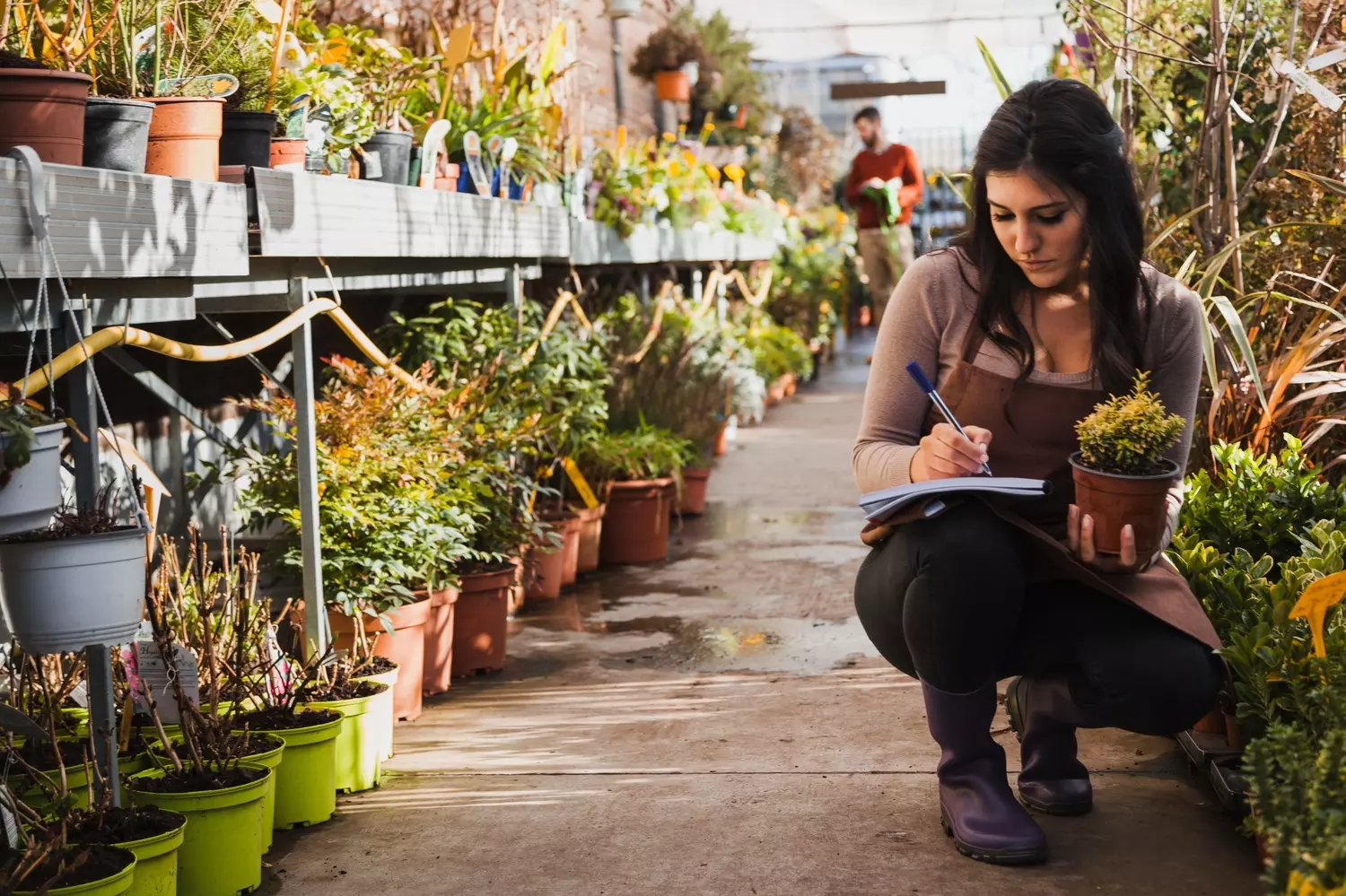
A simple tip? Keep a small magazine or even use your phone what you planted, when you get water, and how each plant responded. Over time, these small observations will guide you to be more healthy and a successful garden.
Conclusion
Starting a garden in a small place may seem heavy at first, but once you start, you will realize how beneficial it is. With just one balcony, window, or small courtyard, you can grow fresh herbs, colored flowers, or even vegetables. It is not about the size of your garden - it is about the bliss and peace that brings your daily life. Gardening in your home not also gives you a fresh vegetables but also gives you a healthy and refreshment life.
In green and Prosperous, we believe that horticulture should be accessible to all, no matter how many places they have. With patience, creativity and correct guidance, even the smallest corner of your home can bloom in a rich small garden.