How Can Cabinet Manufacturers Reduce Material Waste and Increase Profitability?
Cabinet manufacturing is one of the most detail-driven trades in the woodworking industry. Every panel, every cut, and every assembly decision plays a role in determining whether a project turns a healthy profit or barely breaks even.
The pressure to deliver high-quality products on tight timelines while keeping costs under control is a constant reality for manufacturers at every scale.
Achieving true efficiency in wood cutting is not just a technical goal — it is a financial strategy that directly impacts how sustainable and competitive a cabinet business can be over the long term.
Material Waste Origins Explained
It starts with seeing where things go wrong. Most of the time, mess isn’t born from one big mistake but grows out of tiny choices piling up. Off-mark measuring, messy cut orders, panels crammed onto sheets without care - each adds up.
Even small slips by workers play their part in tossing usable stuff aside too soon. Spotting these quiet leaks comes before any real change takes hold. Only then does better control begin to form.
The Cost of Too Much Waste in Making Cabinets
Most people underestimate how much wood adds to expenses, yet flat panel materials take up a big share of what it costs to build cabinets. If cuts go wrong or patterns aren’t smart, money drains fast - no guesswork needed.
Mistakes mean more than just tossing lumber aside; they drag in extra hours spent fixing them, slowing down every step after. Time lost reshaping parts piles on top of material waste, sneaking into totals unnoticed until someone checks closely.
Smart Panel Layouts Reduce Waste
Start smart. Good planning cuts down wasted materials. Instead of slicing sheets at random, pros fit pieces like puzzles. They arrange shapes tight so little gets left behind. Try it by hand. Careful thought already helps. Bring in software. Machines take precision further. Results grow sharper every time.
Accurate Measurement Matters Throughout Production
Mistakes when measuring pop up often. Off by just a bit, a piece might not fit at all. One wrong cut and the whole board gets set aside. Setting clear rules for checking sizes stops trouble early. Workers who learn to trust their tools make fewer blunders.
Slowing down slightly keeps pace steady later. When precision matters more than rushing, less ends up tossed. Teams that pause to verify do better over time. Speed stays high when errors drop out. Fewer fixes mean smoother days overall.
Equipment that maintains steady accuracy over time
What a cabinet shop works with shapes how good and steady its results turn out. Outdated gear, or machines not cared for, usually miss the mark when cutting, leading to more mistakes and extra scrap.
Precision that repeats itself comes easier when new tools are fine-tuned right from the start. Spending more at first? That gap closes fast - less junk left behind, work moves quicker.
Training and Workflow Discipline Boost Profitability
Machines alone don’t win the game. What counts equally is the focus and ability of those running them. Workers who grasp how choices shape output and speed bring serious value to any cabinet workshop.
When teams train often, follow straightforward rules, and feel encouraged to stay attentive, results shift. Less waste appears. Profits grow quieter but steadier. That mindset sticks.
Read: How to Select the Best Laser Source for Your Industrial
Rethinking How Materials and Inventory Are Bought
Start by thinking about buying habits. When supplies match real job demands, less gets thrown away. Picture picking board lengths made for standard cabinet widths - waste slips away quietly. What enters the door should mirror what leaves as furniture. Keeping track of stock changes everything.
Numbers stay clean when updates are regular. Materials sit longer if nobody checks them twice. Smart choices up front ripple through every step after. Fewer leftovers pile up when planning leads the way.
Tracking Key Metrics for Ongoing Progress
When cabinet makers aim to boost profits steadily, they must follow certain figures closely. Not just tracking materials but watching how much waste occurs during cuts shows hidden losses.
A close eye on repair work, along with how long each piece takes to build, exposes inefficiencies over days or weeks. Instead of guessing, shops can rely on data patterns spotted through frequent check-ins on output details.
Even small shifts in usage add up - especially when decisions grow from real numbers instead of habits. Focus tends to sharpen once actual results appear week after week. Efficiency improves most where attention lands - and in woodworking, every board saved lifts profit quietly.
Conclusion
Reducing material waste and increasing profitability in cabinet manufacturing requires a combination of smarter planning, better training, disciplined workflows, and the right equipment.
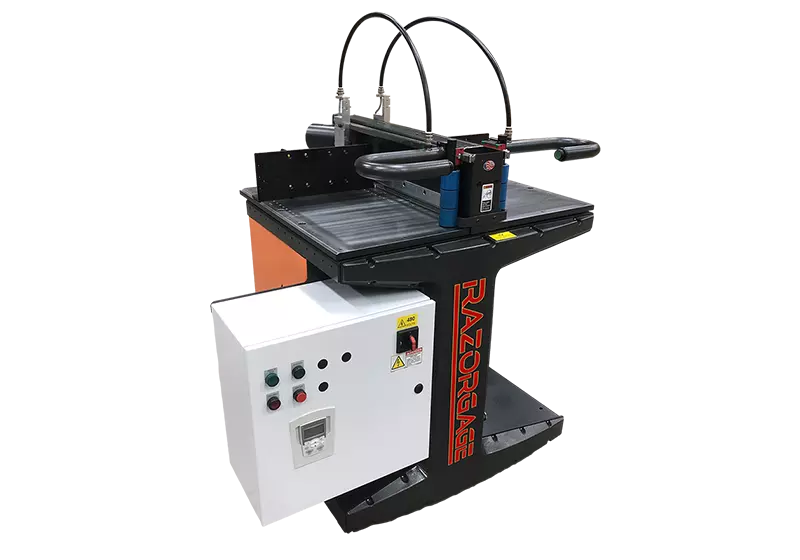
Each of these elements reinforces the others, creating an operation that runs with greater precision and less loss at every stage. Integrating an automatic pusher system into cutting workflows is one example of how targeted technology can support these goals by delivering consistency and reducing the manual variables that lead to costly errors.
Manufacturers who commit to continuous improvement in all of these areas will find that profitability follows naturally from operational excellence.
FAQs
Q: What is the most common source of material waste in cabinet manufacturing?
The most common sources include inaccurate cuts, inefficient panel layout planning, and operator measurement errors that result in components needing to be recut or discarded entirely.
Q: How much can better cutting practices improve profit margins?
Even modest improvements in material yield can have a meaningful impact on margins, since raw materials represent a large share of total production costs in cabinet manufacturing.
Q: Is expensive equipment necessary to reduce waste?
Not necessarily. While modern equipment helps, significant improvements can also come from better training, smarter planning, and more disciplined workflows that do not require major capital investment.
Q: How often should a cabinet shop review its waste and efficiency metrics?
Reviewing key metrics at least monthly is a good practice, though high-volume operations may benefit from weekly reviews to catch problems and opportunities for improvement more quickly.
Q: Can small cabinet shops benefit from these strategies as much as large ones?
Absolutely. The principles of waste reduction and operational discipline apply at any scale. Smaller shops may actually see a proportionally greater benefit since even small improvements in material use can have a noticeable effect on their bottom line.