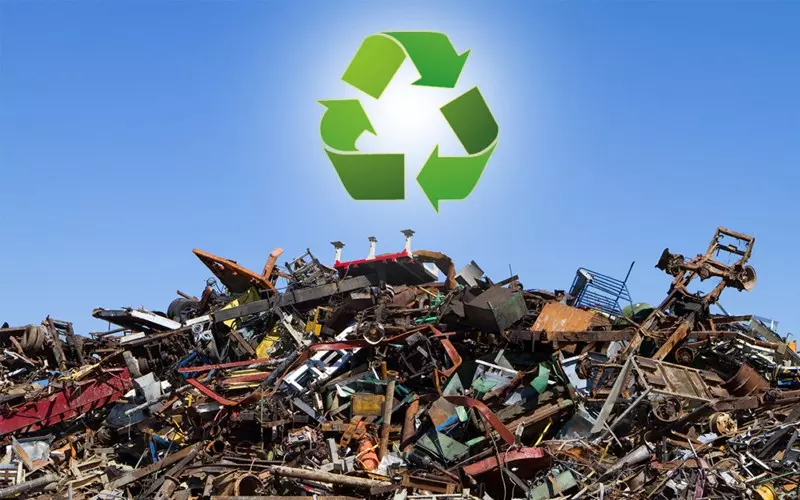
How Brass Scrap Recycling Supports the Circular Economy
When you think of recycling, your mind probably goes straight to glass bottles, plastic containers, or aluminium cans. But have you ever thought about what happens to the old brass tap you replaced during a renovation, or the broken lock you tossed out last month? Those everyday items may look like junk, but they’re made of brass—one of the most recyclable and valuable metals out there.
And here’s the beauty of it: brass doesn’t just get thrown into a landfill. With the right recycling process, it can be melted down, reshaped, and reborn into something entirely new—over and over again. This is where brass scrap recycling plays a crucial role in something bigger than just cleaning out your garage: the circular economy.
What Do We Mean by Circular Economy?
For decades, our world has been stuck in a “take, make, and throw away” cycle. We extract resources, manufacture products, and when they’re no longer useful, they end up in landfills. It’s a linear system, and it’s no secret that it’s harming the planet.
The circular economy offers a smarter alternative. Instead of treating used items as waste, it treats them as valuable resources that can be reused, repaired, or recycled to keep materials in circulation for as long as possible. Think of it like closing the loop—nothing is wasted, and everything finds its way back into use.
Brass scrap recycling is a perfect example of this in action.
Why Brass Fits the Circular Model Perfectly
Unlike some materials that lose quality when they’re recycled, brass keeps its integrity no matter how many times it goes through the process. That old door handle you just replaced? The brass in it could be melted down and used to create a plumbing fitting, a piece of machinery, or even a musical instrument.
Here’s why brass is such a great fit for the circular economy:
- Infinite recyclability: Brass doesn’t weaken with recycling, making it an ideal candidate for endless reuse.
- High value: Brass is worth more than many other common metals, giving individuals and businesses strong incentives to recycle it.
- Energy savings: Recycling brass uses far less energy compared to extracting and refining new copper and zinc (the two metals that make up brass).
So, every time brass is recycled, we’re saving resources, reducing energy use, and keeping valuable materials in the loop.
Cutting Down on Waste and Landfill Pressure
It’s easy to underestimate how much brass ends up in household and industrial waste. Old plumbing pipes, taps, electrical fittings, gears, and locks often get tossed without a second thought. But here’s the catch: these items don’t belong in landfill.
When brass scrap is recycled instead of discarded, it reduces pressure on our already overflowing waste systems. Each small piece of brass adds up, creating a big difference in how much reusable material we can keep out of landfills. By seeing scrap as a resource rather than rubbish, we help reduce the burden on the environment.
Protecting Natural Resources
Mining for copper and zinc—the building blocks of brass—is no small task. It involves huge operations that use large amounts of water, energy, and land, while leaving behind scars on natural landscapes. By recycling brass, we significantly reduce the demand for fresh mining.
Think of it this way: every tonne of brass scrap that gets recycled is one less tonne of raw material that needs to be dug out of the earth. It’s not only about conserving metals but also about protecting ecosystems and saving the energy that mining consumes.
Creating Economic and Community Benefits
The advantages of brass recycling don’t stop at environmental wins—it’s also good for people and the economy.
Brass scrap has a strong market value, which means individuals and businesses can make money from recycling it. Scrap yards, metal traders, and processing plants thrive on this system, creating local jobs and keeping money circulating within the community.
For industries like plumbing, construction, and manufacturing, recycling brass makes financial sense too. Instead of letting old fittings or offcuts go to waste, companies can sell them as scrap, offsetting costs. Meanwhile, manufacturers who buy recycled brass enjoy lower costs compared to sourcing brand-new materials. It’s a win-win for everyone involved.
Feeding Local Industries
Once brass is recycled, it doesn’t just sit in a warehouse. It’s melted down, purified, and shaped into new materials that feed straight back into the economy. From construction projects to musical instrument makers, many industries rely on recycled brass to keep their operations running.
In fact, the brass tap you recycled today could become part of a new building project tomorrow, or even the shiny trumpet in someone’s hands at a local concert. That’s the circular economy in motion—old products coming back to life in fresh and valuable forms.
A Simple Way to Make a Big Impact
One of the best things about brass scrap recycling is how simple it is for everyday people to contribute. Whether you’re a homeowner clearing out old fixtures, a plumber with offcuts from a job, or a business with surplus materials, you can take brass to your local scrap yard and know it’s going to be reused.
And because brass holds such high value, it’s not only an environmentally responsible choice but also a financially rewarding one.
Conclusion
Brass scrap recycling is more than just a smart way to deal with waste—it’s a shining example of how the circular economy works in real life. By keeping brass in circulation, we’re conserving resources, reducing landfill waste, saving energy, supporting local jobs, and giving old products new life.
The next time you come across a worn-out tap, an old key, or a broken lock, remember: it’s not just scrap. It’s the start of another cycle, another product, and another chance to keep the loop turning. Recycling brass is a small action, but it plays a big role in building a sustainable future.
Word count: ~820 ✅