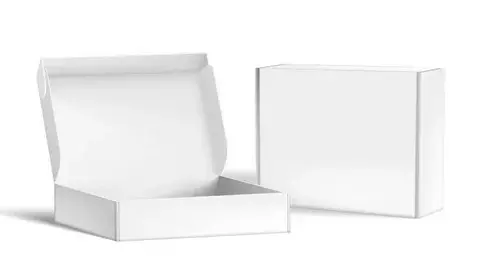
The Power of Packaging: How Blank Boxes Are Revolutionizing Brand Identity and Sustainability
In today's competitive marketplace, packaging transcends its traditional role of merely protecting products. It has become a pivotal element in branding, customer experience, and sustainability initiatives. Among the various packaging solutions, blank boxes have emerged as a versatile and impactful choice for businesses aiming to make a statement.
This article delves into the significance of blank boxes in modern packaging strategies, exploring their benefits, applications, and role in promoting sustainability.
1. The Evolution of Packaging
1.1 From Functionality to Branding
Historically, packaging served the primary purpose of protecting goods during transportation and storage. However, as markets evolved and competition intensified, packaging transformed into a powerful branding tool. Companies began leveraging packaging to communicate brand values, differentiate products, and enhance customer engagement.
1.2 The Rise of Minimalism
In recent years, minimalist design has gained traction across various industries. Consumers are increasingly drawn to clean, simple aesthetics that convey sophistication and authenticity. Blank boxes, characterized by their unadorned surfaces, align perfectly with this trend, offering a canvas for subtle branding and personalization.
2. Advantages of Using Blank Boxes
2.1 Cost-Effectiveness
Blank boxes are typically more affordable than custom-printed packaging. They eliminate the need for expensive printing processes, making them an economical choice for startups and small businesses. Additionally, bulk purchasing of standard-sized blank boxes can lead to further cost savings.
2.2 Versatility and Customization
Despite their simplicity, blank boxes offer immense versatility. Businesses can customize them using stickers, stamps, ribbons, or handwritten notes, allowing for personalized touches that resonate with customers. This flexibility enables brands to adapt packaging for various occasions, promotions, or product lines without the need for entirely new designs.
2.3 Eco-Friendliness
Blank boxes are often made from recyclable or biodegradable materials, aligning with the growing consumer demand for sustainable packaging. Their minimalist design reduces ink usage and energy consumption during production, contributing to a lower environmental footprint.
2.4 Enhanced Unboxing Experience
The unboxing experience has become a crucial aspect of customer satisfaction and social media marketing. Blank boxes, when paired with thoughtful interior packaging and personalized elements, can create a memorable unboxing moment that encourages customers to share their experience online, amplifying brand visibility.
3. Applications Across Industries
3.1 E-Commerce
Online retailers benefit significantly from using blank boxes. They provide a neutral and professional appearance, protecting products during transit while allowing for easy customization. E-commerce businesses can tailor the packaging to reflect seasonal themes or special promotions without overhauling their entire packaging strategy.
3.2 Subscription Boxes
Subscription-based services often utilize blank boxes to maintain a consistent brand image while offering the flexibility to personalize each delivery. This approach keeps packaging costs manageable and allows for creative interior designs that surprise and delight subscribers.
3.3 Retail and Boutiques
Brick-and-mortar stores and boutiques use blank boxes to convey elegance and simplicity. By adding branded elements like logos or custom labels, retailers can create a cohesive brand experience that extends from the store to the customer's home.
3.4 Food and Beverage Industry
In the food sector, blank boxes are used for packaging baked goods, meal kits, and specialty items. Their plain exterior can be complemented with food-safe labels and branding, ensuring compliance with health regulations while maintaining aesthetic appeal.
4. Sustainability and Environmental Impact
4.1 Aligning with Consumer Values
Modern consumers are increasingly environmentally conscious, favoring brands that prioritize sustainability. Blank boxes made from recycled or biodegradable materials demonstrate a company's commitment to eco-friendly practices, fostering customer loyalty and trust.
4.2 Reducing Waste
The simplicity of blank boxes often results in less material usage and waste compared to elaborate, multi-colored packaging. Their recyclability further minimizes environmental impact, supporting circular economy principles.
4.3 Compliance with Regulations
As governments implement stricter regulations on packaging waste and sustainability, adopting blank boxes can help businesses stay compliant. Their eco-friendly nature aligns with many of these regulatory requirements, reducing the risk of penalties and enhancing brand reputation.
5. Enhancing Brand Identity Through Simplicity
5.1 Building a Strong Brand Narrative
Blank boxes offer a blank slate for storytelling. Brands can use the simplicity of the packaging to focus attention on the product itself, conveying messages of purity, quality, and authenticity. This approach can be particularly effective for artisanal or handcrafted products.
5.2 Encouraging Customer Interaction
The minimalist design of blank boxes invites customers to engage more deeply with the product and brand. Personalized touches, such as handwritten thank-you notes or custom inserts, can foster a sense of connection and appreciation, enhancing customer experience.
5.3 Flexibility for Marketing Campaigns
Blank boxes provide the flexibility to adapt packaging for various marketing initiatives. Whether it's a holiday promotion, product launch, or collaboration, businesses can easily modify the packaging with minimal investment, ensuring consistency and relevance across campaigns.
6. Implementing Blank Boxes in Your Packaging Strategy
6.1 Assessing Your Brand Identity
Before transitioning to blank boxes, evaluate how this packaging aligns with your brand values and customer expectations. Consider whether a minimalist approach complements your product offerings and overall aesthetic.
6.2 Sourcing Sustainable Materials
Partner with suppliers that offer eco-friendly blank boxes made from recycled or biodegradable materials. Ensure that the packaging meets quality standards to protect your products effectively.
6.3 Customization Techniques
Explore various customization methods to add unique touches to your blank boxes. Options include:
- Stickers and Labels: Affordable and versatile, allowing for easy updates and seasonal themes.
- Stamps: Reusable and cost-effective for small batches.
- Handwritten Notes: Personalized messages that enhance customer connection.
- Ribbons and Wraps: Add a touch of elegance and can be tailored to different occasions.
6.4 Monitoring Customer Feedback
After implementing blank boxes, gather customer feedback to assess the impact on satisfaction and brand perception. Use surveys, reviews, and social media interactions to gauge responses and make informed adjustments.
Conclusion
Blank boxes represent a strategic choice for businesses aiming to balance cost-effectiveness, sustainability, and brand identity. Their minimalist design offers versatility and aligns with contemporary consumer preferences for simplicity and eco-consciousness. By thoughtfully integrating blank boxes into your packaging strategy, you can enhance customer experience, reinforce brand values, and contribute to a more sustainable future.