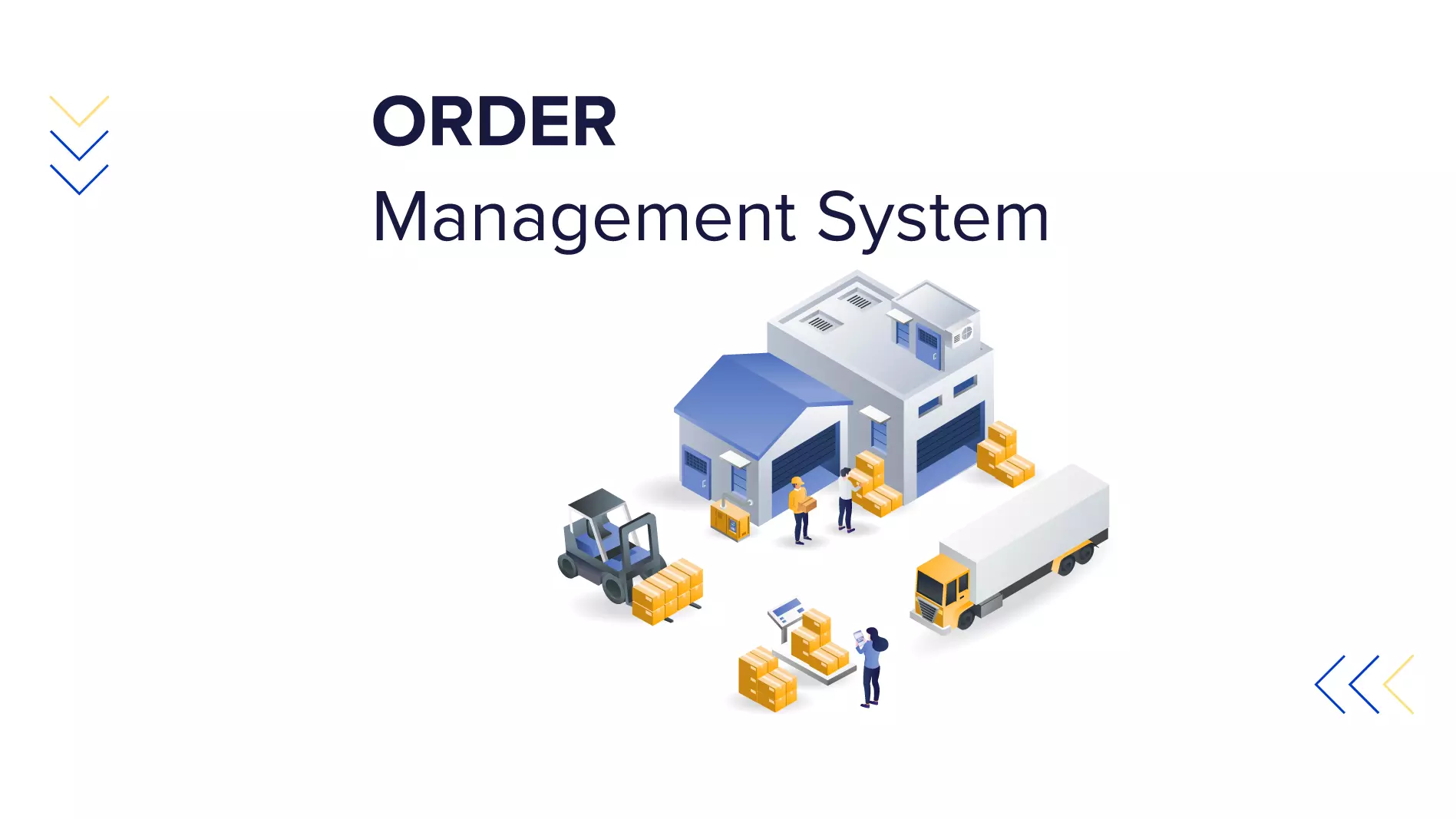
How Automation Enhances Customer Order Processing
Customer expectations continue to rise as businesses compete to deliver faster, more accurate, and more reliable services.
Modern consumers expect quick confirmations, real-time updates, and timely deliveries with minimal errors. Meeting these expectations using manual processes has become increasingly difficult, particularly as order volumes continue to grow.
Manual order processing often involves repetitive data entry, paper-based approvals, inventory mismatches, and communication delays. These inefficiencies not only slow business operations but also increase the likelihood of costly mistakes that negatively impact customer satisfaction.
Automation provides businesses with an effective solution for streamlining customer order processing.
By reducing manual tasks, improving visibility, and integrating business functions, organizations can process orders faster while maintaining high levels of accuracy. The result is a more efficient operation that benefits both customers and employees.
Understanding Automated Order Processing
Automated order processing uses digital technology to manage customer orders from initial placement through fulfillment with minimal manual intervention.
Many businesses implement an order management system to automate order entry, inventory updates, payment verification, shipping coordination, and customer notifications, creating a faster and more reliable workflow.
Unlike traditional manual methods, automation ensures information flows seamlessly between departments without repeated data entry. This reduces processing delays while improving operational consistency.
As businesses continue expanding across multiple sales channels, automation becomes essential for maintaining speed, accuracy, and customer satisfaction.
Reducing Manual Errors in Order Management
Manual data entry remains one of the leading causes of order processing errors. Incorrect customer information, duplicate orders, pricing mistakes, and inventory discrepancies can result in delayed shipments and dissatisfied customers.
Automation significantly reduces these risks by validating information before processing begins. Digital workflows ensure customer data is entered consistently while minimizing human error throughout the process.
Automated verification also improves accuracy by checking product availability, pricing, shipping information, and payment status before confirming an order.
Reducing manual errors helps businesses improve customer confidence while lowering operational costs associated with corrections and returns.
Accelerating Order Fulfillment
Fast order fulfillment has become a competitive advantage for businesses operating in today's marketplace. Customers increasingly expect rapid delivery and accurate order status updates throughout the purchasing journey.
Automation accelerates fulfillment by instantly validating orders, allocating inventory, generating shipping documentation, and notifying warehouse teams. Tasks that previously required multiple manual steps can now be completed within seconds.
Many businesses use an order management system to synchronize customer orders with warehouse operations, ensuring products are picked, packed, and shipped more efficiently.
Faster fulfillment not only improves customer satisfaction but also enables businesses to process larger order volumes without increasing administrative workloads.
Improving Inventory Visibility
Accurate inventory visibility is essential for efficient customer order processing. Businesses must know exactly what products are available before accepting new orders.
Automated inventory management provides real-time stock updates whenever products are purchased, returned, transferred, or received. This prevents overselling while helping businesses maintain optimal inventory levels.
Improved inventory visibility also supports better purchasing decisions, demand forecasting, and warehouse planning.
Organizations with accurate inventory information experience fewer fulfillment delays and stronger customer confidence.
Enhancing Customer Communication
Customers value transparency throughout the order process. Automated communication keeps buyers informed from purchase confirmation through final delivery.
Automatic order confirmations, shipping notifications, delivery updates, and tracking information provide customers with real-time visibility into their purchases. These updates reduce uncertainty while minimizing customer service inquiries.
Businesses can also automate responses to common questions, allowing support teams to focus on more complex customer needs.
Consistent communication strengthens trust, improves satisfaction, and creates a better overall purchasing experience.
Integrating Business Systems
Disconnected business systems often create delays by requiring employees to enter identical information across multiple platforms. Integration eliminates these inefficiencies by connecting sales, inventory, finance, shipping, and customer service systems.
When departments share synchronized information, businesses eliminate duplicate work while improving operational accuracy. Sales teams can access current inventory, finance departments receive payment updates instantly, and warehouse staff process orders more efficiently.
Integrated operations reduce processing time while supporting smoother collaboration throughout the organization.
Businesses with connected systems experience stronger operational performance and improved customer service.
Leveraging Data and Analytics
Automation generates valuable operational data that helps businesses continuously improve customer order processing. Managers gain visibility into processing times, fulfillment performance, shipping accuracy, inventory movement, and customer satisfaction.
Performance analytics identify workflow bottlenecks before they significantly affect operations. Businesses can monitor key performance indicators and implement improvements based on measurable results.
Advanced reporting also supports better forecasting by identifying seasonal demand patterns, inventory requirements, and staffing needs.
Data-driven decision-making enables organizations to optimize operational efficiency while improving customer experiences.
Read: I Reviewed 15 Delivery Management Software Tools
Scaling Operations Through Automation
Business growth often brings increased order volumes that manual processes cannot efficiently support. Without automation, organizations may struggle to maintain service quality while managing higher customer demand.
Automation enables businesses to scale operations without proportionally increasing administrative staff. Digital workflows process larger numbers of orders while maintaining consistent speed and accuracy.
An order management system helps organizations coordinate growing sales volumes across multiple sales channels while reducing operational complexity.
Scalable automation allows businesses to expand confidently while maintaining high levels of customer satisfaction.
Future Trends in Order Processing Automation
Technology continues transforming customer order processing through artificial intelligence, machine learning, predictive analytics, and cloud-based platforms.
AI-powered solutions can automatically prioritize orders, predict inventory shortages, recommend fulfillment improvements, and identify potential processing issues before they occur.
Predictive analytics supports smarter planning by forecasting customer demand and optimizing inventory allocation.
Businesses increasingly invest in an order management system enhanced with intelligent automation to improve efficiency, strengthen customer experiences, and prepare for future operational growth.
Organizations embracing these innovations will remain competitive while delivering faster, more personalized customer service.
Conclusion
Automation has become an essential component of efficient customer order processing. By reducing manual errors, accelerating fulfillment, improving inventory visibility, enhancing customer communication, integrating business systems, and utilizing real-time analytics, businesses create faster and more reliable operations.
Organizations that embrace automation not only improve operational efficiency but also strengthen customer satisfaction, reduce costs, and support long-term business growth.
As technology continues evolving, investing in intelligent order processing solutions will remain a key strategy for businesses seeking to deliver exceptional customer experiences while maintaining a competitive advantage.