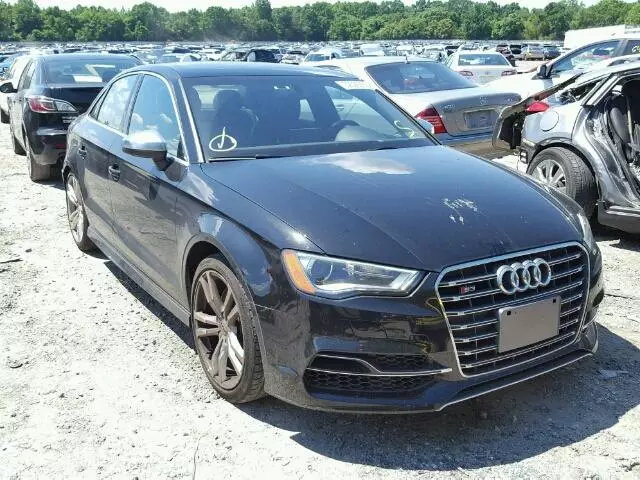
How Audi Cars Reach Their Final Chapter in Brisbane’s Auto Yards
Audi cars have long been admired for their strong build, refined engineering, and smooth driving quality. From city roads to open highways, many Brisbane motorists have chosen the brand for comfort and control. Over time, even well-built vehicles eventually reach a point where repair becomes difficult.
When this happens, these cars often find their way into auto yards across Brisbane, where their final chapter offers far more than a simple end. The path of an Audi from road-ready condition to a salvage yard reveals important details about design, recycling, and the long-term role of used vehicles in Brisbane’s motoring landscape.
Why Audi Cars Eventually Reach Auto Yards
Every vehicle, no matter its make, follows a cycle of use, wear, and retirement. Audi models often have a long lifespan due to strong mechanical components, but several factors can lead to their arrival at auto yards:
Age and Declining Performance
Audi engines are known for strong output, but age brings natural wear to pistons, valves, gearboxes, and electronic systems. The cost and complexity of repair for older models often increase with time. When a major issue arises, many owners decide to retire the vehicle instead of spending large sums on repair.
Accidents and Structural Damage
Brisbane roads see thousands of vehicles travel daily. A single collision, even at moderate speed, can cause damage that affects the frame or safety systems of an Audi. Once airbags deploy or the chassis bends, the car may be written off by insurers, leading to its transfer to a salvage yard.
Parts Obsolescence in Older Models
Older Audi models sometimes reach a point where finding replacement parts becomes difficult. When parts are no longer available locally or overseas, repairs become impractical. Auto yards then play a crucial role by dismantling similar models to keep other vehicles running.
Flood or Water Damage
South-east Queensland has experienced flooding in various years, and water damage can severely impact a vehicle’s electrical system. Audi models, known for detailed electronic layouts, can become inoperable after such events. These cars often enter salvage yards for dismantling.
What Happens When an Audi Arrives at a Brisbane Salvage Yard
Once an Audi enters an auto yard, it begins a detailed process that focuses on careful handling, material recovery, and environmental responsibility. This process follows several steps designed to minimise waste and make use of every suitable component.
1. Initial Assessment
Staff examine the vehicle to identify working parts, damage levels, and safety concerns. This assessment helps determine which parts can be salvaged for reuse and which materials can be recycled.
2. Removal of Fluids
Before dismantling begins, the team removes engine oil, transmission fluid, brake fluid, coolant, and fuel. These materials are handled with care to ensure safe storage and disposal. Brisbane’s environmental requirements guide this stage to prevent soil and water contamination.
3. Dismantling of Components
Audi models contain parts that remain valuable long after the vehicle stops running. Engines, alternators, gearboxes, doors, mirrors, bonnet parts, and interior components often remain in solid condition. Skilled workers dismantle these sections by hand or with specialised tools to avoid damage.
4. Sorting and Storing Reusable Parts
Many Audi owners in Brisbane look for second-hand parts to maintain their cars. Salvage yards create organised storage spaces where working parts are cleaned, labelled, and catalogued. These parts often end up helping other vehicles remain on the road, reducing environmental waste and lowering manufacturing pressure.
Read: Why Regular Automotive Services Save You Money
5. Metal Recovery and Recycling
Audi bodies are built using strong metals, including steel and aluminium. When a vehicle is fully dismantled, the remaining shell is crushed and sent to metal recyclers. These metals are melted and repurposed for new products, reducing the need for fresh mining and lowering energy consumption.
How Audi Parts Support Brisbane’s Automotive Scene
Auto yards that handle Audi vehicles play an important role in Brisbane’s motoring ecosystem. By dismantling retired cars, they supply used parts to workshops, private buyers, and restoration projects. Many older Audi models remain on Brisbane roads thanks to the availability of used parts from salvage yards.
This cycle of reuse helps support enthusiasts who maintain classic models such as the Audi A4 B5, A6 C5, and early Quattro variants. Many of these vehicles hold strong sentimental or collector value, and access to used parts is essential for their long-term preservation.
Environmental Impact of Recycling Old Audi Cars
Retired Audi vehicles do more than provide parts. They also contribute to a cleaner environmental outcome. Recycling helps reduce landfill waste, protects metal resources, and lowers energy use in new manufacturing.
Reduced Landfill Waste
A full vehicle contains metals, plastics, glass, and rubber. Auto yards recover most of these materials for reuse. As a result, very little of the original vehicle becomes waste, which helps reduce pressure on Brisbane’s landfill sites.
Energy Conservation
Recycling steel uses far less energy than producing new steel from ore. Aluminium recycling also lowers energy consumption. Since Audi vehicles contain larger volumes of aluminium compared to many brands, recycling becomes even more important.
Lower Emissions
Reusing metals produces fewer emissions than mining and manufacturing new materials. This helps support environmental goals across Queensland.
Why Some Audi Models Are Popular in Brisbane’s Auto Yards
Certain Audi models appear more frequently in salvage yards because of age, mechanical complexity, or resale patterns.
Popular models include:
- Audi A4 sedans
- Audi A6 wagons and sedans
- Early Audi Q5 and Q7 SUVs
- Audi TT sports models with engine or transmission issues
These vehicles may have high repair costs, making them more likely to be retired once a major component fails.
Promotional Paragraph (Natural Integration)
Many Brisbane car owners who are ready to retire an old Audi look for a simple way to clear the vehicle while also receiving a fair return based on its parts and metal. This is where services like cash for audi brisbane can assist by collecting the vehicle and ensuring responsible handling through recycling and dismantling. More details can be found at.
This option aligns with the broader journey of salvage and helps keep unused vehicles out of landfills while offering a practical outcome for owners.
The Future of Audi Vehicles in Brisbane Auto Yards
As automotive technology continues to shift towards hybrid and electric systems, future Audi models entering salvage yards will bring new challenges. These vehicles contain batteries, electronic modules, and structural designs that differ from older models. Auto yards will need updated tools, storage facilities, and handling systems to manage these vehicles safely.
Over the next decade, Brisbane is likely to see more hybrid Audi models reach their end-of-life stage. Salvage yards will become even more important as recycling plants learn to process new materials and components. This transition will shape the next chapter of recycling across Queensland.
Read More
Conclusion
Audi cars may leave the road, but they still have an important place in Brisbane’s automotive cycle. Through salvage operations, recycled materials, and reused parts, these vehicles continue to contribute long after their final drive.
Auto yards across Brisbane help preserve resources, reduce waste, and support the long-term maintenance of thousands of cars still in use. The story of a retired Audi is not an end, but a detailed process that connects environmental care, motoring history, and responsible recycling.