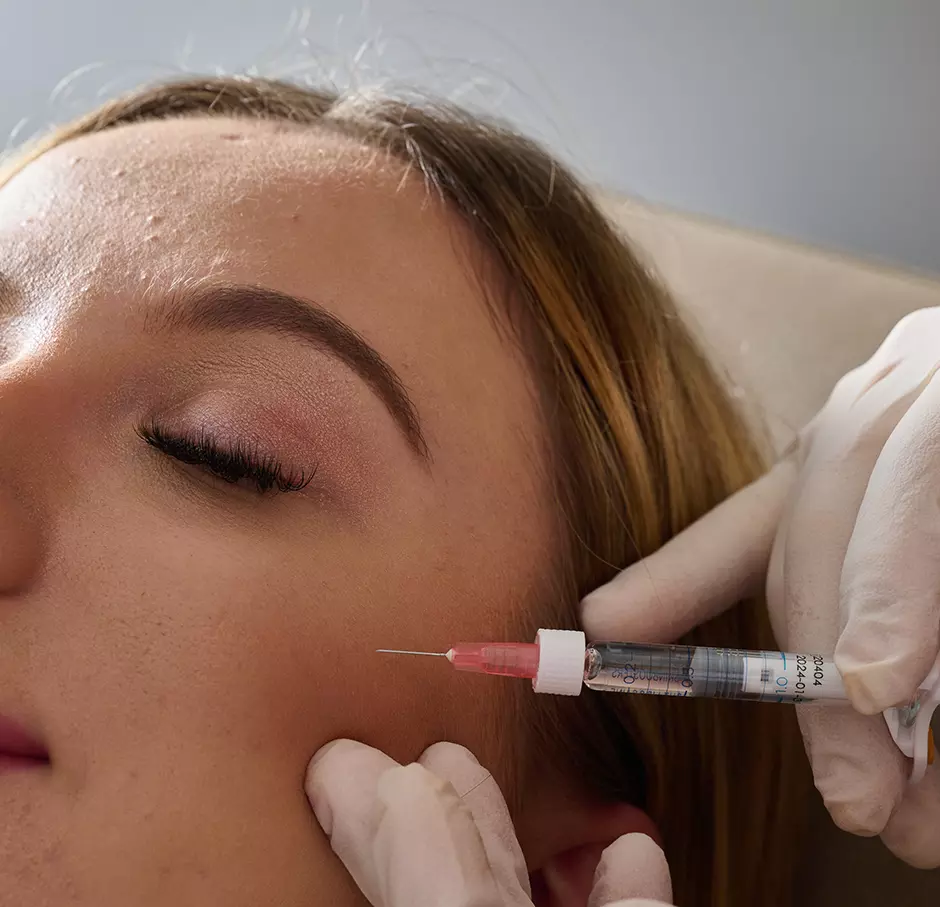
How Are Cheek Fillers Different from Botox?
As non-surgical cosmetic procedures continue to rise in popularity, many people wonder: how are cheek fillers different from Botox? While both treatments are designed to enhance facial appearance, they serve completely different purposes and work in distinct ways.
Understanding the differences between these two injectable options is crucial when deciding which one aligns best with your aesthetic goals. Whether you're seeking volume, contour, wrinkle reduction, or a youthful glow, this article breaks down the key distinctions between Cheek Fillers(حشو الخد) and Botox, their roles in facial rejuvenation, and how they complement each other when used strategically.
The Purpose and Function of Each Treatment:
Cheek fillers are typically made of hyaluronic acid or other biocompatible substances that add volume and lift to the mid-face area. Their main function is to restore lost fullness in the cheeks, enhance contour, and create a more structured and youthful appearance. Fillers are ideal for individuals who experience volume loss due to aging or simply wish to sculpt and define their facial structure without surgery.
On the other hand, Botox is a neurotoxin that temporarily relaxes specific muscles to reduce the appearance of dynamic wrinkles — those caused by repetitive facial expressions such as frowning, squinting, or smiling. Rather than adding volume, Botox smooths fine lines and softens muscle movement, making it most effective for the upper face, such as forehead lines and crow’s feet.
Both treatments are injectable, but their mechanisms and outcomes are entirely different. Understanding their individual purposes is essential in selecting the right approach for facial enhancement.
Key Differences in Application and Results:
When comparing how cheek fillers differ from Botox, it's important to look at how and where they are used:
- Target Areas:
- Cheek Fillers: Used to enhance the mid-face, lift the cheeks, and restore volume.
- Botox: Commonly used on the forehead, between the eyebrows, and around the eyes to relax wrinkles.
- Treatment Goals:
- Cheek Fillers: Focus on structural enhancement, contouring, and lifting.
- Botox: Aims to minimize the appearance of fine lines and prevent new wrinkles from forming.
- Mode of Action:
- Cheek Fillers: Physically fill and plump areas beneath the skin.
- Botox: Temporarily blocks nerve signals to muscles to reduce movement.
- Results Timeline:
- Cheek Fillers: Immediate results that improve over a few days.
- Botox: Takes 3 to 7 days to show effects, with full results in about two weeks.
These differences are what make each treatment uniquely suited for specific facial concerns.
Potential Risks of Cheek Fillers vs. Botox:
Like any cosmetic procedure, both cheek fillers and Botox come with potential side effects, although they are generally low-risk when performed by trained professionals.
Cheek Filler Risks:
- Bruising and swelling
- Asymmetry or uneven results
- Filler migration or lumps
- Rare vascular complications
Botox Risks:
- Mild bruising or swelling at injection sites
- Temporary eyelid drooping (ptosis) if injected incorrectly
- Headache or tightness in the forehead
- Risk of resistance if overused
Each treatment has its own safety profile, and it's essential to understand the potential side effects before proceeding with any cosmetic injections.
Benefits of Both Treatments When Used Together:
Although Cheek Fillers Injections (حقن حشو الخد) and Botox differ in their action and purpose, they can work beautifully together to achieve a harmonious, refreshed look. This combination approach is often referred to as a "liquid facelift."
Benefits of Combining Cheek Fillers and Botox:
- Cheek fillers lift and restore volume to the midface, reducing sagging
- Botox smooths expression lines, especially in the upper face
- Together, they address both volume loss and dynamic wrinkles
- The overall result is a more youthful, rejuvenated appearance without surgery
Using both treatments strategically allows for a more comprehensive approach to facial aesthetics, targeting multiple concerns in one plan.
Frequently Asked Questions:
Can cheek fillers and Botox be done at the same time?
Yes, many people choose to receive both treatments during the same appointment. They work on different areas and complement each other well.
Do the results last the same amount of time?
No. Cheek fillers generally last 9 to 18 months, depending on the product and metabolism. Botox typically lasts 3 to 4 months before needing a refresh.
Will fillers or Botox make my face look frozen?
Botox, when overused, can create a frozen look, but when done properly, it softens lines without affecting your natural expressions. Cheek fillers don’t affect muscle movement, so they won’t create a stiff appearance.
Which one is better for anti-aging?
It depends on the concern. Botox is better for preventing and reducing fine lines, while fillers address sagging and volume loss. The best anti-aging results often come from using both.
Is one safer than the other?
Both are considered safe when administered by trained hands. The safety largely depends on the injector’s experience and product quality.
Conclusion:
So, how are cheek fillers different from Botox? While both are injectable treatments aimed at facial enhancement, they serve different functions: cheek fillers add volume and structure, while Botox relaxes muscles to smooth wrinkles. Understanding these differences is essential to making informed choices about your aesthetic care.
When used alone or in combination, both treatments offer powerful yet subtle improvements that can enhance your natural beauty. Whether you're addressing signs of aging or seeking facial refinement, knowing the unique strengths of each will guide you toward the best solution for your personal goals.