How Advertising Photography Shapes Brands and Why Modern Tools Like AI Photo Editors Matter
What Is Advertising Photography?
Advertising photography is more than just snapping a picture. It’s about crafting a story that sells. Every image is designed with intention—to capture attention, stir emotion, and push a viewer toward action.
When you see a billboard of a steaming burger, or a glossy ad for perfume, that’s advertising photography at work. These aren’t random shots. They are carefully planned visuals where lighting, composition, and editing blend to persuade.
Unlike personal photography, this form of photography is commercial in nature. It’s tied directly to branding, sales, and consumer behavior.
Why Is Advertising Photography So Powerful?
Think about this: people remember 80% of what they see but only 20% of what they read. That makes imagery the backbone of advertising.
A powerful image can:
- Create instant recognition of a brand
- Trigger emotional responses
- Increase trust in a product
- Influence buying decisions subconsciously
Stories sell. A product image in advertising is not just about showing what it looks like. It’s about showing how it feels to use it, how it fits into someone’s lifestyle, or why it’s different from the competition.
Who Uses Advertising Photography?
Almost every business that wants visibility. From startups to multinational corporations, brands use photography to build authority.
Common industries relying on advertising photography:
- Fashion – Clothing brands depend heavily on editorial shoots and styled campaigns.
- Food and Beverage – Restaurants, cafes, and packaged goods use appetizing visuals to attract customers.
- Real Estate – High-quality property images influence buyers faster than written descriptions.
- Technology – Gadgets, apps, and electronics are marketed with sleek, futuristic shots.
- Automotive – Cars are presented as status symbols, lifestyles, and experiences through imagery.
Even small businesses like bakeries or gyms now lean on visual campaigns to compete in digital spaces.
The Key Elements of Great Advertising Photography
So what separates a regular photo from one that drives sales? Several elements matter.
1. Strong Concept
Every photo begins with an idea. What emotion do you want the audience to feel? Excitement, trust, desire?
2. Perfect Lighting
Lighting transforms mood. Harsh shadows can make a tech product look bold. Soft light can make a baby product look safe and warm.
3. Composition and Framing
Angles, positioning, and balance matter. Good composition guides the eye to the main subject.
4. Post-Processing
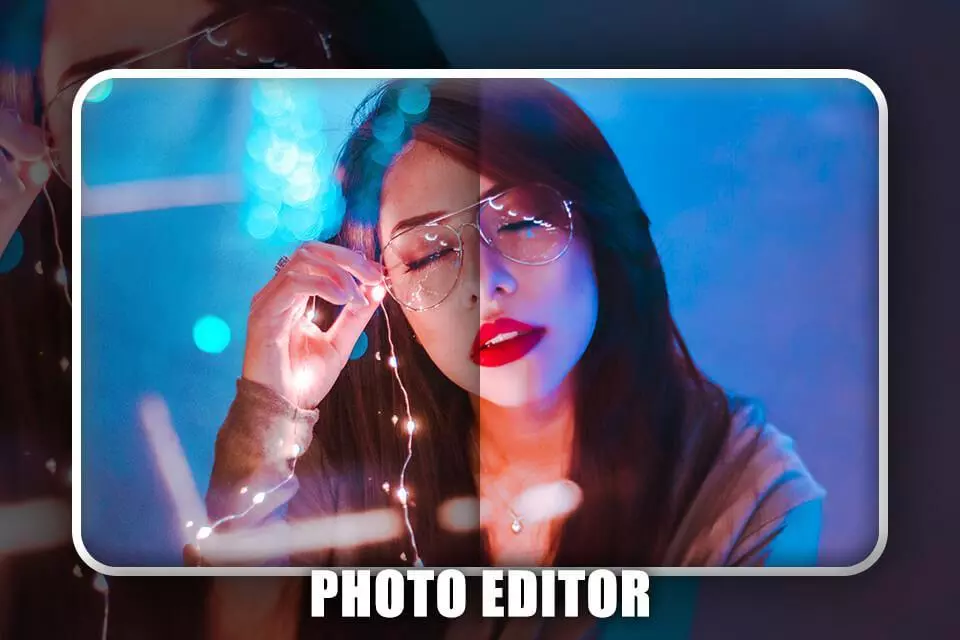
Here’s where editing tools come in. Retouching, color correction, and enhancements elevate a photo from good to outstanding. This is where modern tools like an ai photo editor save time and sharpen creativity.
Storytelling in Advertising Photography
A good ad doesn’t just show. It narrates. Imagine a shoe ad. One photographer might shoot the shoe alone on a white background. Another might capture it on a runner sprinting through rain, with droplets flying. Which one sells better?
It’s the second. Because it sells a story of resilience, performance, and energy. That’s what buyers want—to see themselves in the story.
Advertising photography at its best connects with human experiences.
Types of Advertising Photography
There’s no single style. Different businesses use different formats.
- Product Photography – Focused on showing products in detail.
- Lifestyle Photography – Captures people using products in real-life settings.
- Fashion Photography – Stylish, dramatic, often shot for magazines and campaigns.
- Food Photography – Designed to make dishes irresistible.
- Conceptual Photography – Creative, symbolic, and often abstract.
Each type requires different skills, props, and approaches.
How Editing Enhances Advertising Photography
Editing is the secret weapon. Raw images rarely tell the full story. Editing sharpens focus, corrects flaws, and makes visuals more engaging.
Traditional editing was done with tools like Photoshop. But today, brands and photographers increasingly use smart tools like an ai photo editor.
Why? Because AI speeds up the process. It removes backgrounds in seconds, adjusts colors automatically, and even generates realistic shadows. That means more time for creativity, less time on repetitive tasks.
The Role of AI Photo Editors in Modern Advertising
AI isn’t replacing photographers. It’s amplifying their capabilities. With the right ai photo editor, professionals can:
- Retouch images in minutes instead of hours
- Apply style filters that match brand identity
- Test multiple variations of an ad visual quickly
- Save costs for small businesses that can’t afford large editing teams
Imagine a local bakery wanting to compete online. They may not have a budget for a full creative team. But with advertising photography and AI-driven tools, they can polish their images to look like global brands.
How Do Businesses Plan Advertising Photography Campaigns?
The process is structured but creative.
- Research the Audience – Who are they selling to?
- Concept Development – What story or vibe will the visuals carry?
- Pre-Production – Location, props, models, and equipment planning.
- The Shoot – Executing the creative vision.
- Post-Production – Editing with advanced tools, often including AI-based enhancements.
- Distribution – Using images across ads, websites, and social media.
Every step is intentional. Nothing is left to chance.
Real-Life Example
A clothing startup wants to sell eco-friendly shirts. Instead of showing just the shirts on hangers, their advertising photography depicts young people hiking in nature while wearing them. The lighting is natural, the colors earthy.
Later, an ai photo editor is used to enhance the greens, clean up distractions in the background, and adjust the models’ skin tones for consistency. The result? A campaign that screams sustainability and style.
Within weeks, the brand notices increased engagement online. That’s the power of combining human creativity with smart editing tools.
Common Mistakes in Advertising Photography
Not every campaign succeeds. Mistakes happen.
- Over-editing – Too many filters make images look fake.
- Ignoring the Audience – A photo may look artistic but fail to connect with buyers.
- Poor Lighting – Even with editing, bad lighting can ruin a shot.
- Lack of Consistency – Images that don’t align with brand identity confuse customers.
Avoiding these pitfalls requires both skill and strategy.
Best Practices for Effective Advertising Photography
If you want to excel in this field, here are some proven practices:
- Focus on storytelling, not just visuals.
- Invest in good lighting equipment.
- Use editing tools wisely—subtlety works best.
- Test images on small focus groups before full campaigns.
- Stay updated with new tools like ai photo editor software.
Future of Advertising Photography
Where is this field headed? Technology will keep reshaping it. AI will play an even bigger role, from generating mock-up campaigns to real-time editing.
But the heart of advertising photography will remain human creativity. Machines may assist, but people still connect with stories, emotions, and authenticity.
We may see virtual ads, interactive product placements, and AR campaigns where photography blends with immersive experiences. The line between reality and digital imagination will blur.
Conclusion
Advertising photography is not just about taking pictures. It’s about shaping perceptions, telling stories, and building brands. It connects products to people through visuals that inspire action.
With the rise of digital marketing, the demand for compelling visuals is only growing. Businesses that invest in strong advertising photography see better engagement, higher conversions, and long-lasting brand recognition.
And with smart tools like an ai photo editor, the process has become more efficient, accessible, and powerful. It’s no longer just about the camera—it’s about how technology and creativity work together.
In the end, great advertising photography doesn’t just show products. It shows possibilities.