How a WhatsApp Tracker Helps You Understand Digital Communication Patterns
Most parents know who their children spend time with in the real world.
They know their close friends, teachers, relatives, neighbors, and classmates. They have a general idea of who influences their daily lives. The digital world is different.
A child may spend hours communicating through WhatsApp without parents realizing how those conversations fit into their everyday routine. That doesn't automatically mean something is wrong. It simply reflects how modern communication has changed.
Instead of meeting after school every day, children now continue conversations through messaging apps. Homework discussions happen online.
Group projects are organized in WhatsApp communities. Sports teams coordinate practice sessions through group chats, and family members stay connected across different cities.
For parents, the challenge isn't stopping children from using WhatsApp. The challenge is understanding how that communication affects their daily lives.
A WhatsApp tracker gives parents a clearer picture of communication patterns, allowing them to support healthier digital habits instead of making assumptions.
Communication Habits Change Before Behavior Does
Parents often notice changes after they become obvious. Grades begin falling. Sleep becomes irregular. Family conversations become shorter. Mood changes become more noticeable.
In many situations, digital communication patterns begin changing much earlier. A child who usually opens WhatsApp a few times during the evening may suddenly remain active throughout the day. Weekend conversations become late-night conversations. Quick messages become lengthy discussions.
These changes are not necessarily signs of danger. Sometimes they reflect new friendships or school activities. Sometimes they indicate increasing social pressure.
Recognizing these patterns early allows parents to ask supportive questions before small concerns become larger challenges.
Digital Routines Say More Than Individual Messages
Many people imagine a WhatsApp tracker as something that focuses on reading conversations. Healthy digital parenting works differently. Parents often learn much more from routines than from isolated messages.
- How often is WhatsApp opened?
- When is the application most active?
- Does communication increase during school hours?
- Has late-night activity become a daily habit?
- Has overall usage doubled compared to previous weeks?
These questions provide context. Context helps parents understand behavior without rushing to conclusions. Looking at patterns encourages thoughtful parenting instead of emotional reactions.
Every Child Has a Different Communication Style
No two children use WhatsApp in the same way. Some enjoy group discussions. Others prefer individual conversations. Some mainly send voice notes. Others rarely type long messages.
One child may open WhatsApp only after school. Another may communicate throughout the day because of sports teams, clubs, or extracurricular activities.
This is why comparisons between siblings rarely help. Parents should focus on their own child's normal routine.
A WhatsApp activity tracker is valuable because it highlights changes in their routines rather than comparing children with one another. The goal isn't perfection. The goal is awareness.
Read: WhatsApp Business API Provider in India - How to select, Key
Group Conversations Can Shape Daily Decisions
Today's children often belong to several WhatsApp groups at once.
- Class announcements.
- Study circles.
- Sports clubs.
- Neighborhood friends.
- Family groups.
- Online gaming communities.
- Each group creates its own expectations.
- Some expect immediate replies.
- Others generate hundreds of notifications every day.
Many children feel they must remain available even when they are studying, eating dinner, or trying to sleep.
Parents may never realize how much time these conversations consume. Understanding communication patterns helps families establish healthier boundaries without asking children to disconnect completely.
Voice Notes Are Becoming the New Conversation
Typing is no longer the only way children communicate. Voice notes have become part of everyday conversations. Many young users prefer recording short audio messages because they feel more natural and save time. Voice communication can strengthen friendships.
It can also increase the amount of time children spend inside WhatsApp without parents realizing it. Instead of counting messages alone, parents benefit from understanding how communication methods are changing.
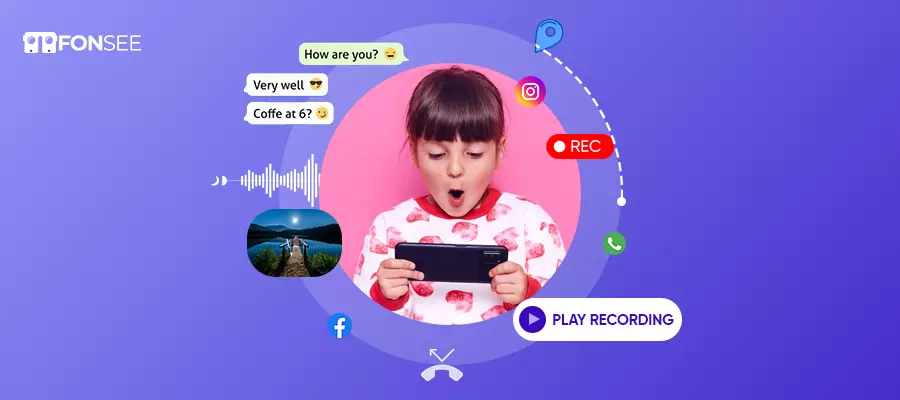
Fonsee provides WhatsApp activity insights that help parents understand how text chats, voice notes, shared media, and WhatsApp calling contribute to a child's overall communication habits.
This broader perspective creates more meaningful conversations at home.
Healthy Communication Includes Taking Breaks
One habit that often goes unnoticed is the inability to disconnect. Some children feel uncomfortable leaving messages unanswered. Others repeatedly check WhatsApp every few minutes even when no new notifications appear.
Over time, this constant connection can affect concentration, relaxation, and sleep quality. Parents don't need to remove the application completely. Instead, they can help children develop healthier communication habits.
- Simple ideas often work well.
- Keeping phones away during meals.
- Turning off unnecessary notifications.
- Creating homework periods without interruptions.
- Leaving the phone outside the bedroom at night.
These habits encourage balance instead of restriction.
Fonsee Helps Parents See Communication Trends, Not Just Activity
Fonsee is designed to help parents understand how WhatsApp fits into their child's overall digital lifestyle.
Instead of presenting isolated information, it provides communication trends that make everyday routines easier to understand.
Parents can review WhatsApp chat activity, contact interactions, shared multimedia, timestamps, and WhatsApp call patterns where monitoring is lawful and appropriate.
One particularly valuable feature is its ability to connect WhatsApp activity with broader device usage.
For example, parents can compare WhatsApp communication with overall screen activity, installed applications, browser usage, and device behavior. This creates a more complete understanding of how different digital habits influence one another.
Fonsee also includes screen recording capabilities on supported Android devices, allowing parents to better understand how apps are being used when there is a genuine safety concern.
When combined with application activity reports, browser insights, and screen-time awareness, these provide parents with context rather than isolated information.
Instead of reacting to individual conversations, families can focus on long-term digital well-being.
Technology Should Encourage Better Conversations
Children don't need parents who monitor every notification. They need parents who understand when something changes. A communication pattern may reveal that a child feels overwhelmed.
Another pattern may show excitement about joining a new school club. Sometimes increased activity simply reflects exam preparation.
Technology cannot explain these situations. Only conversations can. A WhatsApp tracker becomes useful because it helps parents know when those conversations may be needed. Instead of beginning with accusations, parents can begin with curiosity.
- "You're spending more time talking with your classmates lately. Is there a new project?"
- "You've been staying online later than usual. Is everything okay?
These questions feel supportive rather than confrontational.
Building Trust Matters More Than Monitoring
Every family approaches technology differently.
- Some prefer strict rules.
- Others allow greater independence.
- Neither approach works well without trust.
Children are more likely to discuss uncomfortable online experiences when they know parents are trying to help rather than catch mistakes.
Parents should explain why they use a WhatsApp tracker. They can describe it as part of the family's digital safety plan rather than a tool for constant supervision.
When expectations are clear, children often become more comfortable asking for guidance when something online doesn't feel right.
Final Thoughts
Digital communication has become one of the biggest parts of childhood and teenage life.
Understanding how those communication habits evolve is far more valuable than reacting to isolated moments.
A WhatsApp tracker helps parents recognize patterns, changes in routines, and shifts in digital behavior that may warrant attention.
Fonsee supports this approach by combining WhatsApp tracker capabilities with communication trends,
WhatsApp call activity, shared media insights, contact interactions, screen recording, application activity reports, browser monitoring, and broader parental control tools. Instead of simply showing what happened, it helps parents understand why communication habits may be changing.
When used openly and responsibly, a WhatsApp monitoring app becomes more than a source of information. It becomes a practical way to build healthier conversations, stronger trust, and safer digital habits that grow with the child.