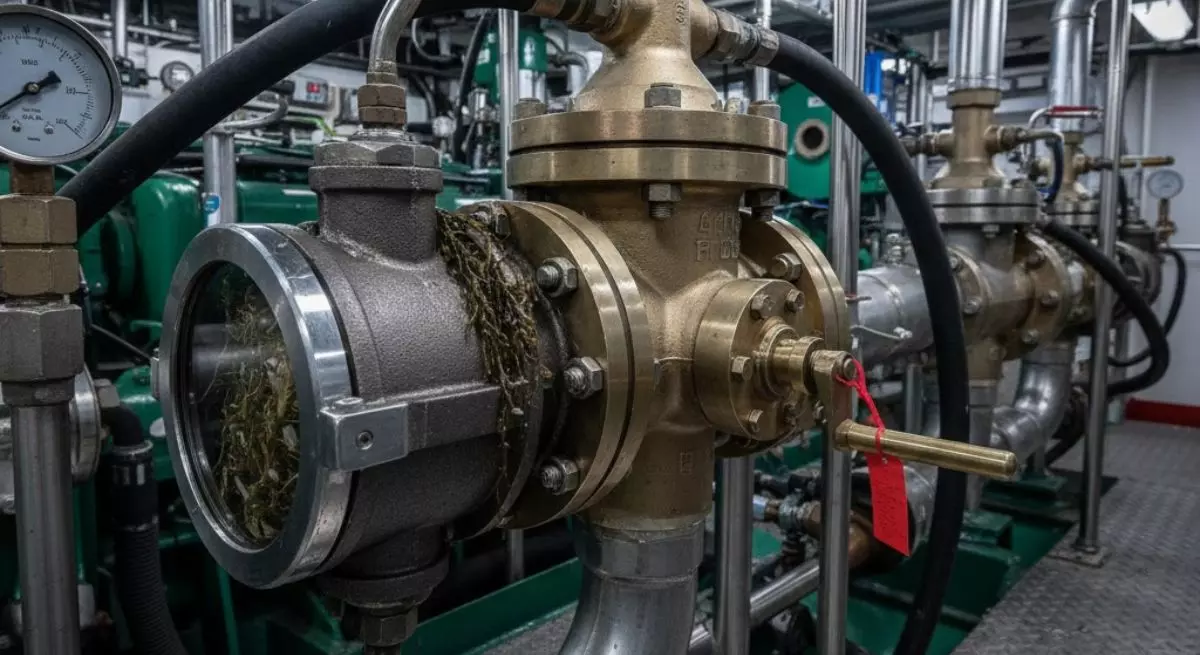
How a Marine Inlet Valve Protects Your Engine System
Marine engines operate in one of the toughest environments on the planet. Continuous exposure to seawater, high pressure, and unpredictable conditions means every component must work with precision. Among the many critical parts that keep a vessel’s engine safe, the marine inlet valve plays one of the most important roles. It protects the engine system from overheating, damage, and contamination by controlling how seawater enters the cooling system.
In this guide, you will learn how a marine inlet valve works, why it is essential for engine safety, and how proper maintenance can extend the life of the entire vessel machinery.
What Is a Marine Inlet Valve
A marine inlet valve is a control valve placed at the seawater intake point of the vessel. Its main job is to open and close the passage that allows seawater to enter the cooling system. Since most marine engines depend on seawater for temperature regulation, the valve ensures safe flow at the correct pressure.
It is usually located at the bottom section of the hull, connected to strainers and cooling pipelines. Built using bronze, stainless steel, or other marine grade alloys, the marine inlet valve is designed to withstand corrosion, temperature fluctuations, and continuous water flow.
How a Marine Inlet Valve Protects the Engine System
1. Regulates Seawater Flow for Cooling
The primary function of a marine inlet valve is to regulate how much seawater enters the cooling circuit. Engines generate tremendous heat during operation. Without steady cooling, they can overheat within minutes.
The valve allows the exact amount of water needed to maintain safe temperature levels. When working properly, this flow keeps the engine running smoothly and prevents thermal stress. If the valve is restricted or stuck, the cooling flow reduces and overheating begins to occur quickly.
2. Prevents Backflow and Reverse Pressure
A major risk in marine systems is backflow. If seawater returns into the system with reverse pressure, it can damage pumps, heat exchangers, and sensitive internal engine components.
The marine inlet valve acts as a protective barrier. Once closed, it stops any reverse flow from entering the cooling system. This simple function helps prevent corrosion, contamination, and mechanical failures.
3. Blocks Debris, Sand, and Marine Growth
Seawater contains sand, shells, algae, seaweed, and many fine particles. These can enter the system and block pipelines, cause abrasion, or reduce the efficiency of the cooling circuit.
The marine inlet valve works in combination with strainers to stop these unwanted materials. By maintaining a controlled opening, it reduces the chances of debris entering the engine system. This protection helps the pumps and coolers stay clean and last longer.
4. Maintains Stable Pressure
Fluctuations in water pressure can damage the cooling system. Sudden spikes can crack pipes, while low pressure reduces cooling capacity.
The marine inlet valve ensures a stable and predictable pressure range. By controlling flow opening and closing, the valve keeps the entire cooling circuit balanced, which improves the reliability of the engine during long voyages.
Read: Explore ENGINE's Latest Summer Collection 2024
Key Benefits of a Properly Functioning Marine Inlet Valve
A healthy marine inlet valve offers multiple advantages, including:
- Longer engine life due to reduced heat stress
- Better cooling performance and efficient operation
- Lower risk of mechanical wear and corrosion
- Reduced engine downtime and repair costs
- Enhanced safety for the vessel and crew
- More stable pressure control
- Improved reliability during long journeys
When the valve is maintained well, the entire marine cooling system performs smoothly.
Common Problems Affecting Marine Inlet Valves
Even though marine inlet valves are designed for harsh environments, they can develop issues over time.
1. Corrosion from Seawater
Constant exposure to saltwater can weaken the valve body and cause corrosion. Materials like bronze and stainless steel last longer, but regular inspection is still necessary.
2. Blockages from Debris
Sand, shells, and marine growth may block the valve opening. A clogged valve restricts flow and leads to engine overheating.
3. Valve Sticking or Hard Movement
Lack of lubrication or rust can make the valve handle hard to operate. A stiff valve poses a safety risk during emergencies.
4. Leakage or Seal Damage
Worn seals allow seawater to leak inside the engine room. Unchecked leakage can cause corrosion or damage electrical equipment.
5. Poor Flow or Pressure Control
If the valve fails to open fully, the engine cooling is compromised. If it does not close properly, backflow becomes a risk.
Recognizing these issues early helps prevent costly damage.
Maintenance Tips for a Reliable Marine Inlet Valve
Regular maintenance ensures the marine inlet valve protects your engine at all times.
1. Perform Scheduled Inspections
Visual checks should be done weekly or monthly depending on vessel usage. Look for corrosion, wear, or unusual noise.
2. Clean the Valve and Strainer
Remove debris, sludge, or marine growth. Clean strainers frequently because they collect large particles.
3. Lubricate Moving Parts
Lubrication prevents stiff operation and reduces friction inside the valve body.
4. Check Seals and Gaskets
Damaged seals must be replaced immediately to stop leakage.
5. Test Opening and Closing Function
Operate the valve fully to ensure it moves smoothly without resistance.
6. Use Quality Materials
Always choose marine grade metals. They offer higher resistance to saltwater exposure.
Routine maintenance provides consistent cooling, better safety, and longer component life.
When Should You Replace a Marine Inlet Valve
Replacement becomes necessary when:
- Corrosion has weakened the valve body
- The handle becomes too stiff to operate
- Leakage persists even after seal replacement
- Pressure control becomes unreliable
- The engine overheats frequently due to insufficient water flow
- Repairs become more costly than replacement
Timely replacement prevents engine failures and unexpected downtime.
Choosing the Right Marine Inlet Valve
To select the best marine inlet valve, consider the following:
- Type of material such as bronze or stainless steel
- Pressure and temperature rating
- Flow capacity suitable for your cooling system
- Compatibility with existing pipelines
- Certification and marine standard compliance
- Availability of spare parts and service
For reliable performance, always source components from a trusted marine spare parts supplier. Quality parts ensure durability and safer engine operation.
Conclusion
The marine inlet valve is one of the most critical components in an engine cooling system. It regulates seawater flow, prevents backflow, blocks debris, and maintains stable pressure, all of which protect the engine from serious damage. When maintained properly, the valve ensures smooth performance, extended engine life, and improved safety for the entire vessel. Regular inspection and timely replacement keep the marine cooling system reliable for years of operation.