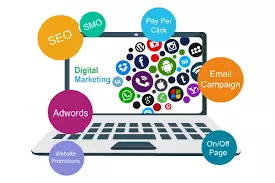
How a Digital Marketing SEO Agency Elevates Your e-commerce Growth
Running an e-commerce business today feels like playing a constant game of catch-up.
One day, you’re updating product inventory. The next, you’re fielding customer service questions. Then there’s site speed, abandoned carts, and figuring out why organic traffic dipped last month.
Somewhere in all that chaos, SEO is often an afterthought—“Let’s sprinkle some keywords on product descriptions and call it a day.”
But that’s far from enough. Effective eCommerce SEO is technical, strategic, and ongoing.
That’s why so many online retailers turn to a digital marketing SEO agency—not just for rankings, but for actual growth.
SEO for e-commerce Isn’t Just “SEO”
Let’s get this out of the way: SEO for an online store is a completely different beast compared to SEO for a small blog or local service business.
You’re not working with a handful of web pages. You’re managing hundreds, maybe thousands of product listings, plus category pages, filter URLs, internal search results… the list goes on.
A typical agency that’s never handled e-commerce might do a decent job with basic metadata and a blog strategy. But what about managing crawl budgets, optimizing pagination for SEO, or handling faceted navigation without compromising indexation?
That’s where a true SEO agency for eCommerce steps in. They’ve handled this terrain before. They know where most sites stumble—and how to fix it.
Starting with the Foundation: Technical SEO Cleanup
Before you even think about keywords or content, your site’s technical foundation needs attention.
That means your site speed, mobile responsiveness, correct canonicalization, clean URL structures, etc.
A good digital marketing SEO agency doesn’t guess. They’ll run a full technical audit and hand you a roadmap.
Expect them to dig into:
- How Googlebot crawls your site
- Whether duplicate pages are hurting your rankings
- How fast your site loads on both desktop and mobile
- Whether your XML sitemap is giving Google the right signals
It’s the stuff you don’t see—but it will impact your traffic numbers.
Category Pages: The SEO Workhorse Nobody Talks About
Ask most e-commerce owners where they focus their SEO efforts, and they’ll say product pages.
Which makes sense, those are your money pages?
But here’s the reality: category pages often pull in more organic traffic than individual products.
Why? Because they capture users early in their buying journey. For instance:
“Running shoes for women”
“LED desk lamps”
“Organic face creams”
Your SEO agency for eCommerce will make sure those pages aren’t just dumping grounds for product thumbnails.
They’ll optimize headings, add useful intro text, and make sure Google sees them as high-value landing pages—not just index bloat.
Then Comes the Product Page Magic
Once you’ve attracted visitors with a solid category page, your product pages take over.
Now the goal shifts from attracting traffic to converting visitors.
This is where your digital marketing SEO agency turns its focus to:
- Writing clear, benefit-driven product descriptions (that don’t sound like every other listing on the web)
- Implementing structured data for rich snippets—price, availability, ratings
- Optimizing title tags and meta descriptions with long-tail, buyer-intent keywords
- Making sure images are compressed and load quickly (because nobody sticks around for a slow-loading page)
Done right, your product pages won’t just sit there. They’ll rank for specific search queries and drive actual sales.
Content That Answers Real Buyer Questions
Here’s where some agencies miss the mark: they produce blog content for the sake of content.
But when you work with a focused SEO agency for eCommerce, the content strategy changes.
Now, you’re creating buying guides, comparison articles, FAQs—all the things your audience searches for before making a decision.
For example:
- “Best Running Shoes for Flat Feet”
- “Top 10 Gift Ideas for Coffee Lovers”
- “LED vs CFL Desk Lamps: Which Should You Buy?”
This type of content captures intent, builds trust, and feeds traffic into your conversion funnels.
Backlink Strategy That Actually Moves the Needle
Let’s not forget authority.
Google still cares about backlinks. But random link-building won’t cut it anymore.
Your SEO agency for eCommerce should focus on quality over quantity.
That means getting links from:
- Industry blogs
- Product reviewers
- Shopping guides
- Influencer roundups
Real links from relevant sites—because those are the links that help you rank and build authority.
Analytics That Tie SEO Efforts to Revenue
Traffic counts are nice. Rankings feel good. But at the end of the day, revenue speaks loudest.
A smart digital marketing SEO agency will set up tracking that goes beyond vanity metrics.
You’ll get insights like:
- Organic conversion rates
- Revenue per organic session
- Which landing pages drive the most first-click conversions
- Drop-off points in your customer journey
This lets you connect SEO efforts directly to bottom-line results.
Avoiding eCommerce SEO Landmines
Let’s not sugarcoat it: e-commerce SEO comes with traps.
Some common pitfalls caught by SEO specialists include:
- Letting product variations create hundreds of duplicate pages
- Slow load times due to oversized product images
- Ignoring mobile UX (even though most users shop on phones)
- Poor internal linking between categories and products
A dedicated SEO agency for eCommerce keeps you clear of these pitfalls.
Final Takeaway
Growing an e-commerce business isn’t just about having great products or running flashy ads.
You need sustainable, organic traffic that converts.
That’s where the right digital marketing SEO agency comes in—one that understands the full journey from technical health to keyword strategy to conversion optimization.
Because at the end of the day, SEO for e-commerce isn’t just about rankings.
It’s about getting more customers, more sales, and more growth—without wasting time or budget on guesswork.