Hip Replacement Surgery Abroad: Step-by-Step Medical Travel Guide for Global Patients
Hip replacement surgery
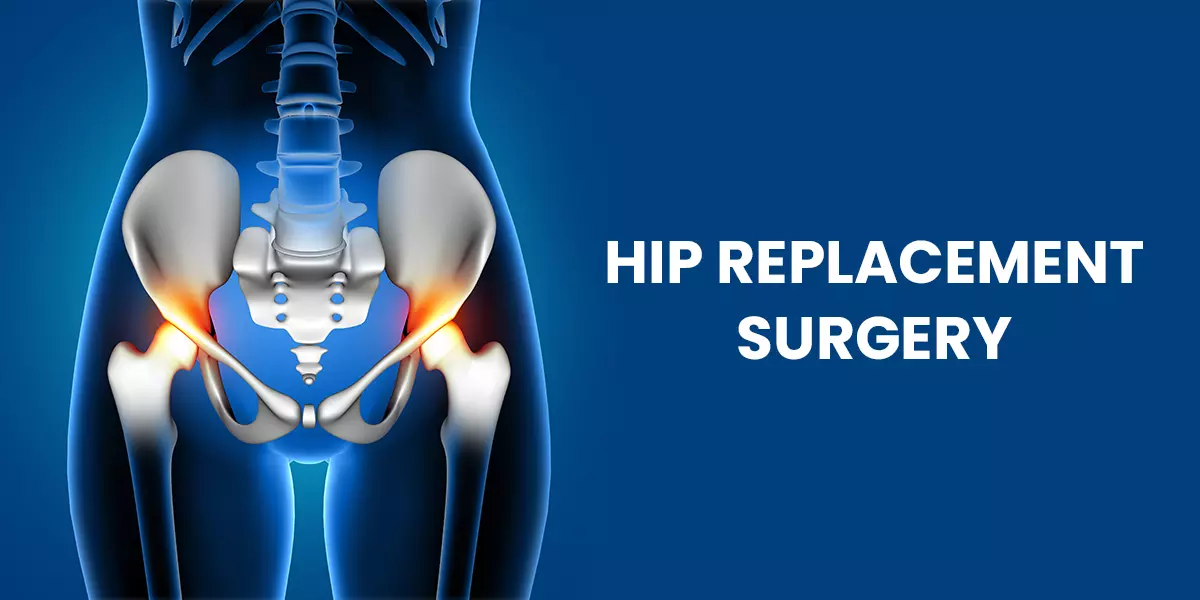
Hip replacement surgery is performed when your hip joint is injured and you replace it with prosthesis to eliminate pain and restore your joint mobility.
What Does It Expect in Hip Replacement?
Hip: Ball and socket joint
- Femoral head - ball
- Acetabulum - socket
Why Is It Done?
- Osteoarthritis
- Rheumatoid Arthritis
- Hip fractures
- Avascular Necrosis
Types of Hip Replacement
Total Hip Replacement
- Both the ball and socket are replaced.
Partial Hip Replacement
- The replacement is just of the femur head.
Revision Hip Replacement
- Revision of a failed implant
Procedure
- Duration: 1-2 hours
- Inpatient stay: 3-7 days
- Ambulation begins – 24 to 48 hours post-op
Rehab & Recovery
Recovery involves:
- Physiotherapy (essential)
- Assisted walking first.
- Recovery period: six to twelve weeks
Dietary recommendations:
- Don’t flex your hips beyond 90°
- Use high chairs
- Adhere to exercise program.
Step-by-Step Medical Travel Guide for Global Patients
Step 1: Medical review appointment
- Typically starts online
Patients share:
- X-rays
- MRI or CT scans
- Medical history
- Blood reports
- Current medications
The orthopedic surgeon reviews the reports and determines:
- Decisions about whether to have surgery or not
- Which type of implant is suitable
- Expected recovery time
- Approximate treatment cost
Step 2: Choosing the Right Country and Hospital
- Accreditation from hospital (JCI or NABH)
- Surgeon experience
- Infection control standards
- Rehabilitation facilities
- Implant brands used
- Patient reviews
- Package inclusions
Step 3: Treatment Plan and Estimating Costs
If it is approved, the hospital will send a treatment package which can contain:
- Surgery charges
- Surgeon fees
- Implant cost
- Hospital stay
- Medicines
- Physiotherapy
- Airport transfers
- Interpreter services
Patients should carefully ask about:
- Hidden charges
- ICU costs
- Revision surgery policy
- Additional rehabilitation expenses
Step 4: Medical Visa and Travel Preparation
- Most countries require a medical visa for surgery.
Patients usually need:
- Passport
- Medical reports
- Hospital invitation letter
- Financial proof
- Visa application forms
Travel Preparation:
- Comfortable loose clothing
- Medical documents
- Prescribed medicines
- Compression stockings
- Aids walking as needed
Step 5: After Arrival
Once admitted, the majority of hospitals offer:
- Airport pickup
- Hotel transfer
- International patient coordinators
- Language interpreters
Patients have the following tests performed prior to surgery:
- Physical examination
- Blood tests
- ECG
- Chest X-ray
- Anaesthesia evaluation
Step 6: Surgery procedure
- Typically the surgery takes 1-3 hours.
During the operation:
- The surgeon takes out damaged cartilage and bone.
- Hip socket is ready.
- Artificial implants are inserted into the body.
- Movement and stability of the new joint is tested.
- The incision is sutured carefully.
There are various types of hip replacement surgery including:
- Total hip replacement
- Partial hip replacement
- Hip resurfacing
- Revision hip replacement
Step 7: Recovery
Most patients:
- Stand within 24 hours
- Begin physiotherapy early
- Go for walks with assistance in 1–2 days
The average length of hospital stay is:
- 3-7 days post uncomplicated surgery
Foreign patients can stay in the country for:
- 2-4 weeks for recovery and recuperation
Rehabilitation includes:
- Walking exercises
- Muscle strengthening
- Balance training
- Stair climbing practice
Step 8: Return home safely
Before flying home, patients should:
- Receive fitness-to-fly approval
- Carry medical summaries
- Continue physiotherapy
- Compression stockings on airplanes.
- Drink water and get moving while traveling
Read: Top Orthopedic Treatments Offered at Ginni Devi Hospital,
Total hip replacement
Total Hip Replacement (THR) also known as total hip arthroplasty is a surgical operation that involves the replacement of the entire hip joint (ball and socket) by artificial implants to alleviate pain and regain movement.
What Is Replaced?
The hip joint consists of:
- Femoral head (ball) altered to metal/ceramic ball.
- Acetabulum (socket) → is substituted with a prosthetic cup.
- These implants are meant to act as a natural hip joint.
Is Total Hip Replacement Indicated?
THR is advised in cases of persistent pain and limited movement of the hip as a result of severe hip damage:
- Osteoarthritis
- Rheumatoid Arthritis
- Avascular Necrosis
- Hip fractures
- Inborn or developmental hip conditions.
- Typically prescribed when treatment in the form of medication, injections, and physiotherapy are no longer effective.
Forms of Total Hip Replacement
Based on Fixation
- Cemented THR - implant with bone cement.
- Uncemented THR- implant is naturally incorporated into the bone.
- Hybrid THR - both of them mixed.
Based on Surgical Technique
- Traditional (open surgery)
- Hip replacement which is minimally invasive.
Procedure Overview
- Duration: 1–2 hours
- General or spinal anaesthesia.
- Hospital stay: 3–7 days
Steps:
- Incision over the hip
- Erosion of degenerated bone/cartilage.
- Fitting of prosthetic socket.
- Implantation of artificial femur head.
- Closure of incision
Recovery Timeline
First few days:
- Ambulation with assistance in 24-48 hours.
2–6 weeks:
- Improved mobility
- Physiotherapy continues
6–12 weeks:
- Revert to the majority of normal activities.
- Full recovery: 3 months.
Success Rate & Implant Life
- Success rate: 90–95%
- Life of implant: 15 to 25 years