Hinged Lid Rigid Boxes: A Practical Guide to Premium Product Packaging
Packaging does more than hold a product. For premium goods, the way a box opens, how well it protects the contents, and whether customers keep it afterward all shape the experience.
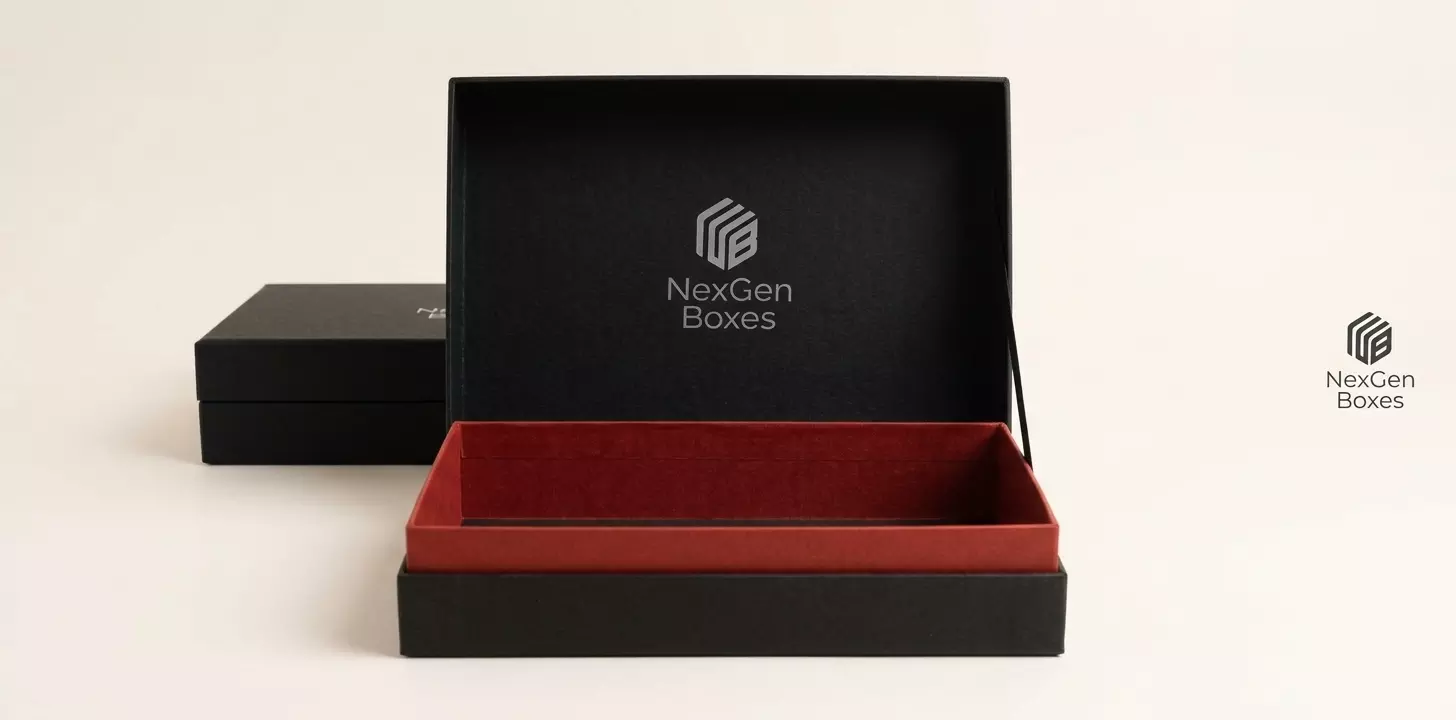
Hinged rigid boxes are one format built around those concerns. The lid stays attached to the base, so the box opens like a book instead of coming apart in two pieces.
This guide explains how the structure works, which products suit it, and when another format makes more sense. It ends with a checklist to use before you order samples.
What Are Hinged Lid Boxes?
Hinged lid rigid boxes are rigid packaging structures with a lid permanently connected to the base along one edge.
The lid swings open and closed without being removed, and the base usually holds a fitted insert that keeps the product in position. You may also see them called book-style or attached lid boxes.
How Does the Hinged Structure Work?
The box body is made from thick paperboard, usually greybeard or chipboard, covered with printed or textured wrap paper.
A narrow gap is left between the lid and the base. The outer wrap and the inner lining bridge that gap and form the hinge, so most designs need no metal hardware.
Three other parts complete the structure. A closure, such as a magnet, a ribbon or a friction fit, holds the lid shut. An insert, made of paperboard, foam or molded material, holds the product in the base.
Inner lining paper hides raw board edges and reinforces the hinge area, where repeated opening puts the most stress on the material.
How Do They Differ From Two-Piece Rigid Boxes?
The main difference is the lid. A two-piece box has a separate lid and base. A hinged box keeps them joined.
Feature
Hinged lid
Two-piece
Lid
Attached to the base
Separate from the base
Opening
Swings open
Lifts off
Handling
One connected unit
Two parts to keep together
Reveal
Product stays in the tray as the lid opens
Lid is removed first
Reuse
No loose lid to misplace
Depends on how well the lid fits
Neither is better in every case. One packaging guide describes the two-piece box as the most common type of rigid box, which shows how often a simple, separate lid is enough.
Why Do Brands Use Hinged Lid Rigid Packaging?
Controlled Product Presentation
Because the lid rotates on a fixed edge, the opening sequence is predictable. The customer sees the product in its tray, in the position the brand chose, rather than watching a lid come off and wondering where to put it.
Product Protection
Thick board resists crushing, and a fitted insert limits movement inside the tray. The two work as a pair. A strong shell with a loose cavity still lets a fragile item shift, so the board, the insert and the product dimensions should be planned together.
Repeated Opening and Storage
Keeping the lid and base together makes the box easier to reopen and store. That suits products customers may keep, such as watches, keepsakes and gift sets.
Branding Surfaces
The exterior panels, and the inside of the lid, can carry printing, foil, embossing or textured paper. These finishes add visual detail. They do not guarantee any commercial result, so choose them for fit with the product and brand rather than for assumed sales gains.
Read: Luxury Rigid Box Packaging: Premium Unboxing That Builds
Which Products Suit Hinged Lid Rigid Packs?
The format works best for products that benefit from a firm tray, a staged reveal and room for printed surfaces. Common examples include:
• Watches and jewelry: fitted inserts hold small, easily scratched items in place.
• Cosmetics and beauty sets: cavities keep several products organized and visible.
• Gift sets and limited editions: the opening moment is part of the product.
• Electronics and premium accessories: compartments separate a device from its cables or extras.
• Specialty food and confectionery: divided trays keep individual pieces apart.
Curated collections are a particularly natural match for book-style rigid boxes, because the lid opens in one motion and the whole arrangement is visible at once.
How Do You Choose the Right Hinged Lid Rigid Box?
Work through these five steps in order:
1. Measure the product. Record length, width, height and weight, and note fragile areas or parts that stick out.
2. Match the insert to the product. Foam can cushion glass or electronics. Paperboard may be enough for lightweight items and is often easier to recycle.
3. Pick a closure. Magnetic closures give a firmer close but usually add material and assembly cost. Ribbon and friction closures are simpler.
4. Think about use. Will customers reopen it, store it, display it on a shelf or ship it? Does the lid need to stay open for display?
5. Review a physical sample. Open and close the lid several times. Check for product shift, hinge drag and misalignment before approving production.
Hinged Lid vs. Other Rigid Box Styles
A hinged lid is one option within the wider category of rigid box packaging. The right structure depends on the product, the opening experience, the budget and the logistics.
Style
How it opens
Often suits
Hinged lid
Lid swings open on an attached edge
Staged reveals, reuse, curated sets
Two-piece
Lid lifts off the base
Simple presentation with a firm base
Drawer
Tray slides out of a sleeve
Compact accessories and sample kits
Collapsible
Ships flat, then assembles
Brands where freight volume matters
Magnetic closures are a closure choice rather than a separate structure. They can be added to hinged designs as well as other rigid styles.
What Should Brands Consider Before Ordering?
• Product: dimensions, weight and fragility.
• Structure: box depth, lid movement, hinge gap and closure.
• Interior: insert material, cavity depth and product position.
• Exterior: board, wrap paper, printing and finish. Laminated or textured wraps resist scuffs better on edges that are handled often.
• Logistics: shipping method, storage space, order quantity and sample approval time.
Are Hinged Lid Packaging Right for Your Brand?
Choose them when:
• presentation and a structured reveal matter to the product
• customers are likely to reopen or keep the box
• the product needs a rigid shell and a fitted insert
• an attached lid is more convenient than a loose one
Consider another format when:
• the product is low cost and high volume, since the extra board, assembly time and unit cost may not be justified
• lightweight packaging or flat shipping is the priority
• a simple folding carton gives enough protection
Conclusion
Hinged lid rigid boxes work best when a product needs structured protection, a controlled opening and strong presentation.
The right choice comes down to the product, the insert, the closure, the handling needs and the experience you want customers to have.
Before choosing a style, compare your product dimensions, insert requirements and closure options against two or three structures, and test a physical sample.