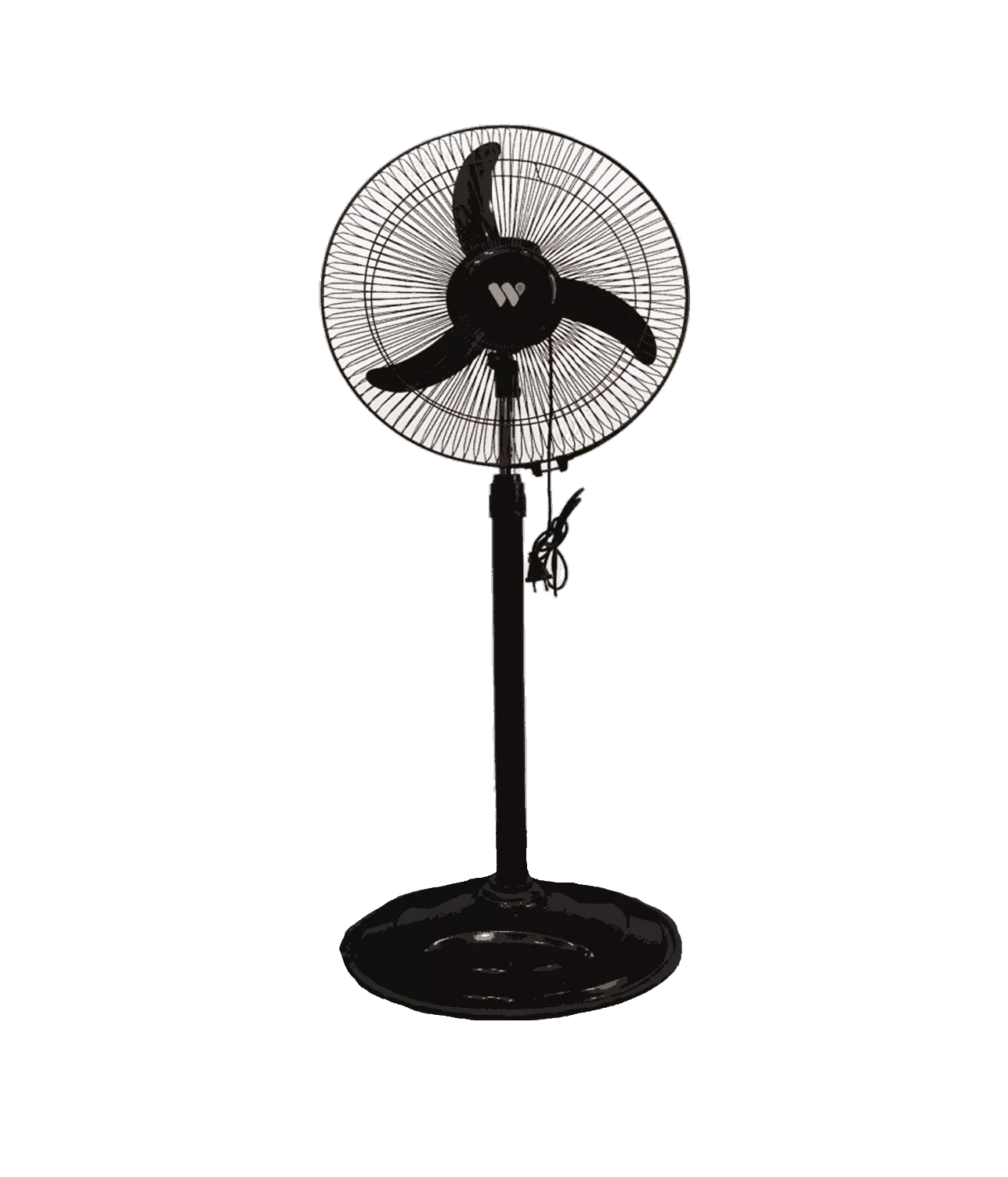
High Speed Stand Fan Price: Understanding What You Pay For and Why
High Speed Stand Fan Price: Understanding What You Pay For and Why
A high speed stand fan is a ubiquitous appliance in many homes, offices, and commercial spaces — especially in regions with warm climates where consistent airflow and rapid cooling are essential.
While the basic concept of a stand fan may seem simple, the price of a high speed stand fan can vary significantly across models, brands, features, and specifications.
This article explores everything that contributes to the high speed stand fan price — from build quality and performance to additional technology and long-term value — offering clarity and practical insight for consumers planning to buy one.
What Is a High Speed Stand Fan — and Why Price Matters
A stand fan — also known as a pedestal fan — comprises a set of rotating blades driven by an electric motor, mounted on an adjustable stand or pole.
A high speed stand fan distinguishes itself by delivering stronger airflow and higher air delivery rates than ordinary fans. These fans often include powerful motors, efficient blade designs, multiple speed settings, tilt and oscillation, and enhanced cooling comfort.
The price of a high speed stand fan isn’t simply about how much you pay at the checkout. Instead, it reflects the value you receive in terms of performance, durability, energy efficiency, convenience, safety, and even aesthetics.
Understanding the components that influence price can help you make a smart purchase that balances cost with performance and longevity.
Major Factors Influencing High Speed Stand Fan Price
1. Motor Power and Build Quality
The motor is the heart of any fan. High speed stand fans typically come equipped with motors capable of higher revolutions per minute (RPM), which translates into stronger airflow and faster heat dissipation.
Motors with higher power ratings, better bearings, and advanced insulation materials tend to be more expensive.
Build quality also plays a key role. Fans constructed with high-grade materials — such as reinforced ABS blades, metal stands, and robust base plates — cost more because they are engineered to withstand long-term, high-speed operation without vibration, noise, or early wear.
2. Airflow Performance and Design
The price of a high speed stand fan also reflects how well it moves air. Efficient blade shapes, optimal blade pitch, and streamlined grills help generate powerful airflow.
Fans that promise higher cubic feet per minute (CFM) or superior air delivery often command a premium price because they incorporate aerodynamic engineering and precision manufacturing.
Poorly designed fans may still spin fast, but without optimized airflow, the cooling effect is weaker — leading to lower performance despite similar price tags.
Good quality fans balance blade design, motor capability, and airflow direction to achieve effective cooling.
3. Speed Settings and Control Features
Standard stand fans offer a few basic speed settings (low, medium, high). But high speed models increasingly come with multiple speed levels — sometimes up to five or more.
The presence of remote control, touch panels, LED displays, and programmable timers adds convenience but also increases the cost.
A fan with remote control and timer functions allows users to adjust speed or schedule operation without standing up, improving user experience. These extras are reflected in the price.
4. Oscillation, Tilt, and Height Adjustability
The ability to direct airflow matters. Higher-priced stand fans often feature wider oscillation ranges (for lateral airflow distribution), manual or automatic tilt adjustment (for vertical control), and easy height adjustment mechanisms.
Each additional mobility feature increases manufacturing complexity — and this is reflected in a slightly higher price.
5. Safety and Durability Enhancements
Safety grills, thermal overload protection, stable bases, and reinforced connections contribute to safer and more reliable operation.
Fans designed with better safety mechanisms — for example, automatic shutoff when overheating is detected — generally cost more because of the additional engineering involved.
Durability features such as corrosion-resistant coatings, reinforced wiring, and stronger structural assemblies also raise the price but contribute to long-term value.
6. Energy Efficiency and Noise Performance
A high speed stand fan that achieves powerful airflow with lower energy consumption and reduced noise levels is inherently more expensive.
Energy-efficient motors, noise-dampening insulation, and vibration control mechanisms all add to the production cost — but they also make the fan more comfortable to use and cheaper to operate over time.
Typical Price Ranges and What to Expect
While specific prices vary by region and retailer, high speed stand fans generally fall into a few broad price categories. Each category represents a combination of features, performance levels, and build quality.
Budget Range: Affordable Performance
In the budget price bracket, you’ll find high speed stand fans that deliver basic high-speed airflow without many extra features.
These fans offer:
- Standard high-speed settings (usually up to three speeds)
- Basic metal or plastic stands
- Manual tilt and limited oscillation
- Simple on/off switches or basic controls
Fans in this range are ideal for:
- Cost-conscious buyers
- Small rooms or personal use
- Temporary setups (e.g., rented homes or short-term cooling needs)
While these fans provide a decent airflow boost and meet the functional needs of many households, they may lack advanced comfort features and can be noisier at full speed.
Mid-Range: Balanced Performance and Features
Stepping up to the mid-range price segment, you’ll find high speed stand fans with a balanced mix of power and convenience. These units typically include:
- Multiple speed levels (3–5 speeds)
- Remote control
- Better airflow design with optimized blades
- Wider oscillation and easier height changes
- Improved build quality
Mid-range fans often represent the best value for everyday use, especially for living areas, bedrooms, and small offices. They offer better durability, quieter operation, and more functional control options without excessive cost.
Premium Range: Advanced Comfort and Technology
At the premium end, high speed stand fans integrate performance, convenience, and aesthetics. Features in this range may include:
- High airflow ratings with advanced blade design
- Digital control panels with LED indicators
- Smart connectivity (e.g., app control or voice assistant integration)
- Sleep or eco modes
- Enhanced safety and energy efficiency features
- Sleek, robust build quality with premium materials
Fans in this category are designed for users who value:
- High performance with whisper-quiet operation
- Modern convenience features
- Long-term reliability and enhanced lifespan
The premium price reflects the combination of advanced technology, user comfort, and build quality.
How to Evaluate Value Beyond Price
Price alone doesn’t tell the full story. To determine the real value of a high speed stand fan, consider the following:
Airflow Efficiency vs. Power Consumption
A fan that delivers strong airflow without consuming excessive power offers better long-term savings. Look for information related to airflow efficiency (air moved per watt) rather than just motor wattage.
Higher airflow with lower consumption is a sign of good design — and a strong value proposition.
Noise Levels at High Speed
High speed fans can get louder due to faster blade rotation. A model that balances high airflow with noise-reduction design is worth paying more for comfort reasons — especially if the fan is intended for bedrooms or work environments.
Durability and Long-Term Reliability
A slightly more expensive fan that uses higher-grade materials and stronger construction can save money over the years by avoiding early replacements or service costs. Robust build quality and warranty support signal reliability.
Ease of Use and Convenience Features
Remote controls, timers, easy assembly, and simple maintenance all improve the experience of owning and using the fan. These features may add to the initial price but often offer ongoing convenience that justifies the cost.
Safety and Peace of Mind
Fans operating at high speeds generate greater mechanical stress. Safety features like thermal protection, secure grills, stable design, and quality wiring reduce risks and potential damage — a priceless aspect that may influence price.
Price vs. Performance: Finding the Sweet Spot
Selecting the right high speed stand fan depends on your specific needs and environment. Here are some practical scenarios to help you find the price-performance balance:
Cooling a Small Bedroom or Personal Space
If you need a fan primarily for individual cooling — for example, beside a bed or a study table — a mid-range high speed stand fan may be ideal, offering sufficient airflow without unnecessary extras.
Living Room or Open Area Cooling
For larger rooms, open living areas, or spaces with multiple occupants, a higher-performance fan with stronger airflow and broader oscillation will deliver better comfort. In this case, leaning toward a mid-to-premium range model makes sense.
Extended Daily Use or Shared Workspace
In offices, studios, or workspaces where the fan will run for long hours, durability and energy efficiency become priorities.
A premium or well-built mid-range fan assures consistent performance and lower power costs — an important value consideration.
How Price Reflects Technology and Innovation
High speed stand fans today are no longer simple mechanical devices. They incorporate incremental innovations that elevate performance and experience:
- Improved blade aerodynamics for higher airflow and lower noise
- Brushless motors for quieter operation and longer life
- Smart controls and programmable settings for convenience
- Energy-efficient designs that reduce daily electricity use
These technological enhancements influence price, but they also represent real value — especially for long-term comfort and performance.
Read: How to Choose the Right Aircon Repair Service Provider in
Purchasing Tips to Maximize Value
When evaluating high speed stand fan prices and options:
- Compare features relative to price, not just price alone.
- Focus on airflow performance (CFM or equivalent measures) rather than motor wattage by itself.
- Assess noise levels, especially if the fan will be used in quiet environments.
- Prioritize safety features and warranty coverage.
- Check build quality — strong materials often outlast cheaper alternatives.
Final Thoughts
The price of a high speed stand fan is shaped by a balance of performance, features, build quality, and user convenience.
While it’s tempting to choose the cheapest option, a thoughtful assessment will ensure you receive lasting value, effective cooling performance, and superior comfort. Understanding how price reflects the fan’s capabilities empowers you to make a purchase you won’t regret.
Whether you’re cooling a bedroom, office, or large room, knowing what influences price — and what features justify a higher cost — helps you invest wisely.
A high speed stand fan isn’t just an appliance; it’s a long-term comfort solution designed to enhance your indoor environment.