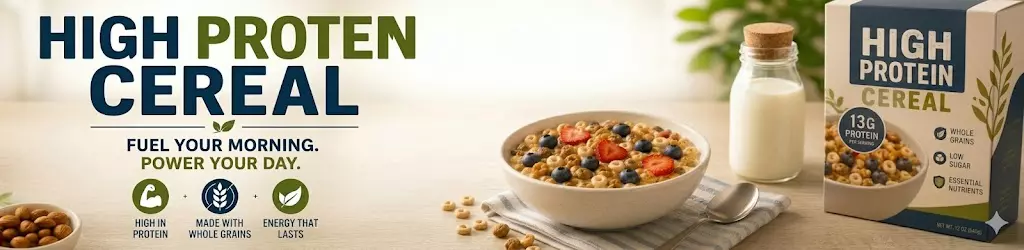
High Protein Cereal: The Ultimate Guide to Powering Your Morning
High Protein Cereal: The Ultimate Guide to Powering Your Morning
For generations, breakfast cereal has been associated with bright colors, cartoon mascots, and massive sugar crashes. Traditional cereals taste great, but they often leave you feeling hungry and tired just two hours after eating. If you want to start your day with real energy, you need to change what is in your bowl.
Enter high protein cereal.
This modern breakfast staple is changing the way we eat in the morning. By replacing empty carbohydrates with muscle-building protein, these cereals provide long-lasting energy without the sugar crash.
In this comprehensive guide, we will explore everything you need to know about high protein cereal. You will learn what makes it different, how to read the nutrition labels, and how to choose the perfect box for your health goals.
What is High Protein Cereal?
High protein cereal is a ready-to-eat breakfast food specifically formulated to provide a significant amount of dietary protein per serving. While traditional cereals rely heavily on refined grains like corn, rice, or wheat, protein cereals use alternative ingredients to boost their macronutrient profile.
The macronutrient shift
A standard bowl of traditional frosted flakes might offer 25 grams of carbohydrates and barely 2 grams of protein. In contrast, a high protein cereal can deliver anywhere from 10 to 20 grams of protein per serving, often with significantly fewer carbohydrates.
Common protein sources used
Manufacturers use a variety of ingredients to achieve these high protein numbers:
- Whey Protein: Derived from milk, this is a fast-absorbing protein that is excellent for muscle recovery.
- Soy Protein: A complete plant-based protein that offers a great crunchy texture.
- Pea Protein: A highly digestible, vegan-friendly option that is naturally gluten-free.
- Nuts and Seeds: Almonds, pumpkin seeds, and chia seeds naturally boost both protein and healthy fats.
Why Switch to High Protein Cereal?
Swapping your sugary morning bowl for a protein-packed alternative offers massive benefits for your body and your daily routine.
1. Incredible satiety and fullness
Protein is the most satiating macronutrient. It takes your body longer to digest protein than it does carbohydrates. When you eat a high protein cereal, you stay full for hours, which prevents mindless mid-morning snacking and helps with weight management.
2. Muscle growth and recovery
If you work out in the mornings, your muscles need protein to repair and grow. A bowl of protein cereal with milk or Greek yogurt can easily provide 30 grams of high-quality protein, making it an excellent post-workout meal.
3. Stable blood sugar levels
Traditional cereals cause a rapid spike in blood sugar, followed by a sharp drop that leaves you feeling sluggish. High protein cereals, especially those low in sugar, provide a slow, steady release of energy that keeps you focused until lunch.
How to Choose the Best High Protein Cereal
The grocery store shelves are crowded with products claiming to be "high protein." However, not all of them are actually healthy. Here is how to separate the good from the bad.
Check the protein-to-calorie ratio
A good protein cereal should provide at least 10 grams of protein per serving. However, you must also check the calories. If a cereal has 10 grams of protein but packs 300 calories per serving, it might be heavily loaded with unhealthy fats or added sugars.
Watch out for hidden sugars
Many brands add excessive sugar to mask the earthy taste of plant proteins. Look for cereals that contain fewer than 5 grams of added sugar per serving. Many top-tier keto cereals use natural sweeteners like stevia, monk fruit, or alleles to provide sweetness without the sugar spike.
Evaluate the fiber content
Protein is great, but fiber is essential for healthy digestion. Try to find a cereal that offers at least 3 to 5 grams of dietary fiber per serving to keep your digestive system running smoothly.
A Comparison of High Protein Cereal Types
Use this table to understand the nutritional differences between various styles of protein cereal on the market.
Cereal Style
Average Protein (per serving)
Average Sugar
Best For
Keto-Friendly Puffs
11g - 16g
0g - 1g
Low-carb diets, weight loss
Protein Granola
10g - 13g
6g - 10g
Adding to yogurt, high energy
Fortified Flakes
8g - 10g
5g - 8g
A traditional cereal texture
Sprouted Grain
6g - 8g
0g - 2g
Vegans, clean eating
Read: Custom Cereal Boxes Creative Packaging Solutions to Boost
The Importance of Quality Cereal Packaging
When you invest in premium high protein cereal, keeping it fresh is incredibly important. Protein-rich ingredients, especially nuts and seeds, contain natural oils that can go rancid if exposed to too much air or moisture.
This is where advanced packaging comes into play. Premium cereal companies use high-quality inner bags to lock out humidity and preserve that essential morning crunch. The outer box is just as important. Many top brands partner with specialized suppliers like silver edge packaging to ensure their boxes are durable, protective, and visually striking.
Furthermore, because high protein cereals are often premium products, branding matters. Companies use Custom cereal boxes with logo designs to clearly communicate their nutritional benefits—like zero sugar, keto-friendly, or vegan—helping you make a quick, informed decision in the grocery aisle.
Delicious Ways to Eat High Protein Cereal
You do not have to limit your cereal to just a bowl of milk. Here are some creative ways to incorporate high protein cereal into your diet.
The ultimate yogurt bowl
Skip the milk and use a base of plain Greek yogurt. Greek yogurt naturally contains about 15 grams of protein per serving. Top it with half a cup of protein granola or puffs, a handful of fresh berries, and a drizzle of almond butter. This creates a breakfast with over 30 grams of protein.
Pre-workout dry snack
If you need a quick burst of energy before hitting the gym, a handful of dry protein cereal is the perfect solution. It is portable, easy to digest, and gives you the fuel you need without making you feel uncomfortably full.
Protein shake topping
If you drink a protein smoothie in the morning, toss a small handful of protein cereal on top before you drink it. It adds a satisfying crunch that makes your liquid breakfast feel much more like a real meal.
Common Mistakes to Avoid
When shopping for and eating high protein cereal, keep these common pitfalls in mind.
1. Ignoring portion sizes
Protein cereals, especially granolas, can be very calorie-dense. A standard serving size is often much smaller than you think (usually around 1/2 to 3/4 of a cup). Always measure your cereal to ensure you are not accidentally consuming double the calories you intended.
2. Falling for the "Health Halo"
Just because a box says "Plus Protein" does not mean it is healthy. Some major brands simply take their standard sugary cereal and add a few grams of soy protein. Always read the nutrition label and ingredient list carefully.
Conclusion
Switching to a high protein cereal is one of the smartest upgrades you can make to your daily routine. By prioritizing protein over empty carbohydrates, you will build muscle, stay full longer, and avoid the dreaded mid-morning sugar crash.
Next time you are at the grocery store, skip the colorful kids' cereals. Check the nutrition labels, look for at least 10 grams of protein and minimal sugar, and grab a box that truly fuels your body. Try swapping your usual breakfast for a protein cereal this week and feel the difference in your energy levels.
Frequently Asked Questions (FAQs)
1. Does high protein cereal taste different from regular cereal?
Yes, it can. Because protein cereals use ingredients like whey, soy, or almond flour instead of pure corn or wheat, the texture is often slightly denser or crunchier. However, modern flavor technology has advanced significantly, and many protein cereals taste incredibly similar to traditional childhood favorites.
2. Is high protein cereal safe for a keto diet?
Many high protein cereals are designed specifically for the keto diet. These keto cereals replace grains with milk protein isolate or nut flours and use zero-calorie sweeteners. Always check the net carb count on the label to ensure it fits your daily macros.
3. Can children eat high protein cereal?
Yes, high protein cereal can be a great option for kids, especially compared to cereals loaded with 15 grams of refined sugar. However, children do not need as much protein as active adults. A moderate-protein, low-sugar option is usually best for younger kids.
4. Will eating protein cereal help me build muscle?
Yes, provided you are also engaging in resistance training. Your muscles need dietary protein to repair and grow after a workout. A bowl of protein cereal paired with milk or Greek yogurt is an excellent, convenient way to hit your daily protein targets.
5. Can I eat protein cereal every day?
Absolutely. High protein cereal can be a healthy part of your daily diet, provided you choose a brand with low added sugar and portion it correctly. Be sure to balance your diet with plenty of whole foods, vegetables, and lean meats throughout the rest of the day.