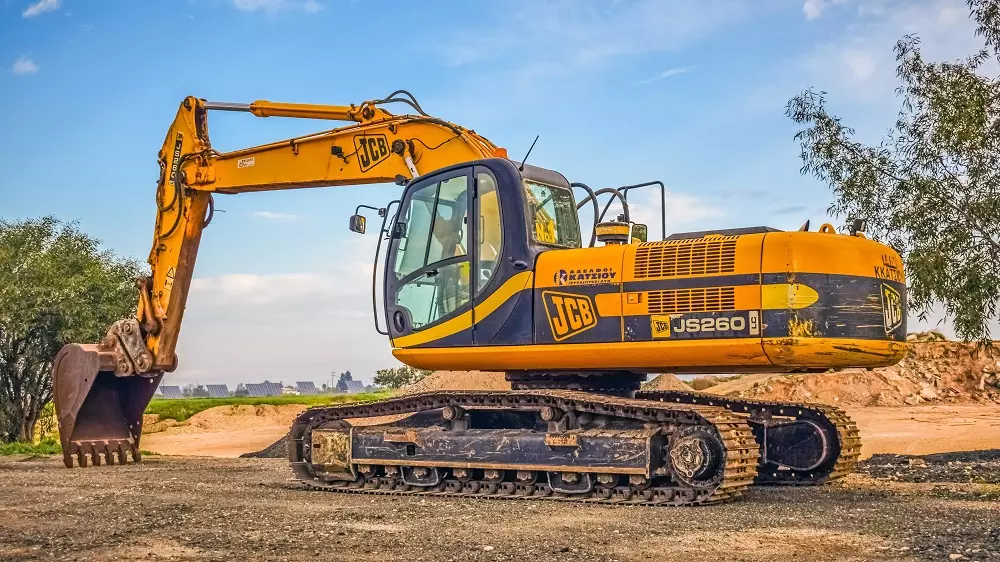
Heavy Equipment Auctions: What Every Buyer Should Know Before Bidding
Buying heavy equipment is a major investment for contractors, construction companies, farmers, and fleet owners. One of the most effective ways to purchase quality machinery at competitive prices is through heavy equipment auctions. Whether held online or in person, auctions provide access to a wide range of equipment while allowing buyers to compare different machines before placing a bid.
However, success at an auction depends on preparation. Understanding the auction process, inspecting equipment carefully, and setting a realistic budget can help buyers make informed decisions and avoid unexpected expenses.
What Are Heavy Equipment Auctions?
Heavy equipment auctions are events where used or surplus machinery is sold to the highest bidder. Equipment may come from contractors upgrading their fleets, rental companies, financial institutions, or government organizations.
Common equipment available at auctions includes:
- Excavators
- Bulldozers
- Wheel loaders
- Motor graders
- Backhoes
- Cranes
- Forklifts
- Dump trucks
Many auctions now operate online, making it easier for buyers to participate from anywhere while viewing equipment details before bidding.
Why Many Buyers Choose Auctions
Heavy equipment auctions offer several advantages compared to traditional purchasing methods.
One of the biggest benefits is variety. Buyers can compare multiple brands, models, and machine sizes in a single event.
Auctions also provide competitive pricing because equipment is sold through open bidding rather than fixed pricing. This creates opportunities to purchase quality machinery at good value.
Another advantage is transparency. Most reputable auction companies provide equipment descriptions, photographs, and inspection information before bidding begins.
What to Inspect Before Bidding
Even when buying from a trusted auction company, inspecting the equipment is essential.
Important areas to review include:
- Engine condition
- Hydraulic system
- Operating hours
- Undercarriage or tires
- Signs of leaks or structural damage
- Maintenance history
- Service records
- Inspection reports
Taking time to evaluate these details helps reduce the risk of unexpected repair costs after purchase.
Read: Are Older Volvo Graders Still Worth Buying in 2026?
Set a Budget Before the Auction
One common mistake made by first-time buyers is bidding emotionally.
Before the auction begins, determine:
- Maximum purchase price
- Transportation costs
- Taxes and buyer fees
- Repair or maintenance expenses
- Registration requirements
Having a fixed budget makes it easier to avoid overspending during competitive bidding.
Understand the Auction Terms
Every auction has its own policies regarding payment, inspections, bidding, and equipment collection.
Before participating, review:
- Payment deadlines
- Buyer's premium
- Equipment removal dates
- Return policy (if applicable)
- Inspection opportunities
Knowing these terms beforehand helps avoid confusion after winning a bid.
Online Auctions Continue to Grow
Technology has made heavy equipment auctions more accessible than ever.
Today, buyers can compare equipment, review photographs, inspect service history, and participate in live bidding from almost anywhere.
Online marketplaces have expanded the number of available machines while giving buyers more opportunities to compare options before making a purchase.
If you're planning to participate in an auction or compare available machinery, you can find additional information about heavy equipment auctions, including buying tips, bidding guidance, and current equipment listings.
Final Thoughts
Heavy equipment auctions provide an excellent opportunity to purchase construction machinery while potentially reducing acquisition costs. Success depends on researching the equipment, understanding auction terms, setting a realistic budget, and carefully inspecting every machine before bidding.
Whether you're purchasing your first piece of equipment or expanding an existing fleet, taking a well-planned approach can help you make confident buying decisions and maximize the value of your investment.