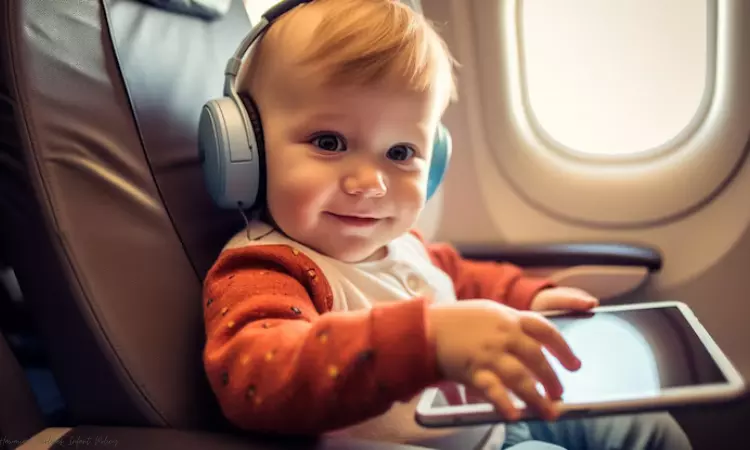
Hawaiian Airlines Infant Policy: Full Guide for Parents
Flying with an infant can be both exciting and overwhelming, especially when you're unsure of airline policies. Hawaiian Airlines infant policy is thoughtfully designed to help parents and guardians travel comfortably and confidently. Whether you're planning a family vacation to the islands or flying inter-island, understanding these guidelines ensures a smooth journey for you and your baby.
Understanding the Hawaiian Airlines Infant Age Requirements
According to the Hawaiian Airlines infant policy, an infant is defined as a child who has not yet reached their second birthday. Infants under two years old can travel:
- On the lap of an adult without purchasing an additional seat.
- In their own seat if a separate ticket is purchased, and they are secured in an FAA-approved car seat.
Each adult (18 years or older) may travel with only one lap infant. If you're flying with more than one infant, you'll need to purchase a seat for the second child and ensure an approved car seat is used.
Booking Tickets for Infants on Hawaiian Airlines
When booking your flight, it's crucial to notify Hawaiian Airlines that you're traveling with an infant. Here's what you need to know:
- Domestic Flights (Inter-Island or Mainland U.S.):
- A lap infant travels free of charge.
- A seat for an infant is optional but requires a purchased child fare.
- International Flights:
- Lap infants are subject to 10% of the accompanying adult fare, plus any applicable taxes and fees.
- If you want a separate seat for your baby, a child fare must be paid in full.
Always ensure you include your infant during the booking process, whether online or by calling Hawaiian Airlines directly. This ensures accurate boarding passes and safety preparations.
Lap Infant vs. Ticketed Infant: What’s Better?
Parents can choose between carrying their infant on their lap or purchasing an additional seat. Here are the pros and cons as per the Hawaiian Airlines infant policy:
Lap Infant (No Seat Purchased)
- Pros:
- Cost-effective for domestic flights.
- Convenient for short journeys.
- Cons:
- Limited space and comfort.
- Infant must be held during takeoff, landing, and turbulence.
Ticketed Infant (Seat Purchased)
- Pros:
- More comfort and safety using a certified car seat.
- Additional baggage allowance may apply.
- Cons:
- Extra cost, especially for international routes.
For longer flights or overnight travel, a ticketed infant seat is highly recommended for a restful experience.
Infant Baggage Allowance on Hawaiian Airlines
Another key component of the Hawaiian Airlines infant policy is the infant baggage allowance. Here’s what’s included:
- Lap Infants: No separate baggage allowance, but parents can check in:
- One diaper bag.
- One car seat and one stroller, both free of charge.
- Ticketed Infants: Eligible for the same baggage allowance as paying children, depending on fare class.
For inter-island flights and U.S. Mainland routes, diaper bags can be brought onboard in addition to your carry-on.
Car Seats and Strollers: What’s Allowed?
Traveling with baby gear is easier with the flexibility offered by Hawaiian Airlines. Here's what the airline permits:
Car Seats:
- Must be FAA-approved.
- Allowed onboard only if a seat is purchased for the infant.
- If not used on board, car seats can be checked at the gate or ticket counter.
Strollers:
- Small collapsible strollers can be gate-checked for convenience.
- Larger strollers may be checked at the ticket counter.
Both items do not count toward your baggage allowance under the Hawaiian Airlines infant policy.
In-Flight Services for Infants
Hawaiian Airlines provides several in-flight amenities to make traveling with infants easier:
- Changing tables are available in select restrooms.
- Warm water for bottles is available upon request.
- While baby food or formula is not provided, you are welcome to bring your own in accordance with TSA liquid rules.
Parents are encouraged to bring enough supplies for the entire duration of the flight, including diapers, wipes, snacks, and formula.
Check-In and Boarding with Infants
Families traveling with infants are offered priority boarding to help them settle in early. At check-in:
- Ensure your infant is properly listed on the reservation.
- For international travel, infants must have their own passport and any required visas.
- Bring a copy of the infant’s birth certificate to verify age if needed.
Boarding early allows families extra time to stow gear, secure the car seat if applicable, and get comfortable.
HawaiianMiles and Infants
Infants traveling without a paid seat do not earn HawaiianMiles. However, if you purchase a separate seat for your baby:
- The infant may earn HawaiianMiles if they have their own HawaiianMiles account.
- It’s easy to enroll your child at any age.
This is a great option for frequent travelers who want to maximize their family’s miles.
Tips for Smooth Infant Travel on Hawaiian Airlines
- Feed during takeoff and landing to ease ear pressure.
- Choose front-row or aisle seats for more room and convenience.
- Use a baby carrier or sling when walking through the airport.
- Pack extra clothes for both you and your baby in your carry-on.
- Inform the crew you’re traveling with an infant—they’re usually very accommodating.
These small steps, in line with the Hawaiian Airlines infant policy, can make a big difference in your travel experience.
Conclusion: Travel With Confidence Using the Hawaiian Airlines Infant Policy
The Hawaiian Airlines infant policy is comprehensive, family-friendly, and designed to give parents peace of mind from booking to arrival. Whether you’re traveling inter-island or internationally, understanding these detailed policies helps ensure a safe and comfortable flight for your little one.
With generous stroller and car seat allowances, flexible lap infant options, and courteous staff, Hawaiian Airlines infant policy continues to set a high standard for traveling families. For a truly memorable and stress-free trip, plan ahead and take advantage of all the amenities and services offered.