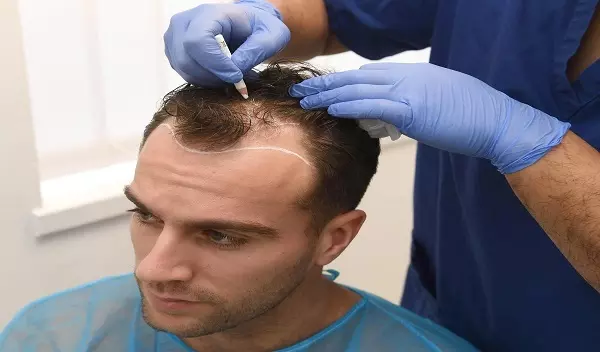
What’s Better: FUE or DHI in Islamabad?
Hair loss can impact self-esteem and confidence, but thanks to advancements in medical science, effective solutions are available. Two of the most popular techniques used today are FUE (Follicular Unit Extraction) and DHI (Direct Hair Implantation). If you're exploring options for a Hair Transplant in Islamabad, understanding the differences between FUE and DHI is essential to making an informed decision.
Both procedures fall under the category of minimally invasive hair transplantation but differ significantly in terms of method, precision, cost, and recovery. Let’s explore which one might be better suited for your specific hair loss concerns.
Understanding FUE (Follicular Unit Extraction)
FUE is one of the most commonly performed hair transplant procedures in Islamabad and around the world. It involves extracting individual hair follicles from a donor area (usually the back of the scalp) and implanting them into areas affected by hair thinning or baldness.
How FUE Works:
- The scalp is shaved for better visibility.
- Local anesthesia is applied.
- Hair follicles are harvested one by one using micro punches.
- Tiny incisions are made in the recipient area.
- Grafts are implanted into these incisions.
Key Benefits of FUE:
- Minimal scarring (dot-like marks)
- Quicker healing compared to traditional strip methods
- Natural-looking results
- Can be used to restore beard, eyebrows, and mustaches as well
Understanding DHI (Direct Hair Implantation)
DHI is an advanced form of FUE, designed to improve precision and survival rate of grafts. While the extraction process is similar to FUE, the implantation differs significantly. In DHI, hair follicles are implanted directly using a specialized tool called a Choi Implanter Pen, eliminating the need for pre-made incisions.
How DHI Works:
- Hair follicles are extracted (like FUE).
- Grafts are loaded into the implanter pen.
- The pen creates the incision and implants the follicle simultaneously.
Key Benefits of DHI:
- Higher precision in angle, depth, and direction
- No need to shave the recipient area
- Reduced handling of grafts, improving survival rate
- Faster recovery with less trauma
Major Differences Between FUE and DHI
FeatureFUEDHIIncisionsMade manually before implantationNot needed; done with implanter penGraft SurvivalHighVery HighShaving RequiredFull shaving usually requiredOften, only donor area needs shavingRecovery Time7–10 days5–7 daysSuitable ForLarge bald areasDense packing or hairline detailingProcedure DurationShorterLonger due to precision work
Which Is More Effective?
Effectiveness depends largely on the skill of the surgeon and the individual case:
- FUE is highly effective for patients who want to cover large bald areas. It’s faster and more budget-friendly.
- DHI is ideal for detailed work—especially when designing the hairline or performing dense packing in smaller areas.
Cost Comparison in Islamabad
- FUE: Generally less expensive than DHI. Pricing often starts at PKR 70–100 per graft.
- DHI: More costly due to specialized tools and the surgeon’s extended involvement. The rate can go up to PKR 150 per graft or more.
Keep in mind that choosing a cheaper option should not compromise the surgeon’s experience or facility standards.
Pain and Recovery
Both FUE and DHI are performed under local anesthesia, making them virtually painless. You may experience minor swelling and soreness post-procedure.
- FUE Recovery: Scabs fall off in 7–10 days. You can resume normal activities in a week.
- DHI Recovery: Slightly faster healing due to less trauma and no pre-made incisions.
Scarring
- FUE: Leaves micro-dots that are hardly visible if hair is kept slightly long.
- DHI: Leaves even less noticeable scarring due to fewer incisions and better control.
Both methods are considered "scarless" by industry standards, but visibility may vary with scalp type and hair density.
Who Is the Right Candidate?
FUE is best for:
- Patients with large areas of baldness
- Those who want a more cost-effective solution
- Individuals with enough donor hair
DHI is best for:
- Patients with early-stage hair loss
- Those needing high-density implantation or refined hairlines
- People preferring minimal shaving or downtime
Choosing the Right Clinic in Islamabad
The success of either procedure depends on the skill and experience of the medical team. Clinics that use advanced equipment, provide pre-operative assessments, and follow strict hygiene protocols can make a huge difference.
Look for:
- Board-certified hair transplant surgeons
- Access to before-and-after galleries
- Transparent pricing
- Thorough consultation and follow-up
What Do Experts Say?
Most specialists in Islamabad agree that both methods have their place, and sometimes even a combination of FUE and DHI is recommended for optimum results. For example, FUE may be used for bulk restoration, while DHI can refine the frontal hairline.
During your consultation, the surgeon will evaluate your scalp condition, donor area density, and desired outcome to recommend the most suitable method.
Conclusion
When it comes to choosing between FUE and DHI, there is no one-size-fits-all answer. Both techniques are effective and safe when performed by skilled professionals. If you are looking for a faster, cost-effective solution and have extensive hair loss, FUE might be your best option. On the other hand, if you're seeking highly natural results with less trauma and downtime, DHI could be more suitable.
To make an informed decision, it’s essential to consult with a clinic that offers both options and provides personalized recommendations. Dynamic Clinic in Islamabad is known for its advanced technology, experienced staff, and a client-centered approach, making it one of the top choices for hair transplant solutions in the region.