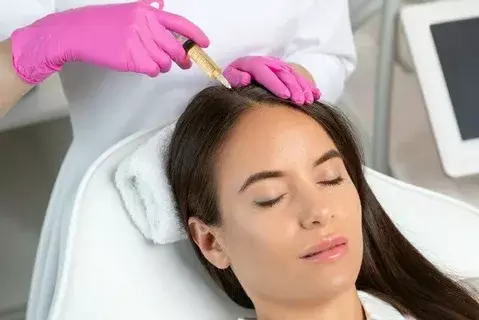
Hair Transplant in Dubai: Restoring Your Natural Hairline
Taking the decision to address thinning hair can significantly improve your quality of life and self-image. For those considering a Hair Transplant in Dubai, the advancements in follicular unit extraction have made achieving a natural, youthful look more accessible than ever before.
Understanding What is Hair Transplant in Dubai
This medical procedure is a specialized surgical technique designed to treat permanent hair loss.
It involves harvesting healthy, genetically resilient hair follicles from a donor area—usually the back of the scalp—and transplanting them into areas where thinning has occurred.
Unlike conventional cosmetic treatments, this is a permanent solution.
Because the transplanted hair retains its original genetic characteristics, it remains resistant to the hormones that typically trigger male or female pattern hair loss.
The Mechanism of How Hair Transplant in Dubai Works
The effectiveness of this treatment lies in the precision of the extraction and placement phases. Surgeons use microscopic tools to remove individual follicular units, ensuring that each graft remains intact and viable for the transfer process.
Once the grafts are prepared, the surgeon creates tiny recipient sites in the balding area, carefully mapping out the direction and angle of existing hairs. This ensures that when the hair eventually grows, it follows the natural flow and density of your original hairline.
Why Hair Transplant in Dubai Is Used
The primary objective is the restoration of hair density in areas affected by alopecia. Beyond the physical transformation, the procedure addresses the emotional impact of hair loss, helping patients regain their confidence in social and professional environments.
In our clinical experience, patients often seek this intervention to frame their face more effectively. It is a highly effective, evidence-based approach for anyone looking to reverse the visual effects of hair thinning or a receding hairline.
Primary Benefits of Restoration
Opting for this treatment offers several long-term advantages that simple cosmetic fixes cannot provide. Most notably, the results are permanent and require no specialized hairpieces or daily maintenance routines.
- Natural Results: Because the hair is yours, it grows with your original color and texture.
- Permanent Solution: Transplanted follicles are resistant to DHT-induced shedding.
- High Success Rate: Modern surgical techniques ensure high graft survival and integration.
- Minimal Scarring: Techniques used today are designed to be virtually undetectable.
Defining the Ideal Candidate
A successful outcome starts with identifying who can truly benefit from this surgery. Patients with sufficient donor density at the back of the scalp are usually the best candidates.
It is also important that the hair loss pattern has stabilized to some extent. During a consultation, a surgeon will assess the quality of your hair and the health of your scalp to determine if you are a good candidate for the procedure.
The Step-by-Step Surgical Procedure
The journey follows a structured path to ensure maximum safety and efficiency. Every step is monitored to maintain the health of the grafts.
- Consultation & Design: The hairline is drawn to match your facial features.
- Anesthesia: Local anesthetic is applied to ensure a pain-free session.
- Extraction: Follicles are harvested using precise micro-punches.
- Implantation: The team places the grafts into the recipient zone with absolute focus on density and aesthetic symmetry.
Identifying Common Treatment Areas
While the frontal hairline is a frequent focus, surgeons can restore multiple zones to create a cohesive look. Understanding these areas is essential for planning the density required for your specific needs.
Target Zone
Common Objective
Frontal Line
Re-establishing a natural, framing aesthetic.
Mid-Scalp
Increasing volume to reduce scalp visibility.
Crown/Vertex
Providing coverage to the crown area using strategic angles.
Important Cost Factors and Planning
Financial planning for your procedure involves several variables. Surgeons typically base their fees on the number of grafts required to achieve your desired density. Other factors include the complexity of the case and the specific technology employed during the session. It is important to view this as a long-term investment in your personal well-being.
Read: Top 10 Hair Transplant Surgeons in Gurgaon
Recovery Timeline and The Healing Process
What patients typically report during recovery is that the initial days are quite manageable. You may notice minor swelling or crusting around the new grafts, which is a normal part of the healing process.
Most patients resume their daily activities within a few days. The transplanted hair will naturally shed after a few weeks, which is completely expected.
New, permanent hair growth begins to emerge several months later, with final results maturing over the course of a year.
Side Effects and Safety Considerations
Safety is the cornerstone of any surgical procedure. When performed by a qualified specialist, the risks are minimal. Patients are advised to follow all post-operative guidance to reduce the likelihood of complications such as minor irritation or temporary inflammation.
Guidelines for Maintaining Results
Post-treatment care is vital for the long-term health of your new hair. This includes avoiding strenuous physical activities for a short period and following a gentle hair-care routine to protect the newly placed follicles as they settle.
Conclusion and Professional Support
Choosing the right medical facility is a significant step toward a successful outcome. Tajmeels Clinic offers the expertise and patient-centered care necessary to guide you through your restoration journey with confidence. By prioritizing medical standards, we help you achieve the natural look you desire.