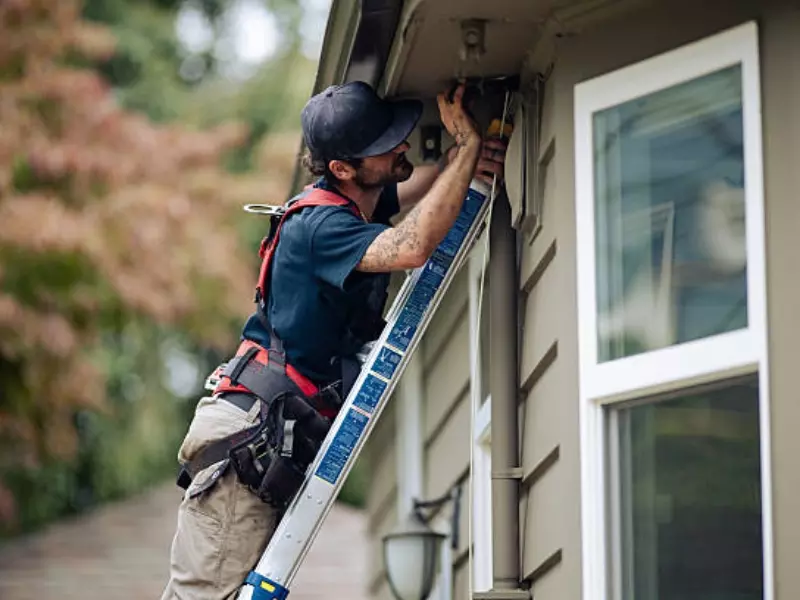
Gutter & Downspout Replacement Cost in 2026 (Full Price Guide)
Water damage doesn’t start with a flood—it often starts with a small overflow you didn’t notice.
That’s why understanding the real cost of Gutter and Downspout Replacement in 2026 is more important than ever.
With changing weather patterns and rising labor costs, homeowners are now focusing on smarter, long-term drainage solutions instead of temporary fixes.
This guide breaks everything down in a simple, practical way—so you can make the right decision without confusion.
What Is Included in Gutter & Downspout Replacement?
Before talking about cost, it’s important to know what you’re actually paying for.
A complete Gutter Downspout Replacement typically includes:
- Removal of old gutters and downspouts
- Installation of new gutter channels
- Replacement or adjustment of downspouts
- Proper slope alignment for water flow
- Sealing joints and leak prevention
- Final testing for drainage efficiency
It’s not just “replacement”—it’s a system upgrade.
Average Cost of Gutter and Downspout Replacement in 2026
National Price Overview
- Basic systems: $1,500 – $3,000
- Standard residential systems: $3,000 – $6,500
- Premium/custom installations: $6,500 – $12,000+
Cost Per Linear Foot
- Aluminum: $12 – $22 per ft
- Galvanized steel: $18 – $30 per ft
- Copper: $30 – $55 per ft
Downspout Costs
- Standard downspout: $120 – $350 each
- Custom drainage extensions: Additional $200 – $800
For most homes, Replacing Gutter Downspout systems together costs around $3,500 – $7,000, depending on complexity.
What Actually Drives the Cost? (Most People Miss This)
Many homeowners think material is the main cost factor—but in 2026, that’s only part of the story.
1. Roof Design Complexity
- Multiple slopes and corners increase labor time
- Older homes may need structural adjustments
2. Water Flow Engineering
Modern systems are designed using slope calculations and water flow analysis—not guesswork.
3. Labor Market Trends
In high-demand areas like those served by Roofing Services San Francisco, skilled labor costs significantly impact final pricing.
4. Repairs
- Fascia board damage
- Roof edge deterioration
- Improper old installations
These can increase cost but are often necessary to fix long-term issues.
Signs It’s Time to Replace (Not Repair)
You don’t always need full replacement—but these signs usually mean you do:
- Water spilling over during light rain
- Gutters pulling away from the roof
- Frequent clogging even after cleaning
- Rust, cracks, or visible holes
- Basement dampness or foundation stains
If you notice multiple signs, Replace Gutter Downspout systems instead of patching repeatedly.
Repair vs Replacement: A Practical View
Condition
What Makes Sense
Minor leaks or blockages
Repair
Aging system (15+ years)
Replacement
Repeated repair costs
Replacement
Structural misalignment
Replacement
A good rule: if repairs cost more than 30–40% of replacement, go for replacement.
Step-by-Step: How Professionals Handle It Today
Modern Gutter and Downspout Replacement Companies follow a structured process:
- Inspection & measurement
- Water flow assessment
- Safe removal of old system
- Surface preparation
- Installation with slope precision tools
- Sealing and leak-proofing
- Drainage testing
This process ensures durability—not just appearance.
Smart Ways to Reduce Costs (Without Cutting Corners)
- Choose aluminum for balance of cost and lifespan
- Replace both gutters and downspouts together (better efficiency)
- Schedule work during non-peak seasons
- Avoid emergency replacements
- Maintain your system yearly
2026 Trends in Gutter & Drainage Systems
Homeowners are shifting toward:
- Seamless gutters (fewer joints, fewer leaks)
- Leaf guard systems (less maintenance)
- Eco-drainage solutions (redirecting water for landscaping)
- Precision installation tools for accurate slope
These upgrades may increase upfront cost but reduce long-term expenses.
Common Mistakes to Avoid
- Ignoring early warning signs
- Choosing the cheapest installer
- Skipping downspout upgrades
- Not checking drainage direction
- DIY installation without proper slope knowledge
FAQs
1. How much does gutter and downspout replacement cost for a 2,000 sq ft home?
Typically between $3,500 – $7,000, depending on materials and roof complexity.
2. Can I replace only the downspout instead of the whole system?
Yes, if gutters are still in good condition. Many homeowners start with Replacing Gutter Downspout components first.
3. How long do new gutters last?
- Aluminum: 20–25 years
- Steel: 20 years
- Copper: 40+ years
4. What is the best material for gutters in 2026?
Aluminum remains the most practical due to durability, cost, and low maintenance.
5. Do gutter guards really help?
Yes. They reduce clogging and lower maintenance needs significantly.
Read: How to Maintain Gutters After Cleaning for Long-lasting
Final Thoughts: What Actually Matters
The cost of Gutter and Downspout Replacement is not just about price—it’s about preventing bigger problems.
A well-installed system:
- Protects your foundation
- Preserves your roof
- Saves thousands in future repairs
Most homeowners regret delaying replacement—not doing it.
A Real-World Insight After Deep Research
After reviewing different approaches, homeowner experiences, and how various Gutter and Downspout Replacement Companies actually work, one thing becomes clear:
The difference isn’t just in pricing—it’s in how seriously the drainage system is treated as part of the entire roofing structure.
Teams that understand both roofing and drainage—like those commonly associated with Roofers San Francisco expertise—tend to deliver more long-term value because they don’t treat gutters as a standalone add-on.
During research, UL Roofing stood out not because of marketing claims, but because of a consistent approach:
- Focusing on proper water flow, not just installation
- Aligning gutters with roof structure
- Prioritizing durability over quick fixes
If you’re comparing options, it’s worth looking at providers who think in systems, not just components. That shift alone often determines whether your investment lasts 5 years—or 25.