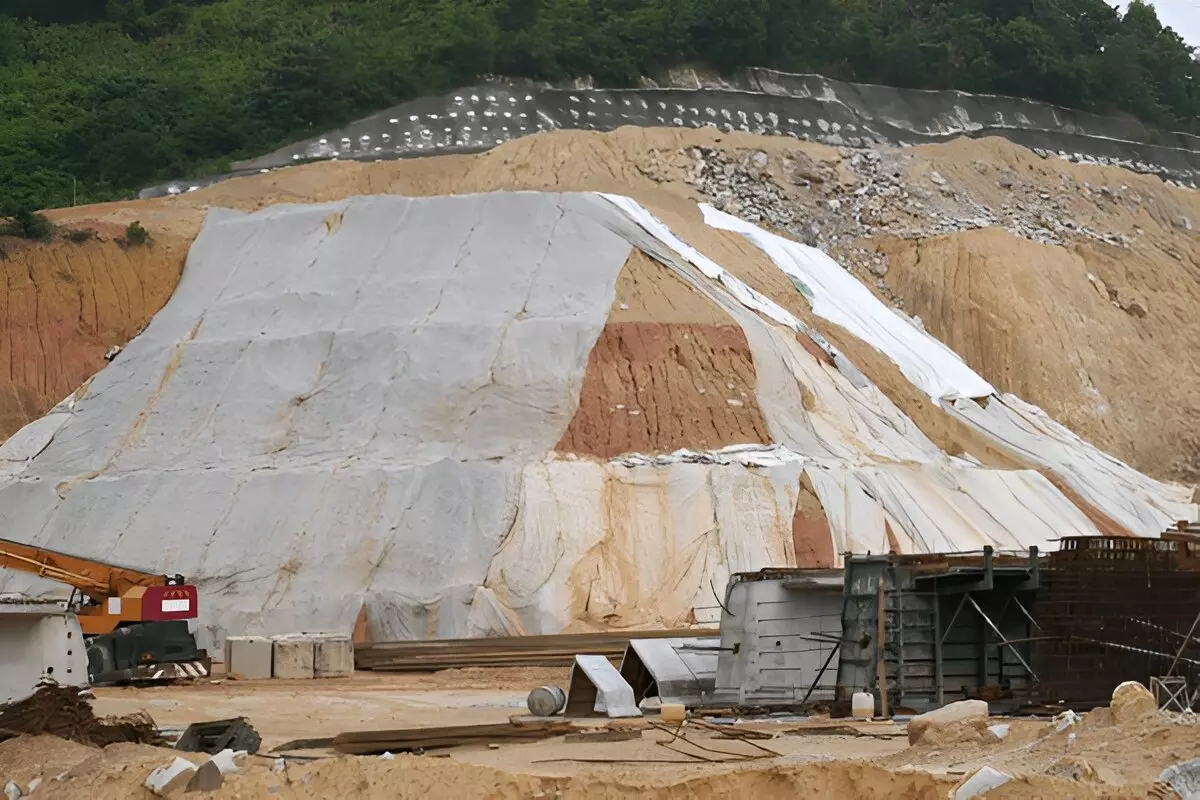
Maximizing Land Durability with Smart Ground Support Techniques
Every piece of land, whether used for construction, agriculture, or landscaping, requires stability and durability. Without proper support, soil can erode, shift, or become weak over time, leading to costly repairs and inefficiencies.
Fortunately, modern ground support techniques help strengthen soil, reduce erosion, and improve overall land durability. Two essential products in this process are Soil Stabilization Fabric and Landscape Cover. These materials provide an effective way to enhance ground stability, protect landscapes, and extend the life of outdoor spaces.
In this blog, we’ll explore the importance of land durability, smart techniques for ground support, and how Soil Stabilization Fabric and Landscape Cover play a crucial role in maintaining strong and sustainable surfaces.
Understanding the Need for Ground Support
Land durability is essential for various applications, including:
- Construction Sites: Weak soil can cause foundations to sink, roads to crack, and buildings to become unstable.
- Agricultural Land: Unstable soil reduces crop growth and makes irrigation inefficient.
- Gardens & Landscaping: Poor soil conditions lead to plant loss, erosion, and water wastage.
- Pathways & Driveways: Heavy foot and vehicle traffic can compact soil, leading to uneven and unstable surfaces.
Common Issues Affecting Land Durability
- Soil Erosion: Wind and water gradually wash away the topsoil, making the land weak.
- Water Runoff: Excessive water can cause flooding, damaging landscapes and infrastructure.
- Soil Compaction: Repeated pressure from vehicles or foot traffic leads to hard, compacted soil, reducing water absorption.
- Weed Growth: Unprotected ground becomes a breeding ground for weeds, which compete for nutrients and weaken the soil.
By implementing smart ground support techniques, you can prevent these issues and extend the life of your land.
Smart Ground Support Techniques for Maximum Durability
Improving land durability involves using specialized materials and techniques that reinforce the soil and protect it from environmental damage. Some of the most effective solutions include:
- Geotextiles & Soil Stabilization Fabrics: These help reinforce soil, prevent erosion, and improve load distribution.
- Landscape Covers & Mulching: Helps control weeds, retain moisture, and prevent surface degradation.
- Drainage Systems: Proper water management prevents flooding and soil displacement.
- Terracing & Retaining Walls: Used in sloped areas to prevent landslides and erosion.
- Ground Cover Plants: Helps keep soil in place and provides natural protection.
The use of Soil Stabilization Fabric and Landscape Cover is one of the easiest and most effective ways to ensure long-term land durability. Let’s take a closer look at how these solutions work.
The Role of Soil Stabilization Fabric in Land Protection
Soil Stabilization Fabric is a type of geotextile material designed to reinforce soil and prevent it from shifting. It is commonly used in construction, road building, and landscaping projects.
How Does It Work?
- Acts as a barrier between the soil and the surface layer to prevent soil displacement.
- Distributes weight evenly, reducing pressure on the soil and minimizing sinking.
- Helps drain excess water while keeping the soil intact.
Benefits of Using Soil Stabilization Fabric
- Prevents Erosion – Protects soil from being washed away by rain or wind.
- Improves Load-Bearing Capacity – Makes the ground strong enough to support heavy structures.
- Enhances Drainage – Allows water to pass through without affecting soil stability.
- Reduces Maintenance Costs – Minimizes the need for frequent soil replacement or repairs.
Common Applications
- Road Construction – Prevents roads from sinking and cracking over time.
- Driveways & Parking Areas – Strengthens the ground to support heavy vehicles.
- Erosion-Prone Landscapes – Keeps the soil in place, even on slopes.
- Agricultural Land – Improves soil stability for better crop growth.
By using Soil Stabilization Fabric, you can significantly enhance the durability of your land, making it more resilient to natural and human impact.
Enhancing Outdoor Spaces with Landscape Cover
Landscape Cover is a protective material placed over the soil to prevent erosion, control weeds, and maintain moisture. It is widely used in gardens, farms, and outdoor spaces.
Key Benefits of Landscape Cover
- Weed Prevention – Blocks sunlight, stopping weeds from growing.
- Moisture Retention – Helps soil retain water, reducing the need for frequent watering.
- Erosion Control – Prevents soil from being washed away by rain or wind.
- Improves Aesthetic Appeal – Keeps gardens and landscapes looking clean and well-maintained.
How to Choose the Right Landscape Cover
- For Garden Beds: Use a breathable landscape cover that allows air and water to pass through.
- For Pathways & Walkways: Choose a heavy-duty cover that can handle foot traffic.
- For Sloped Areas: Use a strong, erosion-resistant cover to prevent soil loss.
Installing Landscape Cover is an easy way to protect and maintain outdoor spaces, reducing the effort needed for maintenance and upkeep.
Best Practices for Using Soil Stabilization Fabric and Landscape Cover
To get the best results from Soil Stabilization Fabric and Landscape Cover, follow these best practices:
Installation Tips
- Prepare the Surface – Remove debris, level the ground, and ensure proper drainage.
- Secure the Fabric Properly – Use landscape pins or heavy objects to keep the fabric in place.
- Overlap Edges – Ensure there are no gaps where soil can shift or weeds can grow.
- Cover with Gravel or Mulch – For additional stability, especially in high-traffic areas.
Maintenance Tips
- Regularly inspect for damage or displacement.
- Remove accumulated debris and weeds on top of the cover.
- Replace sections if they become torn or ineffective.
Choosing the Right Products for Your Land Durability Needs
With various options available, it’s important to select the right Soil Stabilization Fabric and Landscape Cover based on your project needs.
Factors to Consider
- Climate & Weather Conditions – Choose materials that can withstand heavy rain, wind, or extreme temperatures.
- Soil Type – Different fabrics work better with certain types of soil.
- Traffic Load – High-traffic areas require heavy-duty materials.
Investing in high-quality soil stabilization and landscaping solutions will save time and money in the long run while ensuring long-term land durability.
Conclusion
Maximizing land durability is essential for maintaining strong, sustainable outdoor spaces. Using Soil Stabilization Fabric and Landscape Cover, you can prevent erosion, control weeds, improve drainage, and reinforce soil for long-term stability.
Whether you're working on a construction site, landscaping a garden, or maintaining an agricultural field, these smart ground support techniques will help protect and enhance your land.
If you’re looking for high-quality Soil Stabilization Fabric and Landscape Cover, explore our range of durable and reliable products to keep your land strong and well-maintained for years to come!