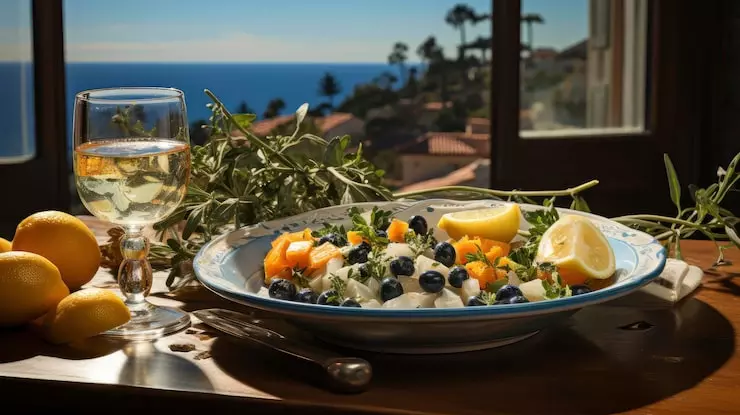
Greek Island Food Guide: Taste Authentic Flavors
Introduction
The Greek islands have always attracted travelers with their turquoise waters, sun-kissed beaches, and enchanting villages. Beyond the natural beauty, food is at the heart of the island experience. A Greek island food guide opens doors to flavors, traditions, and hospitality that define the culture. From fresh seafood to timeless desserts, every dish tells a story of heritage and lifestyle. Exploring the islands without savoring their culinary identity is like missing half the journey.
The Culinary Roots of the Islands
Greek cuisine reflects a blend of ancient traditions, local produce, and Mediterranean influences. Each island has developed unique dishes shaped by geography and history. The volcanic soil of Santorini adds richness to its vegetables, while Crete’s rugged landscape influences hearty and earthy flavors.
Food in the Greek islands is not only nourishment but a celebration of life. A Greek island food guide helps uncover these regional differences, highlighting how local customs and seasonal availability influence every meal.
Fresh Seafood Delights
The islands are surrounded by the Aegean and Ionian Seas, making seafood a staple. Freshly caught octopus drying under the sun, grilled squid served with lemon, or simple fish soups embody authentic island dining. Many villages host small tavernas where fishermen deliver the daily catch. From red mullet to sea bream, the variety is endless. Visitors who follow a Greek island food guide discover that seafood is prepared with minimal seasoning, allowing natural flavors to shine.
Octopus and Squid
Octopus is often grilled to perfection or simmered in wine, while squid becomes the highlight of beachside meals. The simplicity of preparation emphasizes freshness. Served with olive oil and herbs, these dishes represent the heart of island dining.
Traditional Fish Dishes
Islands such as Naxos and Paros serve fish baked with tomatoes and onions, while Skiathos is famous for fish soups. Simple yet comforting, these recipes bring generations of culinary traditions to the table.
Vegetables and Island Produce
Beyond seafood, vegetables and legumes dominate island cuisine. Tomatoes, eggplants, zucchini, and beans find their way into daily meals. Santorini is known for its cherry tomatoes, while Crete is famous for wild greens. The use of olive oil is central, turning simple vegetables into aromatic feasts. A Greek island food guide often mentions that most ingredients are grown locally, ensuring freshness and authenticity.
Famous Island Salads
Greek salads are iconic, but each island adds a twist. In Santorini, salads include capers and sun-dried tomatoes. On Crete, dakos—a rusk topped with tomatoes, feta, and olive oil—offers a wholesome snack. These variations highlight the creativity within simplicity.
Legume Dishes
Islands like Sifnos and Folegandros celebrate chickpeas in slow-cooked stews, often baked overnight in clay pots. Lentil soups and fava bean dips also remain popular. These dishes provide comfort and nutrition, making them a central part of island dining traditions.
Cheese and Dairy Specialties
Cheese is another treasure of the islands. While feta is well-known worldwide, the islands offer many local varieties. Mykonos has kopanisti, a spicy cheese spread, while Naxos is known for its graviera. Cheese often pairs with bread, vegetables, or is incorporated into pies. Exploring cheeses through a Greek island food guide adds another layer of appreciation for local craftsmanship.
Pies and Pastries
Cheese pies, spinach pies, and mixed vegetable pies are common in bakeries. Thin phyllo dough and fillings made from local produce create a perfect combination of flavor and texture. These pies are not just snacks but a tradition passed down for centuries.
Meat and Hearty Dishes
Although seafood and vegetables dominate, meat dishes hold their own place. Lamb, goat, and pork are widely enjoyed, especially during festivals. Slow-roasted lamb on the spit, goat stews, and pork souvlaki are highlights of communal feasts. The preparation is often rustic, keeping flavors pure. A Greek island food guide reveals that such dishes often bring families and neighbors together, reflecting the social side of food.
Festival Foods
During Easter and other celebrations, lamb and goat are prepared in traditional ovens. These festive meals are accompanied by bread, salads, and wine. Such gatherings emphasize how food is intertwined with faith and community.
Island Desserts and Sweets
Desserts in the Greek islands offer a sweet conclusion to meals. Honey, nuts, and phyllo are common ingredients, while regional specialties make each island unique.
Loukoumades and Baklava
Loukoumades, small honey-soaked dough balls, are popular across the islands. Baklava, with its layers of phyllo, nuts, and syrup, is a festive delight. These sweets are often shared during celebrations, adding joy to gatherings.
Island-Specific Treats
Syros is famous for loukoumi, a sugary delight, while Andros offers amygdalota, almond-based sweets. Each island contributes to a wider dessert culture that visitors can explore through a Greek island food guide.
Wines and Beverages
Wine has been part of Greek culture for centuries, and the islands produce some of the most distinctive varieties. Santorini is renowned for Assyrtiko, a crisp white wine that pairs perfectly with seafood. Raki and ouzo, traditional spirits, are also part of the experience. Sharing drinks reflects hospitality, an essential element of island life.
Coffee Culture
Greek coffee is strong and aromatic, served in small cups. Island mornings often begin with a coffee at a seaside café, where locals and visitors alike enjoy the slow rhythm of life. This culture of coffee and conversation enhances the dining experience.
The Role of Hospitality
Food on the Greek islands goes beyond taste; it embodies hospitality. Islanders take pride in offering meals to guests, often adding extra dishes to the table. A Greek island food guide highlights that sharing food creates bonds, making visitors feel part of the community. Eating on the islands is not just about nourishment but about connection and tradition.
Seasonal and Festive Variations
Food changes with the seasons. Summer emphasizes fresh vegetables and seafood, while winter favors legumes and stews. Religious festivals bring special dishes, blending faith with flavor. These variations keep cuisine vibrant and rooted in tradition. Following a Greek island food guide helps visitors experience the islands at their most authentic, season by season.
Culinary Adventures for Travelers
Travelers exploring the islands often find that food becomes a memorable part of the journey. Cooking classes, vineyard tours, and local markets reveal more than just flavors—they show the rhythm of island life. A Greek island food guide encourages visitors to go beyond restaurants and connect with locals, creating lasting memories.
Conclusion
The Greek islands are a mosaic of landscapes, traditions, and flavors. A Greek island food guide brings these elements together, offering insight into the essence of island life. From seafood by the shore to desserts crafted with love, every dish tells a story. Exploring the islands through their cuisine reveals history, hospitality, and joy in the simplest of meals. For travelers seeking more than sights, food becomes the most rewarding journey, turning every bite into a memory of Greece.