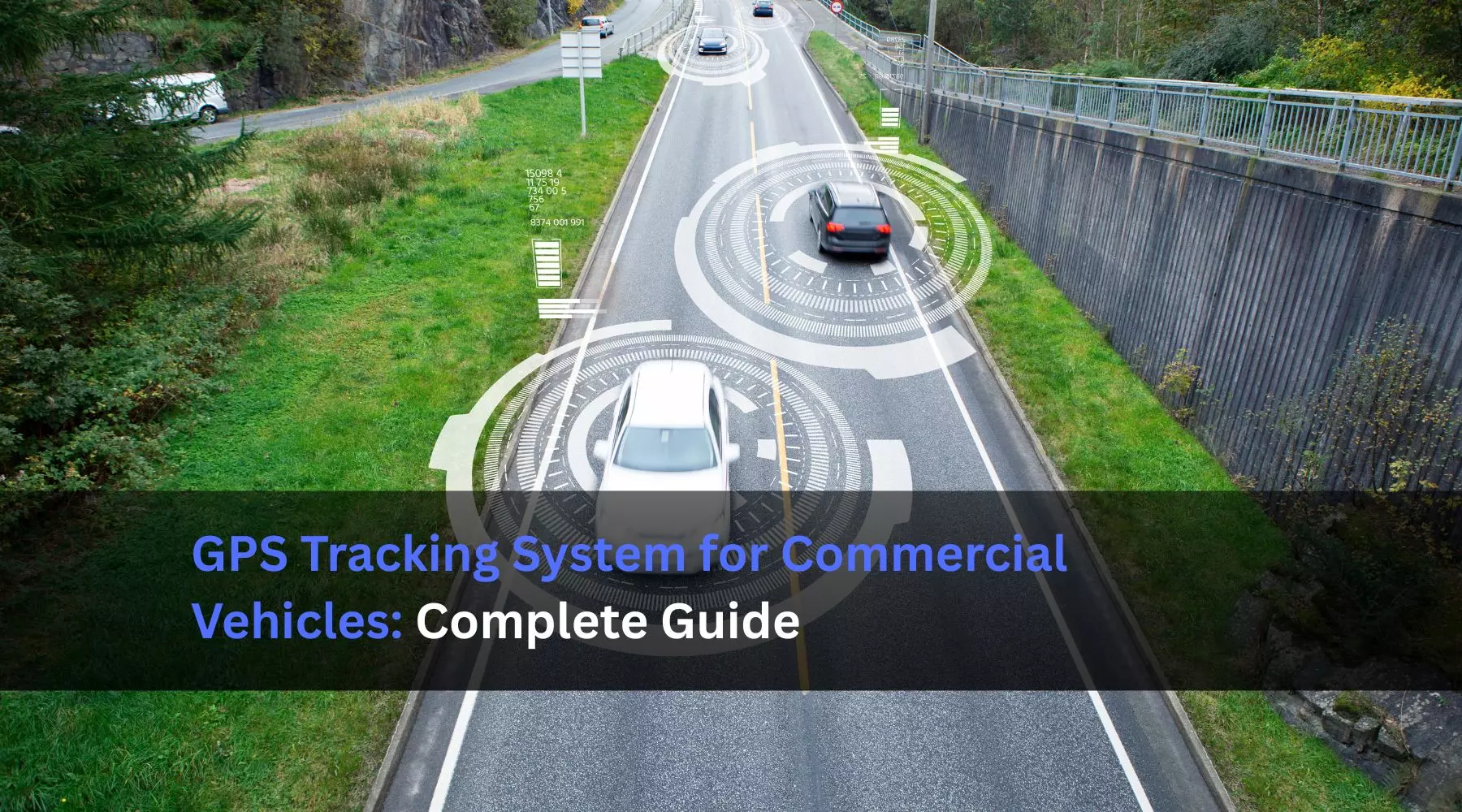
GPS Tracking System for Commercial Vehicles: Complete Guide
Commercial vehicles are the backbone of industries like logistics, construction, e-commerce, manufacturing, and public transportation. Managing these vehicles efficiently has become more challenging as businesses expand their operations across multiple cities and states.
A GPS Tracking System for Commercial Vehicles offers a practical solution by providing real-time visibility into vehicle movement, driver behaviour, route performance, and fleet operations.
Instead of relying on manual updates or phone calls, businesses can monitor every vehicle from a single platform, helping reduce operational costs while improving productivity and customer service.
Modern businesses are no longer using GPS only to find a vehicle's location. Today's systems deliver valuable operational insights that help fleet managers make faster decisions, improve safety, and optimise resources. Whether managing five vehicles or hundreds, accurate tracking data can significantly improve day-to-day fleet operations.
What Is a GPS Tracking System for Commercial Vehicles?
A GPS tracking system is a technology that combines satellite positioning, communication networks, and cloud-based software to monitor vehicle location and activity in real time. A GPS tracking device installed inside the vehicle continuously collects location data and transmits it to a secure online platform.
Fleet managers can access detailed information such as live vehicle location, trip history, speed reports, stoppage time, route deviations, and driver activity through desktop or mobile applications. This complete visibility allows businesses to improve operational planning while maintaining better control over commercial fleets.
Unlike manual vehicle monitoring, GPS technology provides accurate information without depending on driver communication, making fleet management much more reliable.
Why Commercial Fleets Need GPS T
A reliable GPS tracking solution offers much more than simple location tracking. Modern platforms provide multiple features designed to improve both operational efficiency and fleet security.
Real-Time Vehicle Tracking
Live location monitoring allows fleet managers to track every vehicle throughout the day. Real-time updates help dispatch teams respond quickly to delays, unexpected route changes, or emergency situations while improving coordination between drivers and office staff.
Route History and Trip Reports
Every journey is automatically recorded, allowing businesses to review travel history, distance covered, travel duration, and stoppage points. Historical reports help identify inefficient routes and improve future trip planning.
Geo-Fencing Alerts
Geo-fencing creates virtual boundaries around specific locations such as warehouses, customer sites, or restricted areas. The system automatically generates alerts whenever a vehicle enters or leaves predefined zones, improving operational control and security.
Driver Behaviour Monitoring
Driving habits have a direct impact on fuel consumption, maintenance costs, and road safety. GPS systems monitor speeding, harsh braking, rapid acceleration, excessive idling, and other driving behaviours. These insights help businesses encourage safer driving practices while reducing vehicle wear and fuel expenses.
How GPS Tracking Improves Fleet Efficiency
Fleet efficiency depends on several factors working together, including route planning, vehicle utilisation, maintenance scheduling, fuel management, and driver accountability. A GPS tracking system provides accurate operational data that helps managers improve each of these areas.
By analysing trip reports and travel patterns, businesses can identify unnecessary mileage, repeated delays, or inefficient routes. Dispatch teams can assign the nearest available vehicle to new jobs, reducing travel time and improving response speed. Managers also gain better visibility into idle time, allowing them to reduce unnecessary fuel consumption and increase vehicle productivity.
Many organisations also integrate GPS tracking with maintenance schedules, ensuring vehicles receive timely servicing based on actual usage rather than fixed intervals. This reduces unexpected breakdowns and extends vehicle lifespan.
Businesses using reliable solutions such as Sahaj GPS often combine real-time vehicle tracking with fleet reports to improve operational visibility, enhance customer service, and make more informed management decisions.
Fuel Management and Lower Operating Costs
Fuel is one of the largest recurring expenses for commercial fleets, making effective fuel management essential for long-term profitability.
A GPS tracking system helps businesses monitor route efficiency, identify excessive idling, reduce unnecessary mileage, and analyse driver behaviour that directly affects fuel consumption. Instead of relying on estimates, fleet managers receive detailed reports that highlight where fuel is being wasted and which vehicles require attention.
When combined with fuel monitoring solutions, GPS data provides even deeper insights into consumption trends, refuelling events, and possible fuel theft.
Businesses can optimise routes, eliminate unnecessary trips, and improve vehicle utilisation, leading to measurable cost savings over time. Even small improvements in daily fuel efficiency can result in significant annual savings across an entire fleet.
Preventive Maintenance Keeps Fleets Moving
Vehicle breakdowns not only increase repair costs but also disrupt deliveries, delay customer commitments, and reduce overall productivity. GPS tracking systems help businesses schedule preventive maintenance by monitoring vehicle usage, engine hours, and travel distance.
Rather than following fixed maintenance intervals, fleet managers can service vehicles based on actual operating conditions.
This approach reduces unexpected breakdowns, extends vehicle life, and keeps fleets operating at maximum efficiency. Well-maintained vehicles also consume less fuel and perform more reliably, making preventive maintenance an important part of modern fleet management.
Read: Best-Rated Taxi Booking App USA for Dallas Travelers
AIS 140 Compliance for Commercial Vehicles
Many commercial vehicles in India are required to follow AIS 140 standards, particularly those operating in passenger transport. An AIS 140 GPS tracker includes features such as emergency buttons, location tracking, and communication capabilities that help improve passenger safety while meeting government regulations.
Businesses planning to expand their commercial fleets should ensure that the selected GPS solution complies with applicable regulatory requirements. Choosing a system that supports both compliance and operational management allows organisations to avoid future upgrades while maintaining uninterrupted fleet operations.
Choosing the Right GPS Tracking System
Not every GPS tracking platform offers the same level of functionality. Businesses should evaluate solutions based on operational requirements rather than focusing only on price.
A dependable system should include:
- Real-time vehicle tracking
- Route history and trip reports
- Geo-fencing alerts
- Driver behaviour monitoring
- Fuel management integration
- Maintenance reminders
- Mobile application access
- Fleet analytics dashboard
- Secure cloud-based reporting
Scalability is equally important. As businesses add more vehicles, the tracking platform should continue supporting larger fleets without affecting performance or reporting accuracy.
Many growing businesses choose Sahaj GPS because it combines vehicle tracking, fleet monitoring, reporting, and operational insights within a single platform, making daily fleet management more efficient and easier to scale.
The Future of Commercial Vehicle GPS Tracking
Fleet management technology continues to evolve rapidly. Artificial intelligence, IoT sensors, predictive analytics, and cloud computing are transforming how businesses monitor and manage commercial vehicles.
Modern systems are no longer limited to tracking locations; they provide valuable operational intelligence that supports faster decision-making and improved business performance.
Future GPS platforms will increasingly focus on predictive maintenance, automated compliance reporting, smarter route optimisation, and enhanced driver safety.
Businesses adopting advanced fleet technologies today are better prepared to improve operational efficiency while remaining competitive in a rapidly changing transportation industry.
Commercial fleets generate enormous amounts of operational data every day. Businesses that convert this data into actionable insights are often able to reduce costs, improve customer satisfaction, and maximise vehicle utilisation more effectively than those relying on traditional management methods.
Investing in the right GPS tracking system is no longer simply about knowing where vehicles are located—it has become an essential strategy for building safer, smarter, and more profitable fleet operations.
FAQs
1. What is a GPS tracking system for commercial vehicles?
A GPS tracking system helps businesses monitor vehicle location, trip history, driver behaviour, and operational performance in real time, improving fleet visibility, efficiency, and overall management.
2. How does GPS tracking reduce fleet operating costs?
GPS tracking reduces costs by improving route planning, minimising idle time, lowering fuel consumption, preventing unauthorised vehicle use, and supporting preventive maintenance.
3. Which industries benefit from commercial vehicle GPS tracking?
Logistics, transportation, construction, healthcare, FMCG, mining, school transport, public transport, and field service businesses all benefit from improved fleet visibility and operational control.
4. Is an AIS 140 GPS tracker mandatory in India?
AIS 140 compliance is mandatory for specific categories of commercial passenger vehicles. Businesses should verify applicable regulations based on vehicle type and operational requirements.
5. What features should a commercial vehicle GPS tracking system include?
A good GPS tracking system should offer live tracking, route history, geo-fencing, driver behaviour monitoring, maintenance reminders, fuel management, mobile access, and detailed fleet reports.