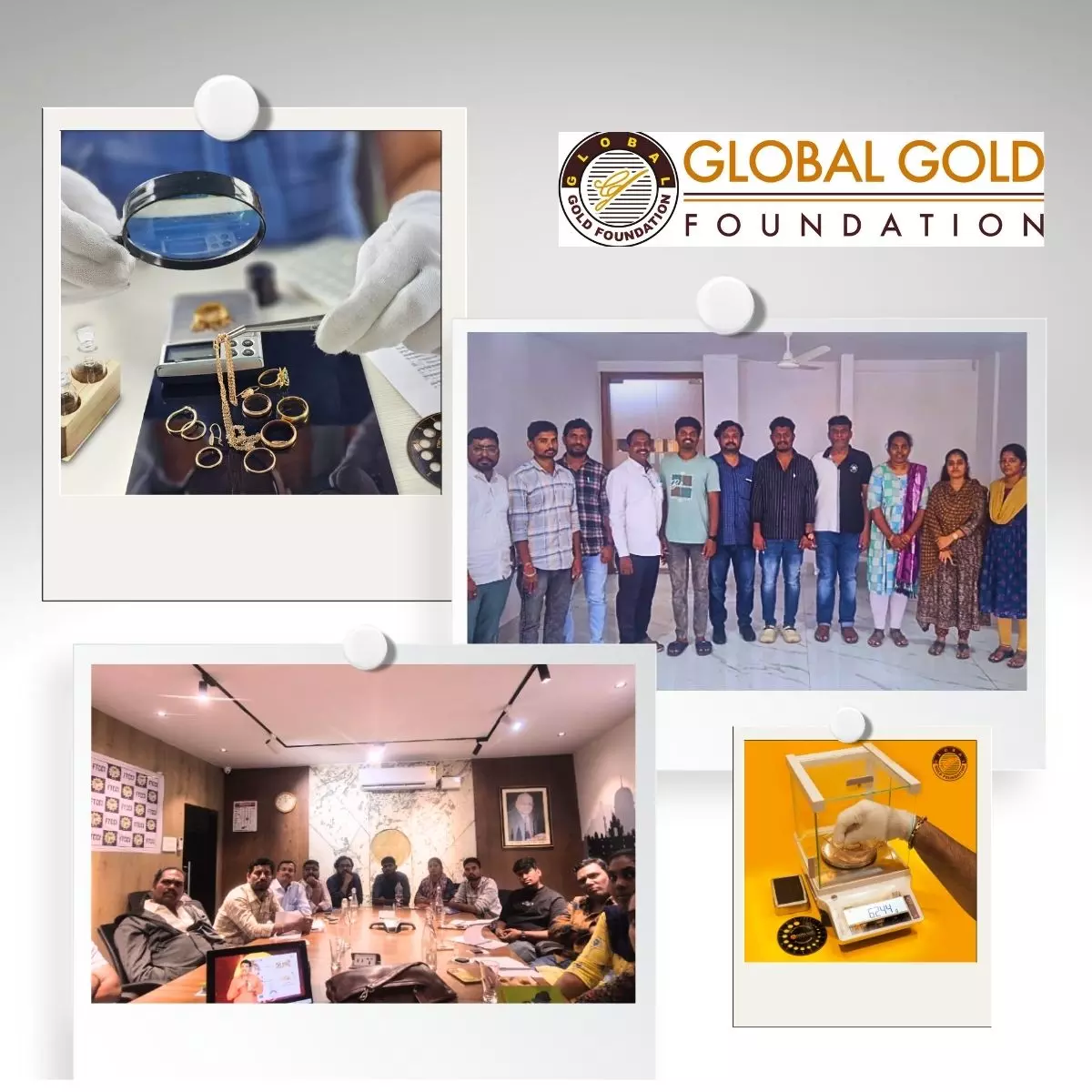
Gold Appraisal Course in Singapore for New Jewelers
If you’re stepping into the jewelry trade, there’s one skill that quietly shapes everything else you do—understanding gold. Not just how it looks under warm showroom lights. Not just how it feels in your palm. But how it’s measured, tested, graded, and valued.
That’s where a gold appraisal course in Singapore makes all the difference.
For aspiring or new jewelers, learning gold appraisal isn’t a side skill. It’s the backbone of your credibility.
Whether you plan to design, sell, repair, or trade, knowing how gold quality and value are assessed gives you confidence that customers can feel.
Let’s talk about why that matters—and what you can expect from the right course.
Why Gold Knowledge Is a Game-Changer for New Jewelers
When someone walks into your store and asks, “Is this really 22K?”—how do you respond?
A hesitant answer costs trust. A clear, calm explanation builds it instantly.
Singapore’s jewelry market is vibrant and multicultural. From traditional Indian wedding jewelry to contemporary minimalist pieces, gold plays a starring role. In places like Singapore, customers are savvy. Many compare prices across neighborhoods like Chinatown and Little India. They ask questions. They expect transparency.
If you’re new to the industry, a gold appraisal course in Singapore helps you:
- Understand purity standards (24K, 22K, 18K, and more)
- Identify gold-plated versus solid gold
- Calculate real-time value based on weight and purity
- Communicate pricing clearly to customers
And honestly? That confidence shows. It changes the way you hold a piece, the way you speak, the way you negotiate.
What Exactly Is Gold Appraisal? (And Why It’s Not Just “Testing”)
Some beginners assume appraisal means scratching gold on a stone and pouring acid. That’s part of it, yes—but it’s far from the full picture.
A structured gold appraisal course in Singapore usually covers:
- Gold identification techniques – visual cues, stamps, density checks
- Acid testing methods – safe and accurate procedures
- Electronic gold testing tools – modern alternatives to traditional methods
- Weight calculation and valuation formulas
- Market rate application and margin calculation
It’s both science and judgment. You’ll learn how impurities affect karat value. You’ll understand alloy composition. You’ll calculate value using spot price references.
And sometimes, you’ll simply rely on trained observation—because experience teaches you what textbooks can’t.
The Practical Edge: Hands-On Learning Matters
Here’s something important. Reading about gold isn’t the same as holding it.
The best gold appraisal course in Singapore includes practical sessions where you:
- Test real gold samples
- Compare different karat levels side by side
- Practice calculating value under time pressure
- Examine worn, repaired, or altered pieces
That tactile learning builds instinct.
You start noticing tiny details—how 18K gold feels slightly firmer than 22K. How older pieces sometimes have inconsistent markings. How certain finishes can mislead beginners.
These small observations make you sharper. And sharp jewelers make fewer costly mistakes.
Understanding Gold Pricing in Singapore’s Market
Gold isn’t static. Prices fluctuate daily. As a jeweler, you need to interpret those changes quickly.
A gold appraisal course in Singapore trains you to:
- Read live gold rates
- Convert international prices into local currency
- Factor in workmanship charges
- Calculate resale or buyback values
If you plan to purchase old gold from customers, this knowledge becomes crucial. Overestimate purity and you lose money. Underestimate it and you lose trust.
It’s a balancing act. But once you understand the formula, it becomes second nature.
Beyond Numbers: Building Trust Through Expertise
- Let’s pause for a moment.
- Jewelry isn’t just metal. It’s emotional. Engagement rings. Wedding chains. Family heirlooms. When customers bring gold to you for evaluation, they’re not handing over “inventory.” They’re handing over memories.
- A trained appraiser knows how to handle that moment with care.
You’ll learn not just technical valuation but also how to:
- Explain findings respectfully
- Clarify deductions clearly
- Maintain professionalism under negotiation
That’s the difference between a technician and a trusted jeweler.
Career Opportunities After a Gold Appraisal Course in Singapore
You might be wondering—what doors does this actually open?
Quite a few.
After completing a gold appraisal course in Singapore, you can:
- Work in retail jewelry stores
- Join gold buying and resale businesses
- Start your own small gold evaluation service
- Assist in pawn and trade environments
- Expand into jewelry design with valuation expertise
For new jewelers especially, appraisal knowledge strengthens every role. Even if you’re primarily designing or selling, knowing valuation fundamentals sets you apart from competitors who rely only on suppliers’ word.
It also helps if you dream of opening your own boutique someday. And who doesn’t?
Tools You’ll Get Comfortable With
Let’s talk gear.
During your training, you’ll typically handle:
- Touchstones
- Testing acids
- Digital weighing scales
- Magnification tools
- Electronic gold testers
At first, it might feel overwhelming. But after repetition, these tools become extensions of your hands.
And here’s something interesting—many beginners fear acid testing. They worry about damaging jewelry. A proper course teaches precision and safety, so that fear fades quickly.
Knowledge replaces hesitation.
The Cultural Side of Gold in Singapore
Gold isn’t just an asset in Singapore. It’s tradition.
From Deepavali celebrations to Chinese weddings, gold jewelry carries cultural meaning. Understanding these contexts makes you more sensitive and informed as a jeweler.
For example:
- Indian bridal jewelry often features high-karat gold.
- Chinese designs may incorporate symbolic motifs.
- Contemporary buyers sometimes prefer 18K for durability.
When you combine cultural awareness with appraisal skill, you become more than a salesperson. You become a consultant.
How Long Does It Take to Learn?
Most gold appraisal courses are structured as short-term programs. Some run intensively over a few days, while others stretch across a couple of weeks.
The learning curve is manageable. You don’t need a science background. You need curiosity, steady hands, and attention to detail.
The real growth happens after the course—when you begin applying what you’ve learned in real transactions. That’s when theory turns into instinct.
Common Mistakes New Jewelers Make (And How Training Prevents Them)
Let’s be honest. Beginners often:
- Trust stamps blindly
- Ignore soldered sections in weight calculation
- Misread color variations
- Confuse gold-filled with solid gold
A structured gold appraisal course in Singapore corrects these early. It teaches you to question assumptions.
Is that 22K mark authentic?
Has the piece been altered?
Is the clasp lower karat than the chain?
Once you learn to ask these questions, your evaluations become sharper—and safer.
Choosing the Right Gold Appraisal Course in Singapore
Not all programs are equal. Look for one that offers:
- Hands-on practice
- Experienced trainers from the jewelry field
- Clear valuation methods
- Real sample testing
- Small batch sizes for personal guidance
You don’t want to sit in a lecture hall memorizing notes. You want real interaction. Real gold. Real feedback.
That’s where confidence is built.
Read: India's No.1 Gold Appraiser Training Institute for Ambitious
FAQs About Gold Appraisal Course in Singapore
1. Do I need prior jewelry experience to join?
No. Most courses welcome beginners. A basic interest in jewelry and gold is enough.
2. How long does the course usually take?
It varies. Some intensive programs run for a few days, while others may span a few weeks with flexible schedules.
3. Will I get practical training?
Yes, quality programs include hands-on sessions with testing tools and real gold samples.
4. Is gold appraisal a profitable skill in Singapore?
Yes. With Singapore’s active gold trade and cultural demand, skilled appraisers are always valued.
5. Can I start my own business after completing the course?
Many graduates use their skills to work independently or expand their jewelry ventures.
Final Thoughts: Is This the Right Step for You?
If you’re serious about building a career in jewelry, then learning gold appraisal isn’t optional—it’s essential.
A gold appraisal course in Singapore equips you with practical knowledge, professional confidence, and market awareness.
It protects you from costly mistakes. It strengthens customer trust. And it gives you something every successful jeweler needs—authority.
You don’t have to know everything on day one. But you do need a solid foundation.
And this might just be it.
Ready to Begin?
If you’re an aspiring jeweler looking to build real expertise, now’s the time to enroll in a gold appraisal course in Singapore. Strengthen your skills. Understand gold deeply. Serve your customers with confidence.
Start learning today—and build your jewelry career on knowledge that shines as brightly as the gold you handle.