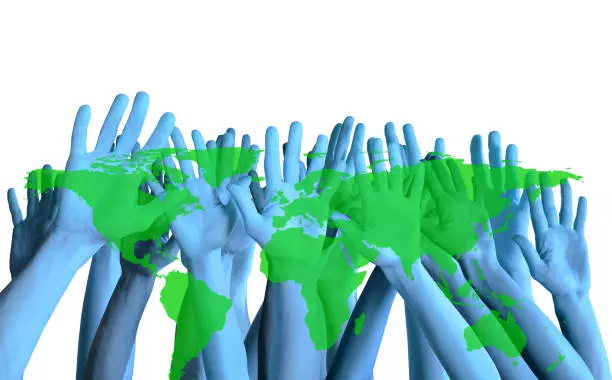
Global Peace in Local Hands: Grassroots Models of Reconciliation That Inspire the World
Global Peace is often envisioned as a grand goal shaped by governments and international organizations. Yet, lasting harmony frequently begins at the community level, where ordinary people bridge divides and heal wounds. Grassroots movements worldwide show that reconciliation is not just a political project but a personal mission driven by compassion and shared humanity.
When communities foster dialogue, empathy, and cooperation, they demonstrate that peace is not distant or abstract; it is achievable in daily life. These local stories provide inspiring blueprints for building a more peaceful world together.
Grassroots Movements as Catalysts
Small-scale initiatives often make the most profound contributions to Global Peace. Villagers rebuilding homes for both sides after conflict, women’s groups advocating dialogue, or youth projects promoting tolerance prove that reconciliation is possible through collective action.
These movements succeed because they focus on human relationships rather than political gain. They prioritize listening, empathy, and cooperation, reminding us that peace begins with ordinary individuals. By celebrating grassroots work, the world learns that sustainable reconciliation starts with communities willing to put aside differences and nurture harmony for future generations.
Education as a Bridge
One of the most powerful tools for reconciliation is education. Teaching children to respect diversity, value inclusion, and understand history lays the foundation for long-term harmony. Projects that focus on learning help break cycles of prejudice and misunderstanding.
A strong example can be found when communities Support children's education in Georgia, where local initiatives foster unity by giving equal opportunities to children of different backgrounds. Education not only equips the next generation with knowledge but also instills values of empathy, fairness, and responsibility, key elements for achieving Global Peace worldwide.
Role of Women in Peacebuilding
Women play an essential role in driving Global Peace through grassroots reconciliation. Across cultures, women often lead initiatives that focus on dialogue, care, and rebuilding trust. Their work in mediating disputes, creating safe spaces for conversation, and supporting displaced families fosters resilience and unity.
These local models show that empowering women is not just about equality; it is also about creating more sustainable peace processes. By valuing women’s contributions, societies gain access to unique perspectives and problem-solving skills that make reconciliation efforts stronger and more effective.
Healing Through Culture and Art
Art, music, and cultural traditions are also effective tools for promoting Global Peace at the community level. Grassroots projects that use storytelling, theater, or painting allow people to express pain, share experiences, and rebuild identity after conflict.
Cultural exchange fosters mutual respect and helps communities find common ground, even when histories are divided. These creative approaches encourage empathy in ways that political negotiations cannot. Through art and cultural engagement, individuals rediscover shared humanity, proving that reconciliation is as much about healing hearts as it is about rebuilding societies.
Youth as Peace Ambassadors
Young people are at the center of shaping the future of Global Peace. Grassroots youth initiatives bring together students and volunteers from diverse backgrounds to learn, collaborate, and lead reconciliation projects. Sports teams uniting rival communities or youth-led digital campaigns spreading messages of tolerance demonstrate how the next generation drives change.
Their involvement ensures that reconciliation is not temporary but rooted in long-term commitment. By giving young people leadership opportunities, communities nurture new voices of peace, ensuring that dialogue, respect, and cooperation remain cornerstones of tomorrow’s society.
Economic Cooperation for Harmony
Local economies also play a critical role in grassroots reconciliation. Communities that build trade partnerships across divisions create shared interests that strengthen peace. For example, farmers from different ethnic groups working together can rebuild trust while securing livelihoods.
This model demonstrates how Global Peace benefits when communities cooperate economically. Economic initiatives reduce poverty, remove incentives for conflict, and encourage interdependence. By fostering inclusive growth at the grassroots level, these projects show that peace is not only a moral goal but also a practical pathway to stability and prosperity.
Faith-Based Approaches to Reconciliation
Faith communities are often trusted spaces where reconciliation can flourish. Local religious leaders who promote forgiveness and dialogue offer pathways to healing after division. When grassroots faith groups collaborate, they demonstrate that spiritual values can foster Global Peace by transcending borders and beliefs.
These initiatives often emphasize compassion, respect, and unity, providing both moral and emotional support for reconciliation. By focusing on shared values, faith-based approaches transform differences into opportunities for mutual understanding, showing the world how communities can rise above conflict through faith-driven compassion.
Conclusion
Global Peace cannot be achieved solely through treaties or political negotiations; it grows from the grassroots, where individuals and communities take ownership of reconciliation. From education and youth engagement to cultural healing and economic cooperation, local models show the world how harmony can be nurtured step by step.
Whether in Georgia, Africa, or Asia, these initiatives inspire hope that peace is within reach when communities work together. By learning from grassroots movements, we can embrace a future where reconciliation begins in local hands but radiates globally, uniting humanity.